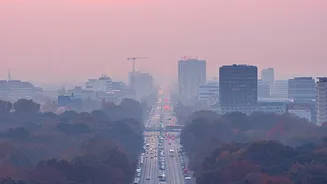







Understanding the 'Delhi Throat'
When you inhale polluted air, fine particulate matter (PM2.5) and toxic gases like nitrogen dioxide directly assault the delicate lining of your throat. These pollutants act like sandpaper, physically scratching the tissue, while also causing a chemical-burn-like
effect that strips away moisture. The result is a collection of symptoms often called the 'Delhi Throat': a persistent dry, scratchy, or burning sensation, a frequent urge to clear your throat, a dry cough, and discomfort when swallowing. Unlike a viral infection, this irritation is typically not accompanied by a fever or body aches, which is a key way to tell the difference.
Immediate Soothing and Home Remedies
For instant relief, simple home remedies can be very effective. Gargling with warm salt water (about half a teaspoon of salt in a glass of warm water) several times a day can reduce inflammation and soothe irritation. Staying well-hydrated by drinking plenty of warm fluids like water, clear soups, and herbal teas helps keep the throat moist. Many find comfort in traditional preparations like ginger or tulsi tea. Adding honey to warm water or tea can also coat and soothe the throat, but it should never be given to children under one year of age. Steam inhalation for five to ten minutes can also moisturize the airways, though you should be careful with hot water.
Minimising Your Outdoor Exposure
The most crucial step is to reduce the amount of polluted air you breathe. Always check the real-time Air Quality Index (AQI) before stepping out. On days when the AQI is 'very poor' or 'severe', it's best to stay indoors as much as possible. If you must go out, wear a well-fitted N95 or FFP2 mask, as simple cloth or surgical masks are not effective at filtering out PM2.5 particles. Try to plan any essential outdoor activities for the mid-afternoon, as pollution levels are often highest in the early morning and late evening when cool, stagnant air traps pollutants near the ground. Avoid strenuous outdoor exercise like running, as it increases the rate at which you inhale pollutants deep into your lungs.
Improving Your Indoor Air Sanctuary
Pollution doesn't always stay outside. Keep windows and doors closed during high-pollution hours to prevent smog from entering your home. Investing in a high_quality air purifier with a HEPA filter can significantly reduce the level of indoor particulate matter, especially in bedrooms and common areas. You should also avoid activities that can add to indoor pollution, such as smoking, burning incense or candles, and using aerosol sprays. Ventilate your home when the outdoor air quality improves. A cool_air humidifier can also help add moisture to the air overnight, soothing a dry throat.
Dietary Support for Respiratory Health
While no food can reverse the effects of pollution, a balanced diet can support your body's natural defences. Focus on a diet rich in antioxidants, which can be found in foods like berries, oranges, and leafy green vegetables. Avoid foods that can further irritate an inflamed throat, such as spicy, overly acidic, or very greasy and fried foods. Opt for soft, warm foods like porridge or soups if you are experiencing pain while swallowing. Continuing to drink plenty of fluids throughout the day remains one of the simplest and most effective ways to support your respiratory system.
When to Consult a Doctor
While home care can manage mild symptoms, it's important to know when to seek professional medical advice. If your throat irritation persists for more than a few days despite taking precautions, or if it worsens, consult a doctor. Be alert for red flag symptoms that suggest a more serious issue than simple irritation. These include a persistent cough lasting more than three weeks, wheezing, chest tightness, shortness of breath during routine activities, or developing a fever and body aches. If you experience severe difficulty breathing, chest pain, or confusion, seek emergency medical help immediately.