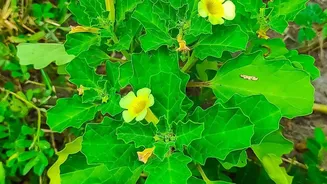






A Plant of Many Names
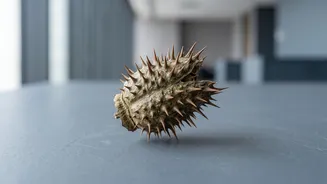
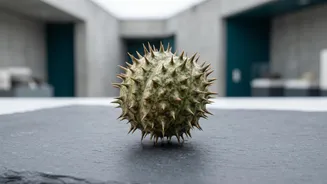
Datura is a genus of flowering plants known by many names: thornapple, jimsonweed, devil's trumpet, and, in India, dhatura. These plants are easily recognisable by their large, trumpet-shaped flowers—which can be white, yellow, or purple—and their spiky,
capsule-like fruit. Native to many parts of the world, Datura has a long and complex history in India, where it is naturalised and grows wild along roadsides and in open fields. It holds a significant place in culture and religion, most notably its association with Lord Shiva, and is often offered in temples during rituals. For centuries, it has also been used in traditional medicine like Ayurveda, but always with extreme caution.
The Poison in the Flower
Despite its cultural significance and beautiful appearance, every part of the Datura plant is extremely poisonous. It belongs to the nightshade family and contains potent tropane alkaloids, including atropine, scopolamine, and hyoscyamine. These chemicals act as anticholinergics, which means they block a key neurotransmitter in the nervous system. Ingesting even a small amount can trigger severe symptoms within 30 to 60 minutes. The classic signs of Datura poisoning are often remembered by a mnemonic: "Blind as a bat, mad as a hatter, red as a beet, hot as a hare, and dry as a bone." Symptoms include dilated pupils, confusion, agitation, hallucinations, delirium, a rapid heart rate, and high fever. In severe cases, poisoning can lead to seizures, coma, and even death.
A Crackdown in Karnataka
The issue came to a head when Karnataka's Food Safety and Drugs Administration Department took decisive action on August 24, 2026. The department suspended the food licences of major e-commerce and quick-commerce platforms, including Amazon, Swiggy Instamart, and BigBasket. The move came after an investigation revealed that Datura fruits and seeds were being listed and sold on these platforms for human consumption. Officials found packets of Datura, some even carrying FSSAI registration numbers, stored in warehouses and offered for online sale. The action was reportedly triggered by complaints, including one instance where a Datura fruit was allegedly sent as a freebie with an order, which was then consumed by a child.
Why The Licences Were Suspended
The government's response was rooted in the clear and present danger to public health. Officials stated that selling or distributing a poisonous plant like Datura as a food product is unlawful. The risk of consumers, unaware of its toxicity, accidentally ingesting it was deemed too high. The platforms were ordered to immediately remove all listings and advertisements for Datura intended for human consumption. Authorities found the platforms' initial responses to be unsatisfactory, prompting the blanket suspension until further notice. The regulatory action also extended to the suppliers and sellers who provided the Datura products to the e-commerce giants, with their licences also being suspended. This highlights a growing scrutiny on the responsibilities of online platforms to verify the safety of products sold under their food licences.