





The Sobering View from the IEA
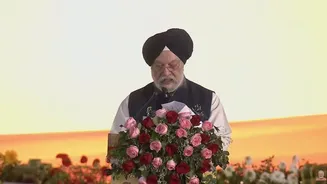
Speaking at Singapore International Energy Week, International Energy Agency (IEA) Executive Director Fatih Birol delivered a stark warning: energy markets are not expected to return to their pre-crisis stability in 2027. Despite some positive diplomatic
developments, Birol stated, 'I am afraid I don't see any credible pathway that the markets will go next year, where we were before this war has started'. The crisis, triggered by military conflict in the Middle East that began in late February 2026, has severely disrupted global energy flows, tightening supplies and sending oil prices towards $120 a barrel. This has shattered earlier expectations for an energy market surplus, leaving a prolonged period of uncertainty. Birol urged governments and businesses to prioritize energy security above all else.
Why Diplomacy Isn't a Quick Fix
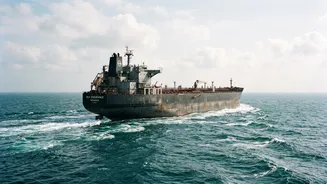
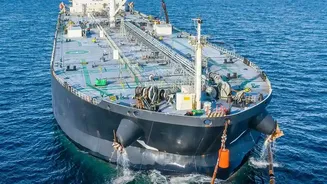
While diplomatic breakthroughs, such as India successfully negotiating passage for its energy tankers through the blocked Strait of Hormuz, are significant, they don't instantly solve the underlying structural problems. The recent conflict has damaged critical infrastructure, including refineries in the Middle East. This directly impacts the production of refined products like diesel, creating shortages that diplomatic agreements can't immediately erase. Furthermore, the crisis has eroded trust, which Birol calls the 'scarcest commodity in the energy markets today'. Countries are now forced to rethink their entire supply chain, a process that involves building new relationships and infrastructure, which takes years, not weeks. The disruption to LNG exports from key suppliers like Qatar and the UAE further complicates the picture, particularly for a gas-starved Europe.
The Deeper Problem of Underinvestment
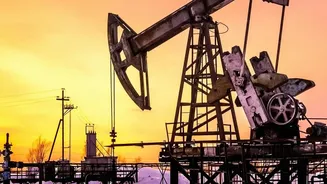
The current crisis exposes a problem that has been years in the making: chronic underinvestment in fossil fuel supply. According to IEA reports, total spending on fossil fuel supply is only expected to return to 2024 levels this year, after a decline in 2025. While investment in natural gas is growing, spending on oil has been described as 'subdued'. This long-term trend means there is less spare capacity in the global system to absorb shocks. When a major supply route like the Strait of Hormuz is disrupted, there are fewer alternative sources ready to ramp up production quickly. This lack of a buffer makes the entire system more brittle and prone to extreme price volatility, a reality that will persist long after the current conflicts de-escalate.
The Impact on India's Economy
For India, a nation that imports nearly 88% of its crude oil, these global dynamics have severe consequences. The government has taken extraordinary measures to shield consumers from the full impact of a 65% spike in crude prices, limiting the pass-through to a 7-10% increase at the pump by cutting excise duties. However, this comes at a significant fiscal cost and strain on oil marketing companies, which are reporting huge losses on fuels like LPG. The crisis has led to factory closures, threats to the agricultural sector due to fertilizer shortages, and a potential drag on GDP growth. While India has rapidly diversified its crude import sources to reduce reliance on the Strait of Hormuz, the exposure to high global prices and supply volatility remains a critical economic vulnerability.
A Push Towards a New Energy Era
The one silver lining, according to Birol, is that the crisis is accelerating the 'Age of Electricity'. Faced with the unreliability and high cost of imported fossil fuels, nations are renewing their focus on domestic energy sources. This has led to what Birol calls a 'strong comeback' for nuclear power, with the highest level of new construction in four decades underway globally. The IEA is also championing a major push for electrification, aiming to increase electricity's share of global energy use significantly by 2035. For countries like India, this underscores the strategic imperative of accelerating the shift to electric mobility and boosting renewable generation, not just for environmental reasons, but as a cornerstone of national security.