







The Great Non-Metro Migration
For years, the blueprint for premium coffee chains in India was simple: target the high-disposable-income consumers in Tier 1 cities like Mumbai, Delhi, and Bengaluru. But as these prime markets become saturated and competition intensifies, brands are
looking for new avenues of growth. The answer lies in India's Tier 2 and Tier 3 cities—places like Ludhiana, Lucknow, Indore, and Pune. These cities are home to a burgeoning middle class, a young, aspirational population, and increasing disposable incomes. This demographic is eager for the same lifestyle experiences previously reserved for metro residents, creating a fertile ground for brands willing to venture beyond the traditional urban hubs. The push from saturated metros and the pull from these high-potential markets is fueling a major strategic shift in India’s booming café industry.
The 'Affordable Premium' Playbook
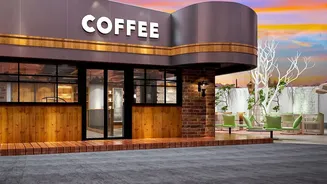
Simply transplanting a large, high-rent Mumbai flagship store to a smaller city isn't a winning formula. The price sensitivity and consumer habits are different, forcing chains to innovate. The emerging strategy is a delicate balance of maintaining brand aspiration while making the experience more accessible. One key adaptation is the move towards smaller, more efficient store formats. These 'lean stores', drive-thrus, and kiosk models have lower operational costs, which can translate into more competitive pricing. Menu localization is another crucial tactic. While the core coffee offerings remain, chains are introducing items tailored to local tastes and price points. For example, Tata Starbucks has focused on a 'beverage-led' strategy with smaller cup sizes to make entry-level prices more attractive, while Tim Hortons has added items like the Malabari Ghee Roast Paneer Pocket to its menu.
Starbucks and Tim Hortons Lead the Charge
Global giants are at the forefront of this expansion. Tata Starbucks, which operates over 390 stores, has announced an ambitious plan to reach 1,000 outlets by 2028, with a significant focus on penetrating Tier 2 and 3 cities. This aggressive expansion will see the company opening nearly one new store every three days. They are consciously moving away from large-footprint sites to smaller, more agile formats to make the economics work in new markets like Ludhiana and Siliguri. Similarly, Canadian chain Tim Hortons, which entered India in 2022, has rapidly expanded beyond the NCR to cities like Chandigarh, Ludhiana, Pune, and Hyderabad. It initially targeted opening around 120 stores in its first three years, signaling strong confidence in the non-metro consumer base. These expansions are not just about adding stores, but about cultivating a new coffee culture in a nation traditionally dominated by tea.
The Impact on Local Cafes
The arrival of international giants presents both a challenge and an opportunity for the thousands of independent local cafes that form the heart of India's coffee scene. On one hand, the competition is fierce. Global brands come with massive marketing budgets, strong supply chains, and powerful brand recognition that can be difficult to compete against. However, this influx also raises the overall profile of coffee consumption in the city, potentially growing the entire market. To survive and thrive, local cafes are often forced to specialize. Many are doubling down on unique strengths: offering artisanal, locally-sourced beans, creating a distinct community vibe that larger chains can't replicate, or catering to niche tastes. The increased competition ultimately provides consumers with more choice, better quality, and a more vibrant cafe culture, but it also creates pressure for local businesses to innovate or risk being overshadowed.