








The New Era of 'Megafires'
Spain is confronting a new and terrifying phenomenon: "sixth-generation fires" or "megafires". These are not just large fires; they are blazes so intense and powerful that they create their own weather systems. They can generate pyrocumulus clouds—fiery
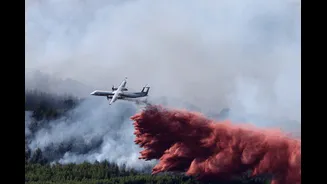
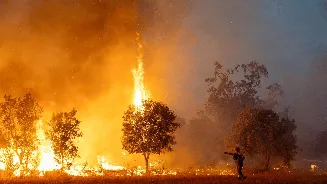
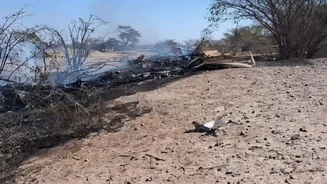
thunderstorms—that produce erratic, high-speed winds and launch embers kilometers away, starting new fires far from the original front. This makes them almost impossible to predict or fight with traditional methods. Firefighting services, no matter how well-equipped, find themselves completely overwhelmed, unable to do much more than focus on evacuations and wait for a change in weather or for the fire to run out of fuel. The summer of 2026 has been particularly devastating, with fires scorching vast areas in central Spain, including near Ávila, Madrid, and Toledo, forcing tens of thousands to evacuate.
A Tinderbox Trio: Heat, Drought, and Fuel
The immediate catalyst for these fires is a perfect storm of environmental conditions. Spain, like much of Southern Europe, is on the front line of climate change and has experienced its hottest and driest summer start on record in 2026. An unusually wet winter led to lush vegetation growth, which then became highly flammable after months of severe drought and successive heatwaves. Scientists have calculated that human-caused climate change has made the extreme fire weather conditions seen in Spain at least 20 times more likely. This combination of record heat, prolonged dryness, and abundant dead vegetation creates a tinderbox landscape where any ignition—whether from lightning, accident, or arson—can explode into a catastrophe.
The Hidden Accelerant: 'Empty Spain'
However, climate change is only half the story. A profound social shift is acting as a powerful accelerant: rural depopulation. For decades, millions of people have left Spain's interior for cities, leaving behind what is now known as "España Vaciada" or "Empty Spain." More than half of the country's municipalities have fewer than 1,000 residents. As people leave, so do the traditional land management practices that once kept the landscape in check. The decline of farming and livestock grazing, particularly from sheep and goats, means that forests and former pastures are no longer cleared of undergrowth. This abandonment allows flammable biomass—scrub, dry grass, and dead wood—to accumulate year after year, creating a continuous carpet of fuel.
From Mosaics to Monocultures
The historic rural landscape was a mosaic of cultivated fields, grazed pastures, and managed woodlands. This patchwork acted as a natural series of firebreaks, slowing or stopping the spread of wildfires. With rural abandonment, this mosaic has been replaced by vast, uninterrupted expanses of unmanaged forest and scrubland. These homogenous landscapes allow fires to travel faster and further than ever before. What were once small, manageable fires that cleared out underbrush are now escalating into unstoppable megafires because there are no natural or man-made barriers to slow them down. The very structure of the landscape has changed, transforming it from resilient to dangerously flammable.
A Call for a New Approach
Experts and officials agree that simply pouring more resources into firefighting is not a sustainable solution against sixth-generation fires. The focus is shifting towards year-round prevention and, crucially, landscape management. This includes reviving traditional practices like controlled grazing to clear undergrowth, creating strategic firebreaks, and promoting a more diverse, resilient rural economy that encourages people to live and work on the land once more. The Spanish government is now grappling with this dual crisis of climate change and depopulation, looking at measures that range from declaring disaster zones to offering new aid for rural communities. The challenge is immense, as it requires rethinking the relationship between people and the land in an era of climatic extremes.