





A UN Warning on the Cost of Delay
A recent report by the UN Environment Programme (UNEP) and the Climate and Clean Air Coalition (CCAC) delivered a critical message for Delhi: delaying clean air initiatives has severe health and economic consequences. The report, titled 'Hidden Assets:
The Economic and Health Case for Climate and Clean Air Action', projects that if Delhi meets national air quality standards on schedule from 2026, it could cut the PM2.5 exposure burden by 20% by 2040. However, a delay of about eight years—which is the expected global average for implementation—would slash that reduction in half to just 10%, leading to significantly worse health impacts. The report identifies institutional barriers as the biggest cause of such delays globally. For Delhi, this isn't just a future problem; it's a present-day crisis with measurable costs in lives and economic output.
The Latest Air Quality Situation
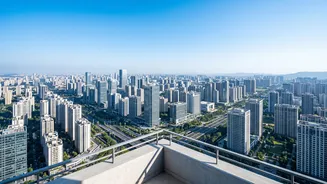
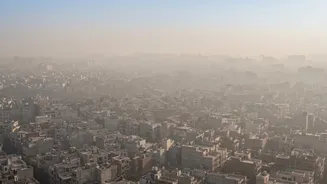
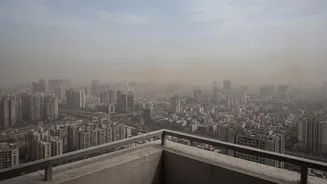
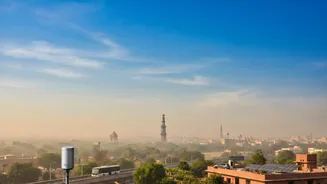
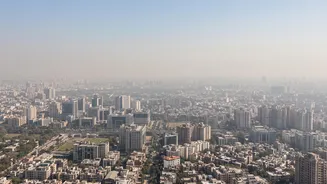
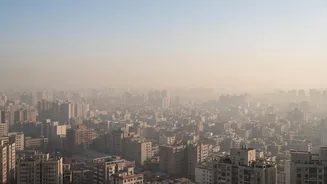
As of early September 2026, Delhi's air quality has been fluctuating. Recent light rains brought temporary relief, with the Air Quality Index (AQI) dipping into the 'satisfactory' category at 55 on one occasion, the second-best reading of the year. However, as the monsoon recedes, the situation remains precarious. On September 9, the AQI was recorded at 113, falling into the 'moderate' category. This is a familiar pattern before the winter inversion sets in, trapping pollutants close to the ground. During the 2025-26 winter, Delhi saw its air enter the most polluted bracket, forcing authorities to invoke Stage IV of the Graded Response Action Plan (GRAP). The government's own data from 2025 showed that even in a 'good' year, annual PM2.5 levels were more than double the national standard.
Delhi's New Winter Action Plan
In response to recurring winter pollution crises, the Delhi government has notified a permanent Winter Action Plan that will be in effect from November 1 to February 28 annually. This proactive framework replaces previous ad-hoc measures. Key mandates include a strict 'No PUC, No Fuel' rule, where vehicles without a valid Pollution Under Control Certificate will be denied fuel, with compliance checked digitally. From November 1 to January 31, many government and private offices must operate with only 50% physical staff to reduce traffic. Furthermore, non-BS VI goods vehicles registered outside Delhi will be banned from entering the city during this period. A near-total ban on construction and demolition will also be enforced during the peak pollution window from December 10 to January 20.
The Escalating Health Crisis
The health impacts of Delhi's air are profound and go far beyond respiratory issues. Studies have directly linked rising pollution levels to an increase in cardiovascular emergencies. One study found that for every 10-point jump in the PM2.5 level, hospital admissions for heart-related events rose by 2%. Long-term exposure is associated with an increased risk of hypertension, chronic headaches, and skin irritation. Emerging research also points to more insidious damage, including accelerated brain ageing and a higher risk of dementia, as microscopic pollutants can enter the bloodstream and cause inflammation in the brain. Experts are also reporting a surge in pollution-linked impacts on fertility, hair loss, and even bone health, painting a grim picture of a multi-system health crisis.
Focus on Pollution Hotspots
Ahead of the 2026 winter season, authorities are intensifying efforts at 47 identified pollution hotspots across the capital. In a recent high-level meeting, the Delhi Lieutenant Governor and Chief Minister directed officials to deploy senior officers to oversee mitigation efforts in these specific areas. Cross-functional teams will focus on the primary sources of pollution in these hotspots, including road dust, traffic congestion, and industrial emissions. This targeted approach aims to tackle pollution at its source, supplementing the broader city-wide measures under the Winter Action Plan and GRAP. The success of this strategy will depend on rigorous enforcement and coordination between multiple agencies on the ground.