


The Colonial Charm of Tea Bungalows
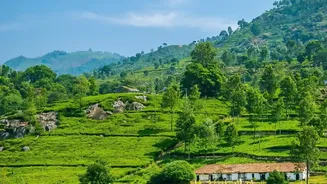
Imagine waking up surrounded by acres of lush tea bushes, the air fragrant with the scent of fresh leaves. Several of Assam’s historic tea estates have converted their colonial-era bungalows into luxurious heritage stays. These sprawling properties, with their high
ceilings, antique furniture, and wide verandahs, offer a glimpse into the life of a British-era tea planter. Stays like the Wild Mahseer in Balipara, once part of the Addabarie Tea Estate, combine old-world grandeur with modern comforts. Located near Nameri National Park, it serves as a perfect base for exploring the region's rich biodiversity. Similarly, bungalows near Dibru-Saikhowa National Park, such as the Wathai Heritage Bungalow, place you in a birder's paradise right on the banks of the Dibru River. These stays offer more than just accommodation; they are an experience steeped in history, offering tea tours, and farm-to-table meals in a serene setting.
Immersive and Sustainable Eco-Lodges
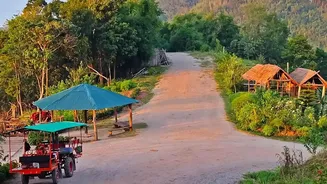
For the traveller keen on sustainability and a deeper connection with nature, Assam’s eco-lodges are the perfect fit. These properties are designed to blend seamlessly with their surroundings, offering a rustic yet comfortable experience. Near Kaziranga, the Diphlu River Lodge and Infinity Resorts are renowned for their eco-friendly practices and stilt-based architecture that mimics traditional Assamese 'chang ghars'. This design minimizes environmental impact and offers an authentic feel. Further afield, near Nameri National Park, eco-camps like Lalimou Camps and the Nameri Baligara Eco Camp provide accommodation in charming thatched-roof cottages. These camps often facilitate unique activities like jungle walks and gentle river rafting on the Jia Bhoroli river, offering a different perspective on wildlife and bird watching away from the crowds. They prove that you can be close to nature without compromising on a memorable and comfortable stay.
The Heart of Culture: Community Homestays
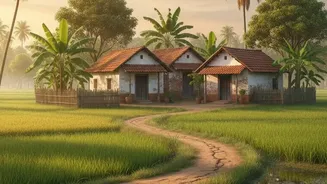
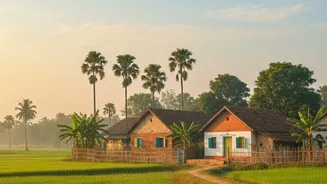
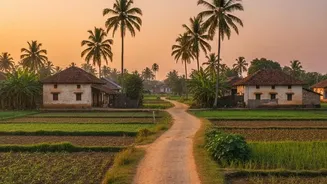
To truly understand the soul of Assam, step into the lives of its local communities. Homestays run by local families, especially around Manas National Park, offer an unparalleled cultural immersion. Initiatives supported by organizations and the tourism department are helping villages in the Bodoland Territorial Region develop homestay facilities, providing an alternative livelihood that is directly linked to conservation. Guests at places like Manas Ray Homestay can enjoy home-cooked ethnic meals, learn about local customs, and hear stories from the people who coexist with the region's wildlife. These stays are often simple but provide a rich, authentic experience, allowing travellers to contribute directly to the local economy. It’s an opportunity to see the forests through the eyes of those who call its fringes home, making for a deeply rewarding journey.
Planning Your Alternative Assam Adventure
The best time to visit Assam for wildlife is generally from November to April. During these months, the weather is pleasant and dry, parks are open after the monsoons, and wildlife sightings are more frequent. November to February is particularly ideal for comfortable weather and excellent birdwatching opportunities. When booking your stay, consider what kind of experience you want. If history and luxury are priorities, a tea bungalow near Jorhat or Tinsukia is a great choice. If your focus is on sustainable, nature-first experiences, an eco-lodge near Nameri or Kaziranga will be perfect. And for a truly unique cultural connection, a community-run homestay near Manas is an experience you won’t forget. It’s advisable to book both accommodation and safaris well in advance, especially during the peak season, to ensure availability.