




The Lure of the Specialist Shelf
Walk through any gourmet food store or scroll through social media, and you'll be tempted by an array of specialist products. Think truffle-infused everything, black garlic, exotic finishing salts, and single-origin spices that cost more than a week's
worth of vegetables. They promise a shortcut to culinary greatness, a single ingredient that can elevate a simple dish into something spectacular. The appeal is understandable. These items feel aspirational, like owning a little piece of a professional kitchen. They're photogenic, trendy, and often endorsed by celebrity chefs. But how often do you reach for that bottle of saffron-infused vinegar after the initial excitement wears off? More often than not, these specialist products end up languishing at the back of a cupboard, used once or twice before being forgotten until they expire.
The Real Powerhouse: Your Pantry
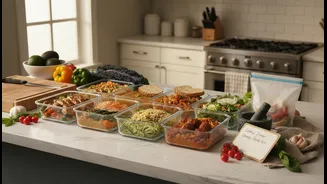
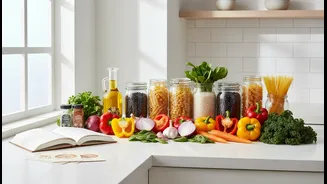
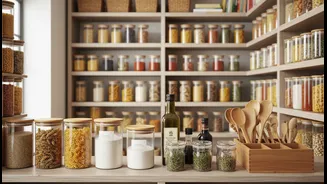
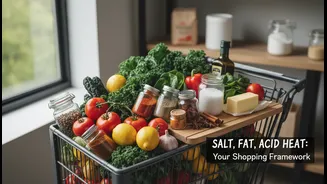
In contrast, a well-stocked pantry is a quiet engine of creativity and practicality. It's not about fleeting trends; it's about a solid foundation. Having the right basics on hand means you are always just minutes away from a satisfying meal. This saves you from last-minute trips to the store, reduces reliance on expensive and often less healthy takeaway meals, and builds genuine confidence in the kitchen. A good pantry allows you to cook with flexibility, substituting ingredients and experimenting with combinations. This approach not only saves money by helping you use what you have and buy in bulk, but it also significantly cuts down on food waste, as you're more likely to use up ingredients before they spoil.
The Bedrock: Grains and Lentils
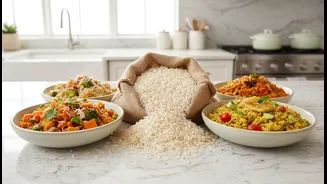
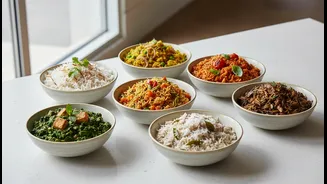
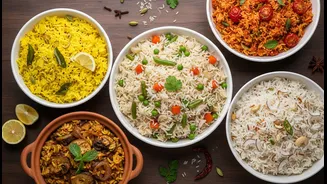
The foundation of any great Indian pantry begins with grains and dals. A variety of rice (like basmati for pulao and a sturdy sona masuri for daily meals), whole wheat atta for rotis, and perhaps semolina (suji) and gram flour (besan) covers most of your carbohydrate needs. Then come the lentils and legumes. Toor, masoor, and moong dal are non-negotiable for everyday dal, while chana (chickpeas) and rajma (kidney beans) are perfect for heartier weekend curries. These items are inexpensive, nutritious, and incredibly versatile. With this base, a wholesome meal is never far out of reach.
The Soul of the Meal: Spices and Aromatics
If grains are the bedrock, spices are the soul. This is where the magic happens. Forget the pre-mixed, generic curry powders. A core collection of whole and ground spices provides infinite flavour possibilities. Turmeric (haldi), red chilli powder, coriander (dhania), and cumin (jeera) are the four pillars. Beyond that, whole spices like cinnamon, cloves, cardamom, mustard seeds, and fenugreek seeds are essential for creating complex tadkas and masalas. Alongside these, the aromatic trio of onions, garlic, and ginger forms the flavour base for countless Indian dishes. Keeping a steady supply of these ensures your cooking is always vibrant and fragrant, without needing a special, single-use spice blend.
The Essential Supporting Cast
Finally, every pantry needs its supporting players. These are the fats, acids, and preserved goods that round out a dish. A neutral cooking oil like groundnut or sunflower oil is a must, as is a good quality ghee for its flavour and high smoke point. For acidity, tamarind paste and a basic white vinegar are indispensable. Canned tomatoes or a ready supply of fresh ones, along with coconut milk, can instantly form the base of a gravy. A small jar of jaggery or sugar for balancing flavours, and of course, salt, complete the picture. These are the items that bring everything together, turning a collection of ingredients into a coherent, delicious meal.
From Pantry to Plate: Endless Creativity
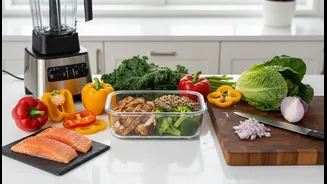
The beauty of this system is its limitless potential. That jar of black garlic can flavour one specific type of pasta sauce. But a pantry with lentils, onions, garlic, tomatoes, and a few core spices can become dal fry, sambar, a lentil soup, or the filling for a paratha. True culinary skill isn't about owning the most exclusive ingredients; it's about understanding how to combine the basics in new and exciting ways. By 'shopping your pantry' first, you challenge yourself to be more creative, resourceful, and ultimately, a more intuitive cook. You learn what flavours work together, how to build a dish from scratch, and gain a satisfaction that no specialist product can provide.