








Defining the Demand
Before comparing these two popular activities, it is crucial to understand what 'cardiovascular demand' means. In simple terms, it refers to how hard your heart and lungs have to work to supply oxygen-rich blood to your muscles during exercise. This is often
measured by your heart rate and oxygen consumption (VO2 max). Activities with high cardiovascular demand, like running, are excellent for improving your aerobic fitness, which is a cornerstone of heart health.
Running: The Cardio King
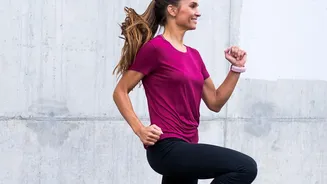
Running is a high-impact, high-intensity exercise that consistently elevates your heart rate into a moderate-to-vigorous zone. This sustained effort forces your heart to pump more efficiently and strengthens your entire cardiovascular system over time. Whether you are jogging through a park or sprinting on a treadmill, the primary benefit is aerobic conditioning. This is why running is often recommended for those looking to improve endurance, burn a significant number of calories, and boost their overall heart health. The continuous, rhythmic motion engages large muscle groups, demanding a constant supply of oxygen and making it a quintessential cardio workout.
Pilates: A Different Kind of Strength
Pilates, in contrast, is typically a low-impact workout focused on core strength, muscular control, flexibility, and posture. While some forms of Pilates, such as fast-paced reformer or jumpboard classes, can certainly increase your heart rate, its primary goal isn't sustained aerobic activity. A 2023 study found that the cardiopulmonary responses during a Pilates session were comparable to walking at a slow pace of about 3.2 kph, though heart rate could be similar to walking at a moderate 4.8 kph pace. Generally, experts agree that most Pilates classes do not keep your heart rate elevated enough for a long enough duration to be considered a traditional cardio workout. Its main purpose lies in creating stability, balance, and efficient movement patterns.
What Does the Science Show?
While running clearly wins on cardiovascular demand, research shows Pilates is not without its cardiorespiratory benefits. A 2019 meta-analysis published in the Journal of Clinical Medicine found that consistent Pilates practice does lead to moderate improvements in VO2 max, a key indicator of aerobic capacity. These gains are attributed to more efficient breathing mechanics and improved core stability, which helps the body move with less effort. However, a separate study directly comparing aerobic training (walking) with Pilates found the heart rate during the walking sessions was significantly higher. The verdict is clear: for significant and rapid improvements in cardiovascular fitness, running is the more direct route. Pilates can contribute, but it is not a substitute.
A Perfect Partnership for Performance
Instead of viewing it as a competition, the smartest approach is to see running and Pilates as a perfect partnership. The strength, stability, and flexibility gained from Pilates can directly translate to better running performance and, crucially, injury prevention. Many common running injuries, like IT band syndrome or runner's knee, stem from muscle imbalances and a weak core. Pilates specifically targets these areas, building a strong and stable foundation that supports your body through the high-impact stress of running. By improving core strength, runners can maintain better form, especially when fatigue sets in, leading to improved running economy—meaning you use less energy to run at the same pace.
Building a Balanced Routine
For a truly well-rounded fitness plan, incorporating both disciplines is ideal. You might dedicate two to three days a week to running for your cardiovascular health and endurance. On alternate days, one or two Pilates sessions can work on building the foundational strength and flexibility your body needs to support those runs and protect your joints. This combination ensures you are not just building a strong heart but also a resilient, balanced, and efficient body. Pilates helps you run better and safer, while running provides the intense cardio that Pilates generally lacks. It is a synergistic relationship where each activity enhances the benefits of the other.