


Understanding the Current Price Volatility
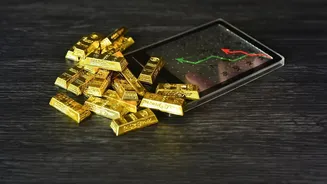
As of mid-November 2026, both gold and silver prices have seen significant fluctuations. On November 18, 2026, prices for precious metals saw a steep drop, tracking weakness in global markets. For instance, 24-carat gold was trading around ₹1,33,800 per
10 grams at some major jewellers, a noticeable decline. This volatility is largely driven by international factors, such as a strengthening US dollar and expectations of interest rate hikes by the US Federal Reserve. When interest rates rise, non-yielding assets like gold become less attractive to investors, putting downward pressure on prices. These global trends, combined with domestic factors like import duties and local demand, create a complex and often unpredictable market for Indian shoppers.
Beyond the Price Tag: Smart Buying Strategies
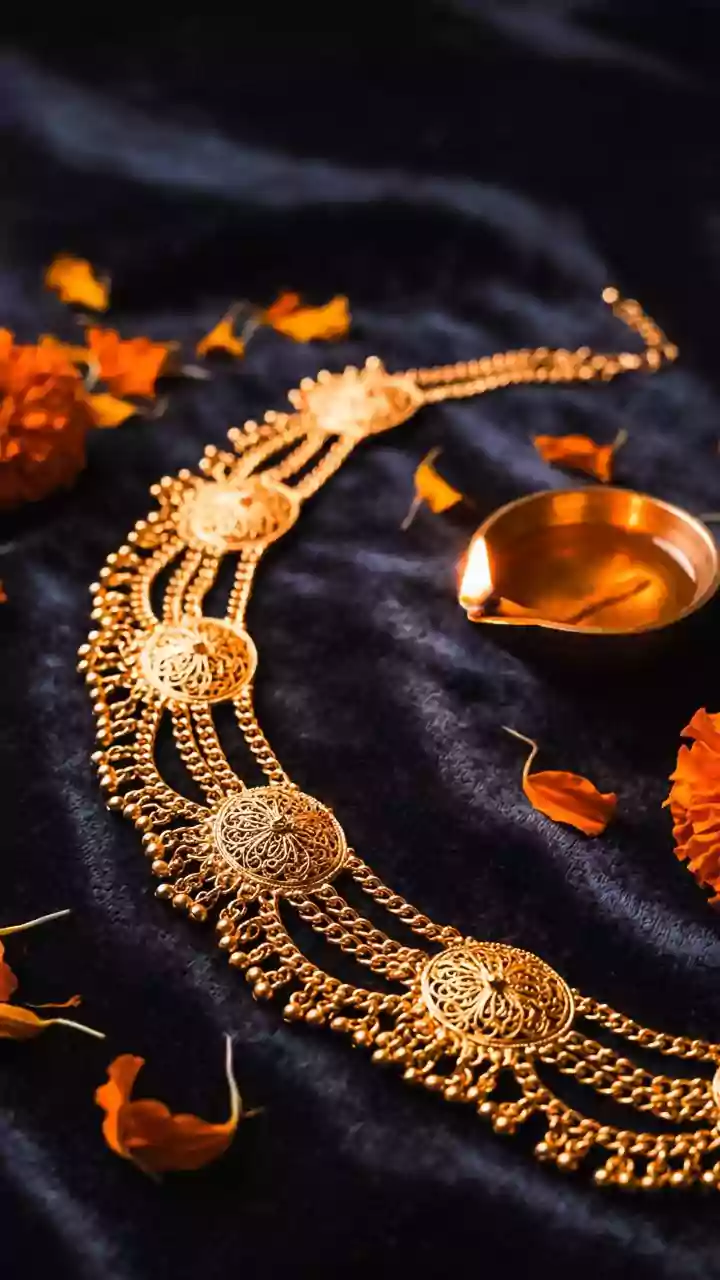
While the daily rate is important, the final cost of jewellery involves much more. Two key elements to understand are purity and making charges. For wedding jewellery, 22-karat (or '916') gold is the most popular choice as it offers a balance of high purity and durability. It is crucial to only buy jewellery that is BIS hallmarked. This government-mandated certification guarantees the purity of the gold. A modern hallmark includes the BIS logo, the purity grade (e.g., 916 for 22K), and a six-digit alphanumeric Hallmark Unique Identification (HUID) number, which you can verify using the BIS Care app.
The Art of Negotiating Making Charges
Making charges, or the cost of craftsmanship, can range from 8% to over 25% of the gold's value and are a significant part of the final bill. Unlike the gold rate, these charges are often negotiable. It is always better to ask for making charges as a fixed rate per gram rather than a percentage, as this provides a clearer basis for comparison between jewellers. Machine-made jewellery typically has lower making charges than intricate, handmade pieces. Don't hesitate to negotiate, especially when making a large purchase for a wedding. Getting quotes from multiple trusted jewellers can give you leverage and ensure you're getting a fair price.
Gold, Silver, and Everything in Between
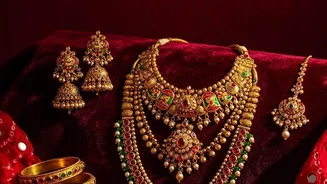
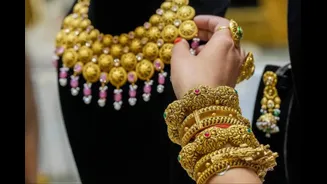
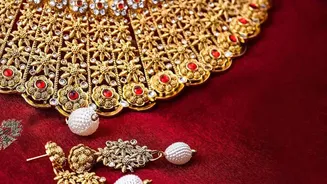
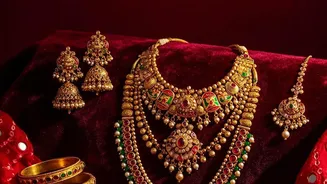
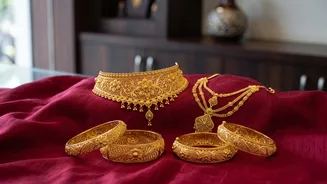
Gold is traditionally central to an Indian bride's trousseau, seen as a symbol of prosperity and financial security. However, with prices being a concern, silver is also a popular choice for gifts and certain ceremonial items. When planning your budget, it's wise to categorise your jewellery needs: essential pieces for the ceremony, complementary items like bangles and rings, and versatile pieces for future use. This helps in allocating funds effectively. Also, remember to get a proper invoice that clearly lists the gold weight, purity, making charges, and GST separately. This transparency is the hallmark of a trusted jeweller.
Considering Modern Investment Avenues
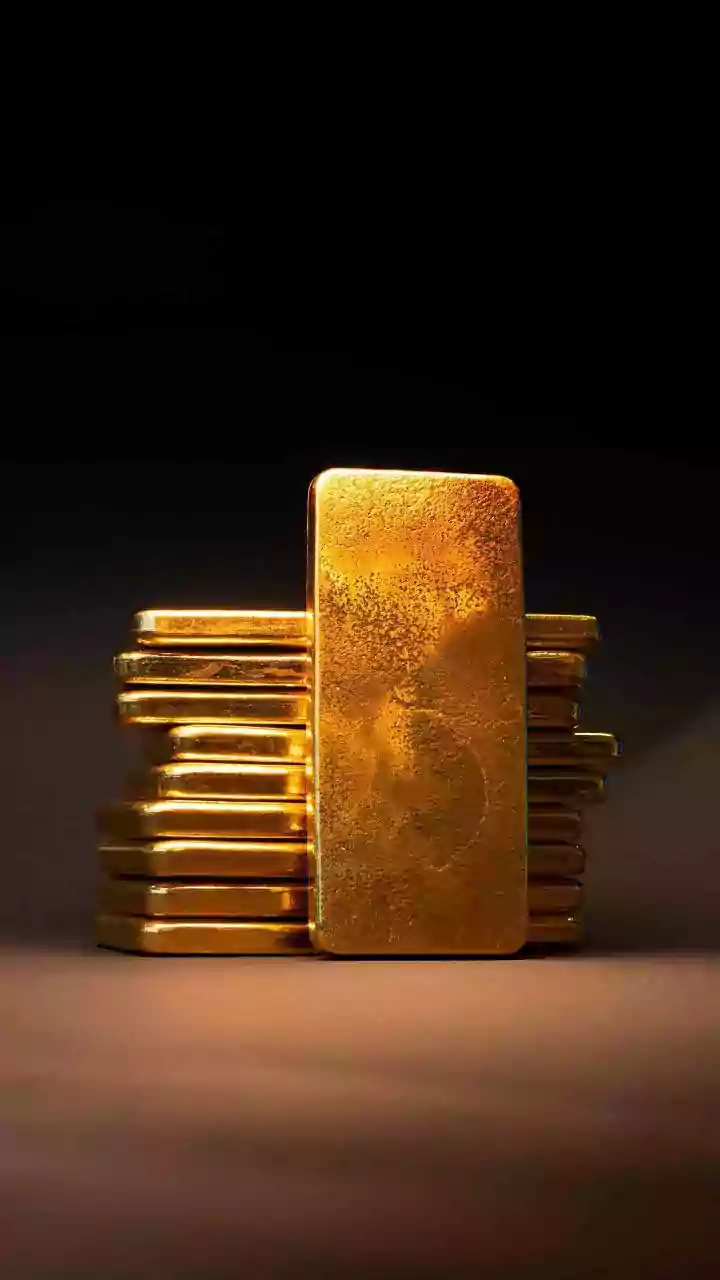
While physical jewellery is essential for weddings, families are also looking at other ways to invest in gold. For long-term savings, alternatives like Sovereign Gold Bonds (SGBs), Gold Exchange Traded Funds (ETFs), and digital gold offer a way to invest without incurring making charges or facing storage issues. These can be a practical way to build a gold portfolio over time, which can later be redeemed for physical purchases or held as an investment. This allows you to accumulate gold for a future wedding systematically, taking advantage of price dips without the immediate pressure of choosing designs.