




Defining the New Safari
The Ladakh administration is launching what is being called India's first high-altitude wildlife safari. This is not an invitation for tourists to engage in recreational off-roading. Instead, it is a structured eco-tourism program designed to showcase
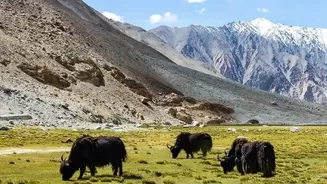
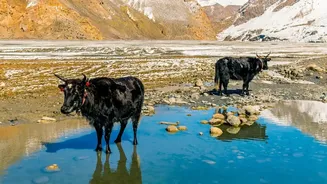
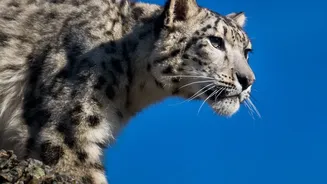
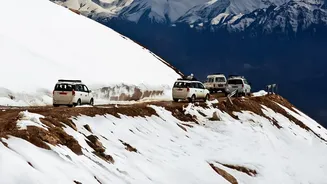
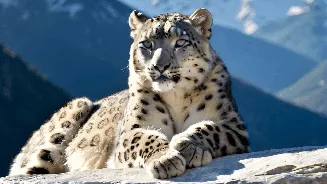
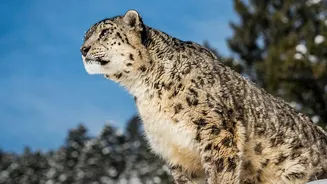
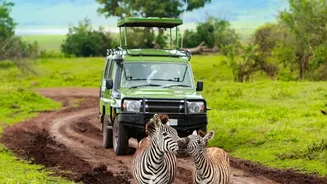
the region's incredible biodiversity, including the elusive snow leopard. The plan involves guided jeep safaris on designated trails, particularly through areas known for wildlife, such as Hemis National Park and the Changthang and Karakoram wildlife sanctuaries. The model is based on successful safaris in places like Ranthambore and Kaziranga, using specially designed open-back vehicles. These will be operated by trained local drivers and guides, ensuring that visitors get a rich, informative experience while minimizing their environmental footprint.
Curbing a Damaging Trend
A primary goal of this new safari is to curb the growing problem of illegal and unregulated off-roading. In recent years, an increase in tourists driving their vehicles across fragile mountain slopes, riverbeds, and alpine meadows has caused significant, often irreversible, damage to the ecosystem. These actions disrupt wildlife, harm delicate vegetation, and contribute to soil erosion in a landscape that takes centuries to recover. The Ladakh administration has taken a firm stance, recently imposing heavy fines on tourists caught driving in ecologically sensitive areas like the shores of Pangong Lake. The new safari provides a controlled alternative, allowing adventure without destruction. By channeling tourist vehicles onto fixed tracks, authorities hope to protect the very beauty that draws people to Ladakh in the first place.
The Environmental Stakes
Ladakh's high-altitude desert is an extremely fragile environment. The surge in tourism, while economically beneficial, has placed immense strain on its limited resources. Issues like water scarcity, improper waste management, and pollution from vehicles have become serious concerns. Unregulated tourism has led to mountains of plastic bottles and other waste in pristine areas, with an estimated 50,000 plastic bottles used daily in Leh during peak season. Reckless driving not only damages the land but also disturbs rare wildlife, including the Tibetan Gazelle and the snow leopard, of which Ladakh has the country's largest population. The structured safari is part of a broader push for sustainable tourism that respects the region's ecological limits and cultural heritage.
A Community-Led Model
This initiative is more than just a set of rules; it's a new governance model for conservation. The newly formed Snow Leopard and High-Altitude Nature (SHAN) Conservation Society is tasked with creating a roadmap where local communities are active partners. The plan is for the economic benefits of tourism to flow directly to the people who live there. This includes training and employing local youth as wildlife guides and safari drivers. Twenty young people will be trained in birdwatching and spotting skills, complete with equipment, to lead tours. The initiative also involves setting up waste management systems in villages, promoting plastic-free campaigns, and establishing wildlife clubs in schools to foster a new generation of conservationists. By making communities stakeholders, the administration aims to build a sustainable future for both Ladakh's people and its unparalleled natural environment.