





The Annual Tax Scramble in India
For most salaried individuals in India, July 31 is a date circled in red on the calendar. It's the primary deadline for filing their Income Tax Return (ITR), a comprehensive statement of their earnings and the taxes owed for the financial year. India employs
a progressive tax system, meaning the more you earn, the higher the percentage of tax you pay. The income slabs are divided into multiple brackets, with rates climbing from 5% to 30% under the new tax regime, ensuring that higher earners contribute more to the nation's coffers. This system is the engine that funds public services, from infrastructure and defence to healthcare and education, for a nation of over 1.4 billion people. While necessary, the process can feel complex, leading to a frantic rush as the deadline approaches.
The Monaco Dream: No Income Tax?
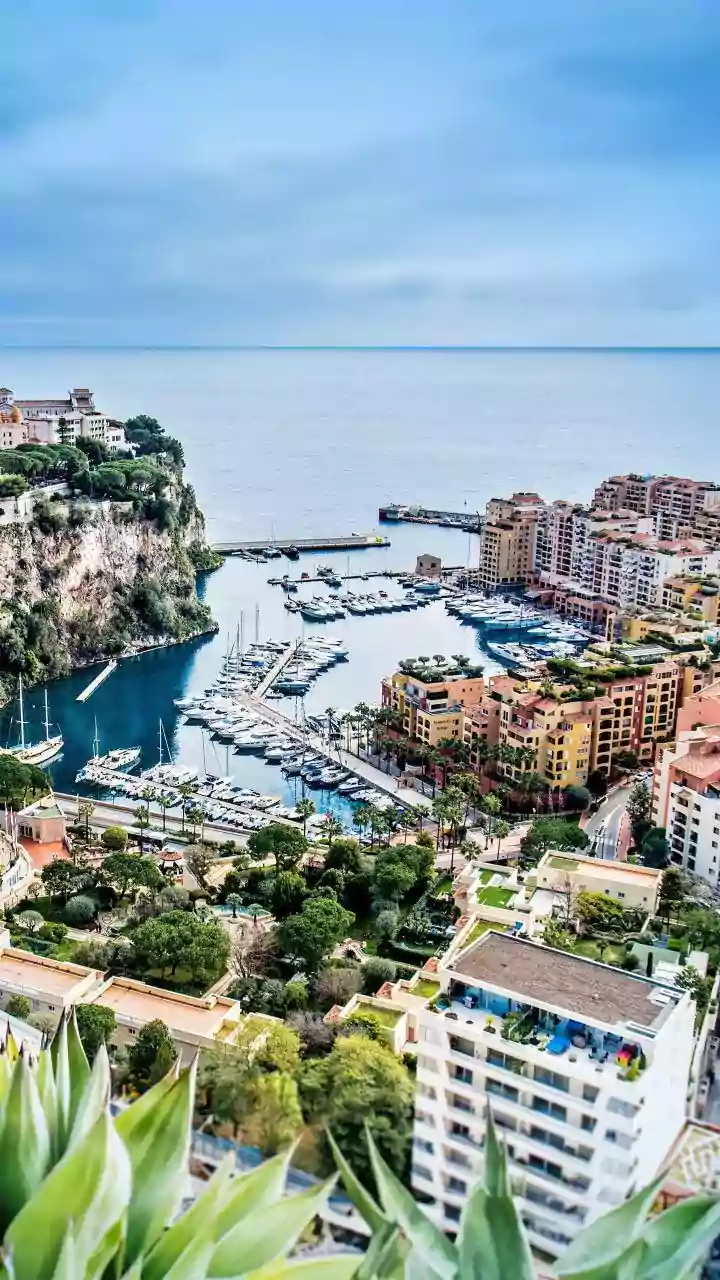
Now, imagine a country where the government doesn't ask for a single rupee of your personal income. Welcome to the Principality of Monaco, a tiny, glamorous city-state on the French Riviera famous for its casinos, Grand Prix, and, most notably, its tax policies. For its residents (with the exception of French nationals), Monaco levies no personal income tax, no capital gains tax on investments, and no wealth tax. This principle was established way back in 1869 to attract wealthy foreigners to the principality, and it has worked spectacularly. On paper, it sounds like an absolute paradise for anyone who has ever groaned at the sight of their tax bill. It's a system where your salary and investment profits are entirely your own. But this dream comes with a very high price of admission.
The Catch: What It Costs to Live the Dream
Before you pack your bags for the Mediterranean, it's crucial to understand what it takes to become a resident of Monaco. The principality is not looking for just anyone. To be eligible for residency, you must prove you have a place to live, which means either buying property in one of the most expensive real estate markets on earth or securing a rental lease. Secondly, you must prove you are financially self-sufficient. This involves opening a Monaco bank account and depositing a minimum of €500,000 (over ₹4.5 crore). Finally, you need a clean criminal record. These stringent requirements ensure that Monaco's population remains overwhelmingly composed of high-net-worth individuals. The cost of living is astronomical; comparisons show that living in Monaco can be over 20 times more expensive than in India, with rent being a primary driver of this disparity.
A Tale of Two Systems: Beyond the Headline
While the 'zero income tax' headline is true, Monaco's government still needs revenue. It collects money through other means. The standard Value Added Tax (VAT) is a hefty 20%, similar to France's and higher than India's GST slabs on most goods and services. There's also a significant tax on corporate profits for companies that do most of their business outside Monaco. Furthermore, while inheritance tax is 0% for direct descendants and spouses, it can go up to 16% for unrelated persons on assets located within Monaco. India's system, by contrast, is built on direct taxation as a key pillar. The taxes you pay directly fund the machinery of the state. While Monaco can afford its unique model due to its small size and wealthy population, a similar system would be impossible for a large, developing country like India.