







The Decline of the Two-Week Holiday
The traditional two-week leave, once the cornerstone of annual planning, is becoming a logistical puzzle for many Indian professionals. In today's demanding work culture, finding a long, uninterrupted stretch away from responsibilities is harder than
ever. Add to that the challenge of coordinating schedules with friends and family, and the pressure of using scarce annual leave for obligations like weddings, the epic vacation often remains a distant dream. This has led to a practical shift in travel habits. Instead of one big trip, many are opting for several smaller, more manageable getaways spread throughout the year. This approach, often called 'micro-cationing', is less about a lack of desire for long holidays and more about adapting to the realities of modern life. It's a response to the need for more frequent mental resets in an 'always-on' world.
More Breaks, Better Brain
From a psychological perspective, frequent short breaks may be more beneficial for mental well-being than a single long holiday. Research suggests the happiness boost from a vacation tends to fade quickly, often within a week of returning to work. By taking shorter trips more often, you get regular recovery periods that can be more effective at preventing chronic stress and burnout. Each planned getaway provides a fresh dose of anticipation, which itself is a powerful mood booster. Psychologists note that regular detachment from work is key to recovery, and a quick three or four-day trip allows the brain to shift gears and recharge without the overwhelming feeling of a massive pile of work waiting upon your return. This makes the transition back to routine smoother and the benefits of the break last longer.
How to Master the Micro-Cation
Planning a successful short break is an art form. The key is to maximise your time without over-scheduling. Start by choosing destinations that are easy to reach—a short flight or a few hours' drive is ideal. This minimises travel fatigue and gives you more time to enjoy the place. Packing light is another non-negotiable; a carry-on is all you need and saves precious time at the airport. When booking, try to fly out on a Friday evening and return late on Sunday to make the most of your weekend. Crucially, resist the urge to cram too much in. A good rule of thumb is to plan one or two main activities per day and leave the rest of the time for spontaneous exploration. Staying in a central location might cost a little more, but it saves valuable transit time.
Weekend-Worthy Destinations in India
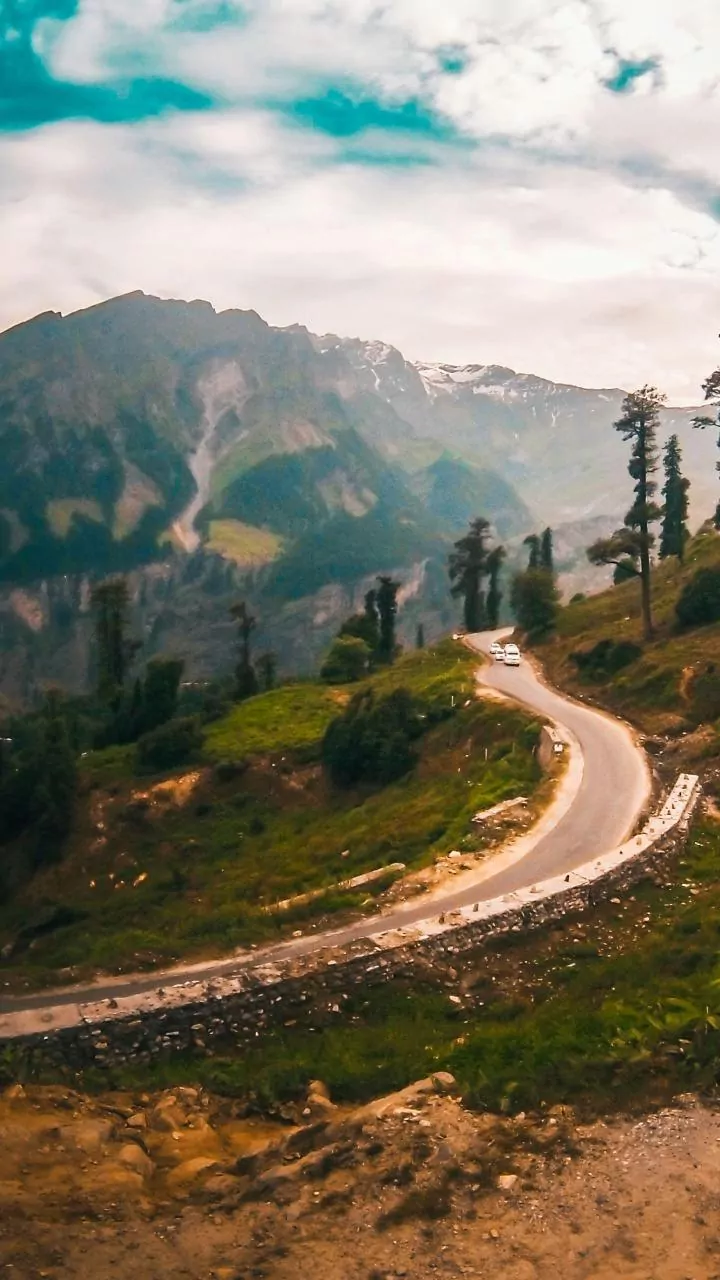
India's diverse geography makes it perfect for micro-cations. For those in Delhi, the Himalayan foothills offer quick escapes to places like Lansdowne or Rishikesh. Mumbai dwellers can easily drive to the serene lakes of Bhandardara or the popular hills of Lonavala. From Bengaluru, the coffee plantations of Sakleshpur and the rolling hills of Coorg are just a road trip away. Chennai residents have the charming French-colonial town of Pondicherry and the quiet hills of Yelagiri within easy reach. Meanwhile, a quick trip from Hyderabad to the historic city of Bidar or from Kolkata to the cultural hub of Shantiniketan can feel like a world away. These destinations offer a complete change of scenery and a chance to unwind without the commitment of a long-haul journey. Improved roads and more affordable domestic flights have put even more of these locations within striking distance for a weekend trip.
A Trend That's Here to Stay
The rise of the short break is more than just a fleeting trend; it reflects a deeper shift in our relationship with work and travel. For young Indians especially, these trips are becoming a vital coping mechanism for burnout and a way to inject regular doses of novelty and joy into a busy life. The hospitality industry has taken note, with hostels and boutique hotels now catering specifically to the weekend traveller who books late and stays for a couple of nights. As flexible and remote work arrangements become more common, the ability to take a quick trip without disrupting professional life will only increase. Travel is no longer seen as a once-a-year luxury but as an essential, ongoing part of a balanced lifestyle.