





A Record-Breaking Surge
India's electric passenger vehicle market is witnessing unprecedented growth, smashing records in recent months. In June 2026, the industry crossed a significant milestone, selling over 31,000 electric passenger vehicles for the first time in a single
month. This represents a staggering 106% year-on-year growth compared to June 2025. This momentum has been building steadily, with May 2026 sales already showing a healthy 8.2% month-on-month increase to over 26,620 units. The trend confirms that EV adoption is moving beyond early adopters and into the mainstream, with total EV registrations across all vehicle types reaching 2.64 lakh units in May. This boom isn't just a flash in the pan; it's a structural shift powered by a new generation of electric cars that finally hit the sweet spot of price and practicality for the Indian consumer.
The Affordability Factor
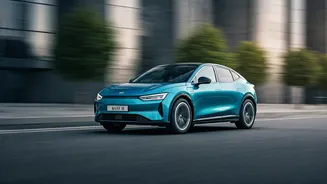
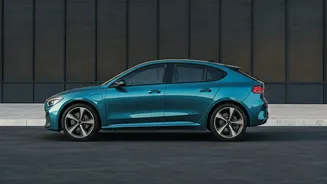
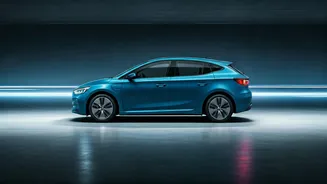
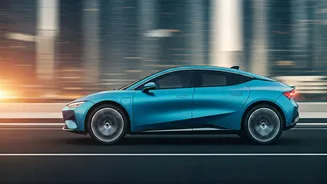
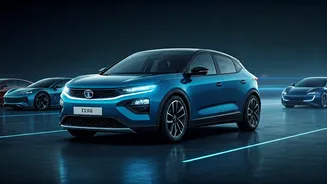
At the heart of this boom are models that have redefined what an affordable EV can be. Automakers like Tata Motors and MG have been instrumental in this shift. Tata's portfolio, including the Punch EV, Nexon EV, and the highly popular Tiago EV, has been a major volume driver. The Tata Tiago EV, often cited as one of the country's most affordable and practical electric cars, offers a compelling package for families. Similarly, the MG Comet EV, with its compact design, has carved out a niche for city-centric buyers. These vehicles, with starting prices that dip well under ₹10 lakh, are directly challenging the dominance of petrol-powered hatchbacks and compact SUVs by making the electric dream accessible to a much wider audience. The success of these models shows that when the price is right, Indian consumers are more than willing to make the switch.
Government Push and Lower Running Costs
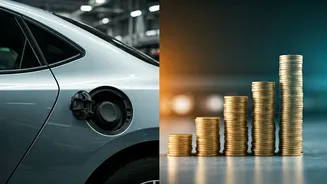
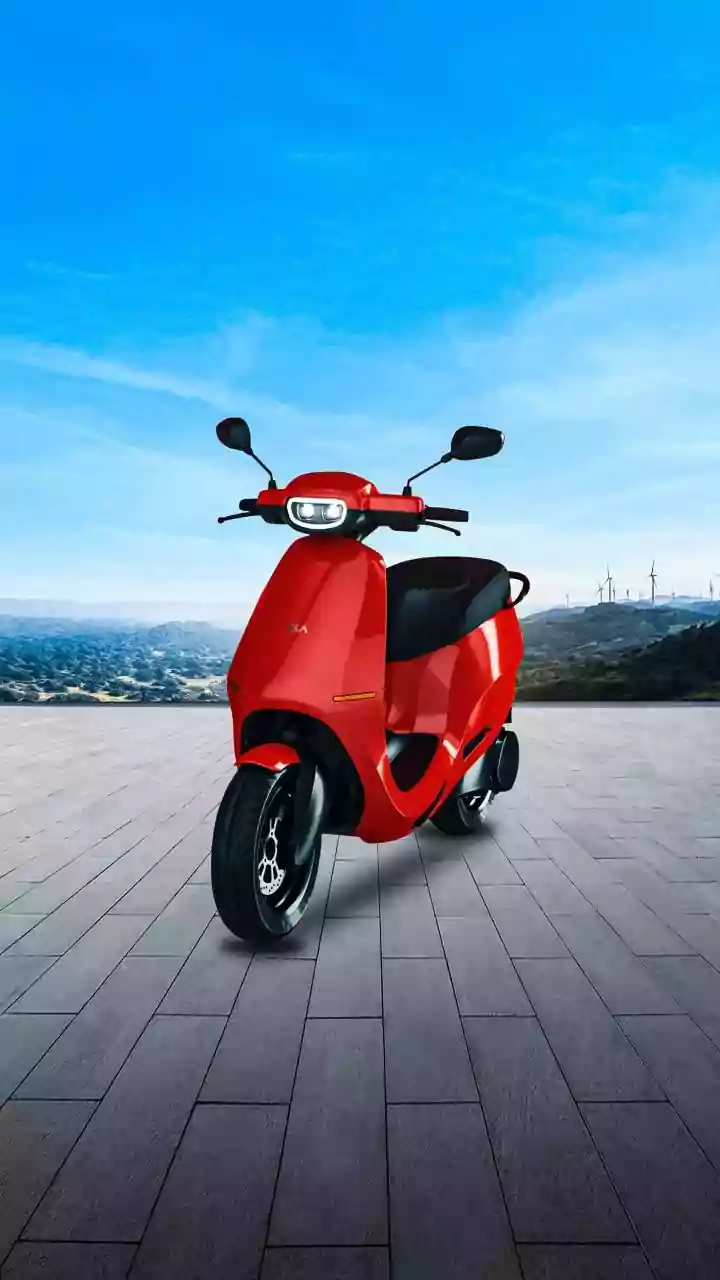
The sticker price is only part of the story. Government incentives, both at the central and state level, play a crucial role in lowering the effective cost of ownership. Schemes like FAME (Faster Adoption and Manufacturing of Electric Vehicles) provide subsidies that make these cars even more attractive. FAME III, the latest iteration of the policy, continues to provide financial incentives, particularly for two-wheelers, three-wheelers, and public transport. While direct subsidies for private cars are being re-evaluated, the overall policy direction remains strongly in favour of electrification. Beyond the initial purchase, the economic benefits become even clearer. With rising petrol prices, the significantly lower running costs of an EV—both for fuel (electricity) and maintenance—are a powerful motivator for cost-conscious buyers. For a typical user, the monthly savings can be substantial, making the total cost of owning an EV lower than a comparable petrol car over a few years.
The Ecosystem Matures
A few years ago, 'range anxiety' was the biggest barrier to EV adoption. However, India's charging infrastructure has been expanding rapidly, helping to ease these concerns. As of early 2026, India has over 27,000 public charging stations, a number that has grown significantly in recent years. This growth is concentrated in metro areas and along major highways, making inter-city travel more feasible than ever before. While challenges remain, especially in Tier-2 and Tier-3 cities and with charger reliability, the progress is undeniable. This growing network, combined with the increasing availability of home charging solutions, is giving potential buyers the confidence to invest in an electric future. The market is responding in kind, with nearly every major automaker, including Maruti Suzuki and Mahindra, now offering or developing competitive EV models.