



Redefining Gold's Modern Role
Forget the heavy, ornate gilding of the past. Today's approach to gold in interior design is all about strategic, thoughtful application. Instead of being the loudest element in a room, it serves as a warm metallic neutral that brings light and life to a space.
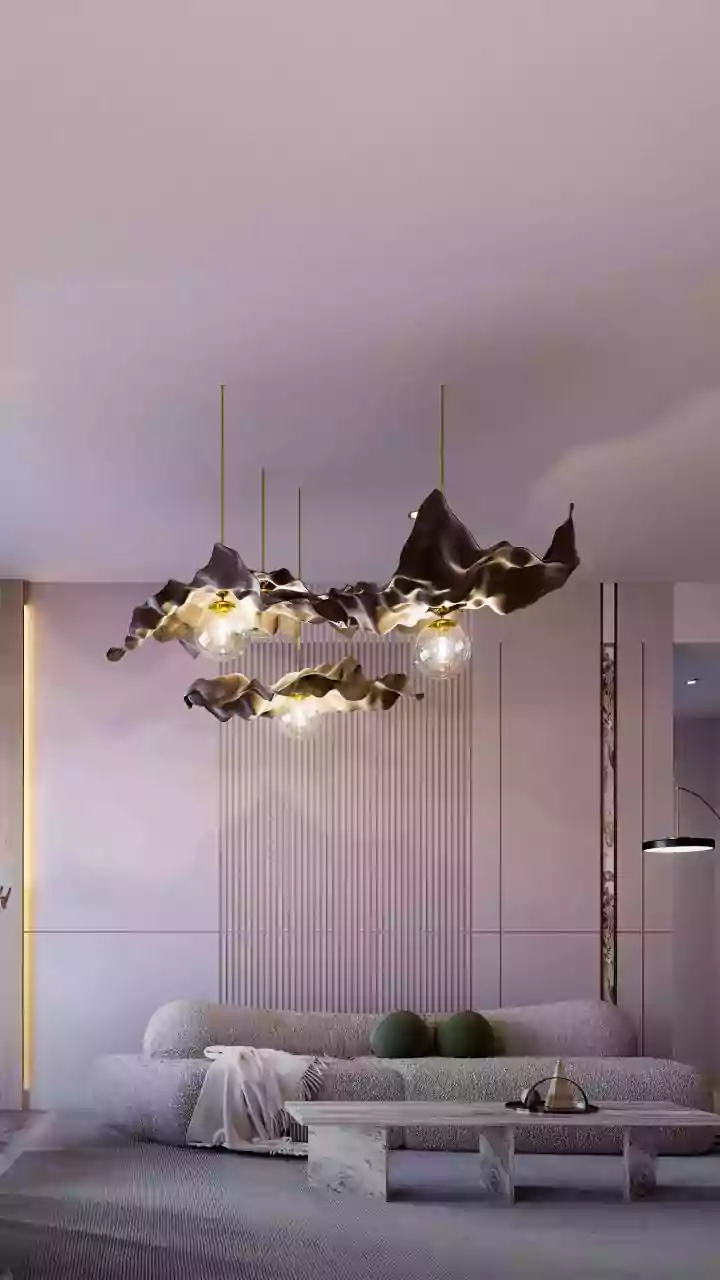
The inherent shimmer of gold leaf adds a layer of visual interest and luxury that paint alone cannot replicate. It works by catching the light and drawing attention to specific features, whether it's the elegant curve of a furniture leg or a room's architectural details. This new form of luxury is less about overt wealth and more about creating an inviting atmosphere with a touch of handcrafted elegance.
Start Small with Accent Pieces
The easiest way to introduce gold leaf without it dominating your space is through small, carefully chosen accents. Think of it as jewellery for your room. Consider gilding the inner surface of a lampshade to cast a warm, flattering light, or apply it to the edges of a simple mirror frame to create a statement piece. Other subtle applications include highlighting the legs of a coffee table, the trim on a cabinet, or updating drawer pulls and hardware. Even picture frames or small decorative objects with a touch of gold leaf can create a cohesive, luxurious feel when placed strategically throughout a room. This approach allows you to experiment with the finish on a small scale.
Focus on Texture and Finish
Not all gold is created equal. The unique quality of gold leaf lies in its delicate, paper-thin nature, which provides a textural depth that polished metal or metallic paint often lacks. When applied, it retains a soft, slightly irregular finish that feels artisanal and unique. This handmade quality is a perfect counterpoint to the clean lines and smooth surfaces common in modern design. For a more understated look, the leaf can be 'antiqued' with a thin layer of French polish or a dark wax, which tones down the brassiness and adds a sense of history. This technique creates a gentle glow rather than a high-wattage gleam, making it ideal for creating a calm and sophisticated environment.
Use Gold to Guide the Eye
In addition to objects, gold leaf can be used on architectural surfaces to subtly shape the experience of a room. Applying it to a ceiling medallion, a cornice, or inside a built-in shelving nook can transform these features into focal points. Gilding a small accent wall, perhaps in a geometric pattern, can add immense visual impact without needing to cover a large area. One of the most effective techniques is using gold leaf in places that interact with light. For example, a gilded alcove behind a console table or a headboard wall will catch ambient light, creating a radiant backdrop that makes the entire space feel brighter and more expansive.
The Right Colour Combinations
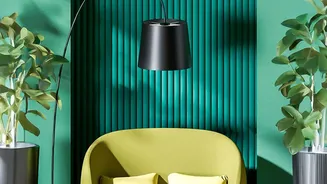
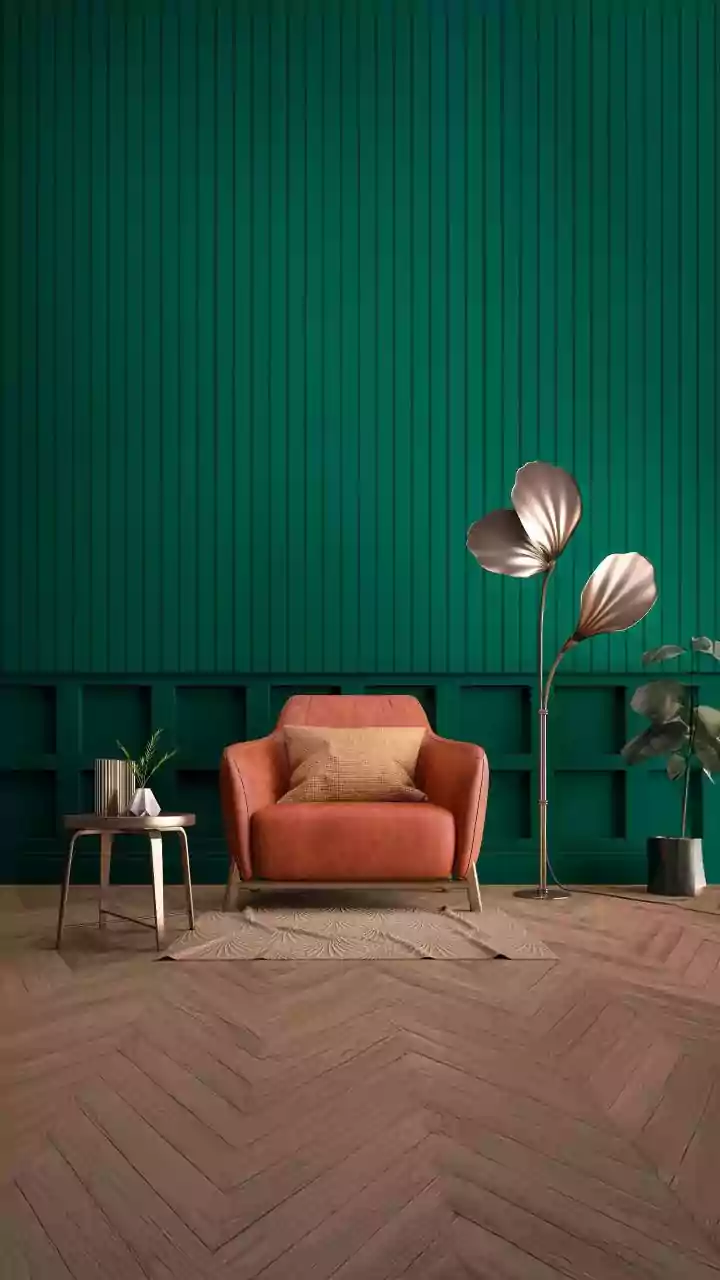
Gold is surprisingly versatile and pairs beautifully with a wide range of colours. For a timeless and classic look, combine gold accents with crisp whites, creams, and black. This high-contrast combination feels both modern and eternally elegant. To create a warmer, more inviting space, pair gold with earthy tones like terracotta, olive green, or sandy beige. For a more dramatic and moody effect, gold shines brilliantly against deep jewel tones such as navy blue, emerald green, or rich burgundy. These deep colours provide a sophisticated backdrop that makes the metallic accents pop, creating a room that feels both luxurious and welcoming.