
From Garnish to Star Player
There's a significant shift happening in modern Indian cuisine. The era of using regional ingredients as a mere afterthought or a colourful garnish is fading. Instead, chefs are now placing these once-overlooked items at the very heart of their dishes.
For a long time, the perception of fine dining in India was heavily influenced by international standards, where luxury was defined by foreign ingredients. This is no longer the case. A new wave of culinary leaders is demonstrating immense confidence in India's own biodiversity, moving away from a generalised 'Indian' menu to explore micro-regionality. This change signals a departure from performative modernity, like liquid nitrogen chaat, towards a more authentic and ingredient-focused philosophy.
Rediscovering India’s Forgotten Larder
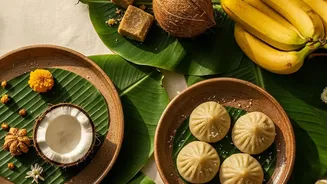
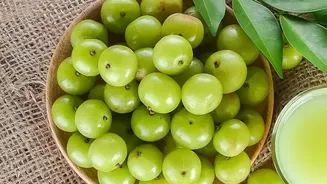
Chefs are now acting as culinary archivists, travelling to remote regions and working with local communities to rediscover and popularise ingredients that were once staples in home kitchens but rarely seen in professional ones. Ingredients like kokum, a sour fruit from the western coast, are being used for more than just traditional curries; their clean, berry-like acidity is now finding its way into sophisticated marinades and sorbets. Similarly, the earthy, aromatic lichen known as kalpasi, or stone flower, is being used to impart a subtle smokiness to dishes beyond traditional Chettinad preparations. Other ingredients making a comeback include heritage grains like millets, Himalayan sea buckthorn, gondhoraj lime, and forest-foraged greens, each bringing a unique story and flavour profile to the plate.
The Chefs Championing the Change
This movement is led by visionary chefs who are redefining Indian food. For instance, Chef Prateek Sadhu's restaurant NAAR in Kasauli focuses entirely on ingredients that are grown, foraged, or sourced locally from the Himalayan region. In New Delhi, Chef Manish Mehrotra of Indian Accent has long been a proponent of reinterpreting nostalgic Indian flavours with a modern-yet-authentic approach. These chefs and many others are part of a growing trend that prioritises the 'biography' of an ingredient, believing that true luxury lies in a specific heirloom grain from a small farm, not an imported delicacy. Their tasting menus are becoming narratives, telling the story of India's rich agricultural and cultural heritage, one course at a time.
More Than Just a Meal
This trend is about more than just creating new dishes; it represents a deeper cultural and economic shift. By focusing on hyper-local sourcing, restaurants are bolstering local economies and supporting small farmers and foraging communities. This farm-to-table approach ensures freshness and quality while also promoting sustainable agricultural practices and preserving biodiversity. For diners, it offers a more meaningful connection to their food, allowing them to experience the true diversity of India's culinary landscape. It's a move away from the standardised, often North Indian-dominated menus that were once ubiquitous, towards a celebration of regional specificity and culinary identity.