





A Sky Half-Empty
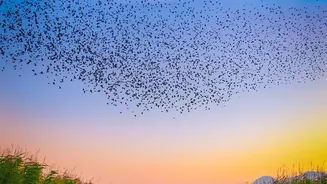
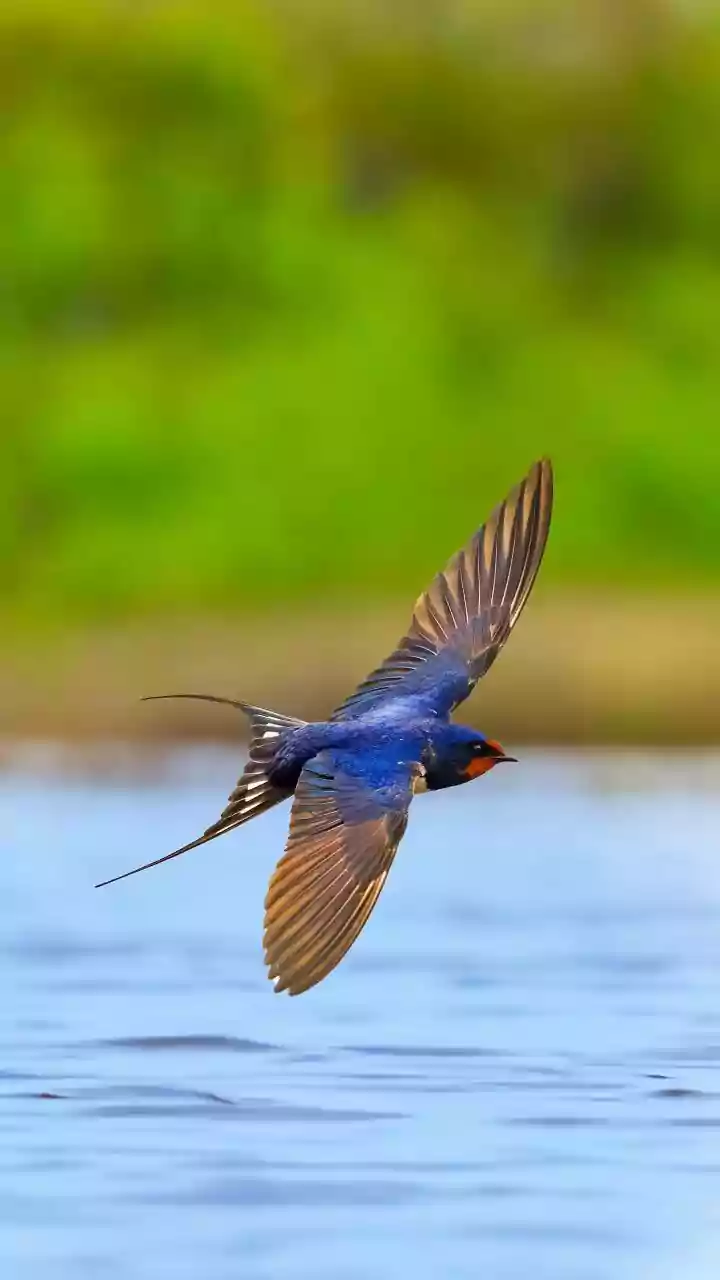
Recent studies paint a sobering picture for the world's winged travellers. A July 2026 study revealed that a staggering 51% of global migratory bird species are experiencing population declines. This isn't just about a few rare species; even once-common
birds are dwindling, signalling a widespread biodiversity crisis. The causes are numerous and complex, but they share a common thread: human activity. Habitat loss remains the single greatest threat. Wetlands are drained for agriculture, coastlines are developed, and forests are cleared, leaving birds with nowhere to rest and refuel on their marathon flights. This loss is magnified for migratory species; a safe breeding ground is useless if the crucial stopover sites along the way disappear.
The Perilous Path of a Global Traveller
Imagine flying thousands of kilometres, only to find your traditional resting spot is now a construction site or a wind farm. This is the reality for many birds. Along flyways like the Central Asian Flyway (CAF), which funnels hundreds of species over India, the threats are constant. Expanding infrastructure, like power lines and buildings, creates deadly collision risks. Pollution from plastics and pesticides contaminates their food sources, while climate change disrupts the delicate timing of their migration, causing them to arrive too early or too late for peak food availability. Furthermore, unsustainable and illegal hunting continues to take a heavy toll in many regions along their routes. A bird that is safely sheltered in an Indian sanctuary during the winter may face any of these dangers once it departs for its breeding grounds in the Arctic or Central Asia.
India's Pivotal Role on the Flyway
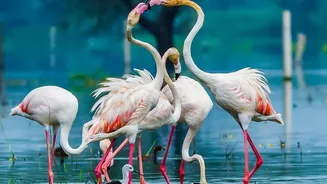
India is not just a spectator to this crisis; it is a critical hub. The Indian subcontinent is a major part of the Central Asian Flyway, providing temporary homes to at least 279 populations of 182 migratory waterbird species. Iconic species like the Amur falcon, bar-headed geese, and the critically endangered Siberian crane depend on India's wetlands and forests to survive the harsh winter months. Recognising this, India has been a party to the Convention on the Conservation of Migratory Species of Wild Animals (CMS) since 1983 and has launched a National Action Plan for the conservation of species along the CAF. The country has also taken steps to protect key habitats and reduce threats like plastic pollution, but the very nature of migration means these efforts cannot succeed in isolation.
Why a Passport Doesn't Help a Bird
Birds don't recognise political boundaries. A conservation success in one country can be completely undone by habitat destruction or hunting in the next. This is the core challenge: protecting species that live across multiple jurisdictions with vastly different laws and conservation priorities. The chain of survival is only as strong as its weakest link. For shorebirds using the East Asian-Australasian Flyway, studies have shown that the loss of even a few key coastal habitats due to sea-level rise can have a magnified impact on the entire population, far exceeding the actual area of land lost. This highlights that protecting isolated spots is not enough; the entire network of sites they depend on must be secured.
A Coordinated Plan for a Planet in Motion
The only viable solution is coordinated international action. Treaties like the CMS, also known as the Bonn Convention, provide a global platform for countries to work together. The convention encourages member states to protect migratory species, conserve their habitats, and remove obstacles to their migration. This involves everything from creating transboundary protected areas to standardising policies on threats like bycatch in fisheries and the impacts of energy infrastructure. Initiatives like the African-Eurasian Migratory Landbirds Action Plan (AEMLAP) and flyway-specific partnerships are putting this into practice, combining scientific research with on-the-ground conservation across continents. These efforts require sustained investment and political will from all countries along a bird's flight path to ensure that these global travellers have a future.