





The Return of the First-Time Buyer
For years, the narrative in India’s car market was dominated by upgrades and second-car purchases. Now, the pendulum is swinging back. A significant driver of the recent surge in passenger vehicle sales is the return of the first-time buyer. Major automakers
are reporting a sharp increase in this segment. Maruti Suzuki, for instance, noted that first-time buyers accounted for 54% of its sales in the first half of the fiscal year, a jump of over 10 percentage points from the previous year. This isn't just a metro phenomenon. A growing number of these new owners are emerging from Tier-II and Tier-III cities, where rising disposable incomes, improved infrastructure, and a desire for personal mobility are converging. For many families, this marks a significant milestone, an upgrade from a two-wheeler to their very first car, signalling a broader economic and social evolution.
Why Small Cars Are Big News Again
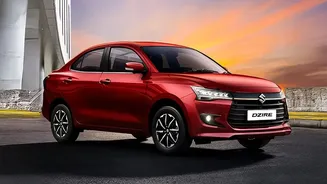
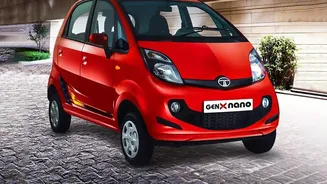
The hero of this new chapter is the small car. After a period where larger SUVs captured the market's imagination, the humble hatchback is making a powerful comeback. The primary reason is affordability, which has been significantly boosted by recent tax reforms. A pivotal change in the Goods and Services Tax (GST) structure, effective September 2025, has made this segment particularly attractive. Cars under four metres in length with smaller engines (up to 1200cc for petrol and 1500cc for diesel) now attract a GST of just 18%. This is a massive drop from the previous structure of 28% plus an additional cess. In contrast, any vehicle that exceeds these limits falls into a 40% tax bracket. This tax differential makes a substantial difference in the final showroom price, making small cars the logical entry point for budget-conscious, first-time buyers.
More Than Just Price
While the tax advantage is undeniable, the appeal of small cars runs deeper. For the millions navigating the dense traffic and limited parking of Indian cities, a compact car is a practical choice. Their smaller footprint makes them easier to manoeuvre and park in tight spaces. Furthermore, their lighter weight and smaller engines translate to better fuel efficiency—a critical factor for buyers who are highly sensitive to running costs, especially with fluctuating fuel prices. Automakers have also recognised that buyers in this segment are no longer willing to compromise on features. Modern entry-level cars now come equipped with amenities like touchscreen infotainment systems, automatic climate control, and advanced safety features, which were once the preserve of more expensive models.
How Automakers Are Responding
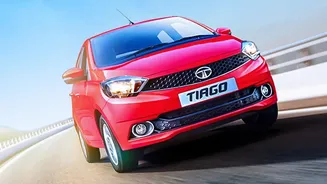
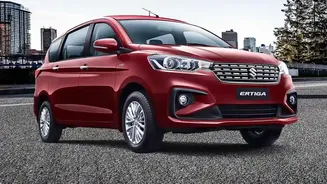
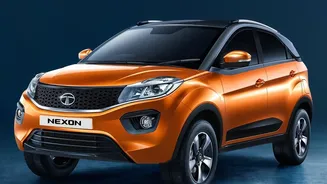
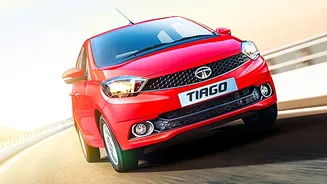
This market shift has not gone unnoticed by car manufacturers. Companies with a strong portfolio in the small car segment, like Maruti Suzuki and Tata Motors, are reaping the benefits and doubling down on their strategy. After years of focusing on the high-margin SUV market, manufacturers are now revitalising their hatchback lineups and acknowledging that the next wave of growth will come from the mass market. This involves not just launching new models but also ensuring production can meet the renewed demand. This trend is broadening the base of the entire industry, creating a more sustainable growth path that relies on volume. As the market grows at both ends—with aspirational buyers still opting for SUVs and a new cohort entering at the affordable end—automakers are recalibrating their product mix to cater to this dual demand.