






Turmeric: The Golden Anti-Inflammatory
This vibrant yellow spice, a cornerstone of Indian cooking, is more than just a flavouring for your dal or curries. Turmeric contains a powerful compound called curcumin, which is a potent anti-inflammatory. Studies have shown that curcumin works by blocking
certain molecules and pathways in the body that trigger inflammation, offering relief that some researchers have compared to conventional anti-inflammatory drugs, but with fewer side effects. To boost your body's ability to absorb curcumin, it is often recommended to pair turmeric with black pepper, which contains a compound called piperine.
Ginger: The Soothing Root
A close relative of turmeric, ginger is another staple in Indian households, revered for both its culinary and medicinal properties. Its main active compound, gingerol, is responsible for many of its health benefits, including powerful anti-inflammatory and antioxidant effects. Research suggests that ginger can help reduce muscle soreness and may ease joint pain associated with conditions like osteoarthritis. Ginger and turmeric are often used together in traditional medicine, and some modern studies suggest they work synergistically, meaning their combined effect against inflammation may be greater than when used alone.
Leafy Greens: Nature's Nutrient Powerhouse
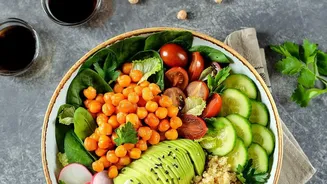
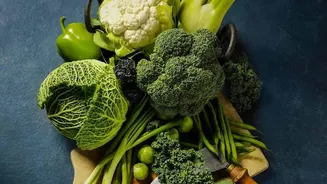
From spinach (palak) to fenugreek leaves (methi) and kale, dark leafy greens are packed with health benefits. They are rich in antioxidants and vitamins, including Vitamin K, which plays a role in reducing inflammatory markers in the blood. Greens like spinach and broccoli are also a good source of calcium, which is vital for bone health. Furthermore, many of these vegetables support good gut health, which is increasingly understood as a key factor in regulating inflammation throughout the body.
Berries and Cherries: The Antioxidant Bombs
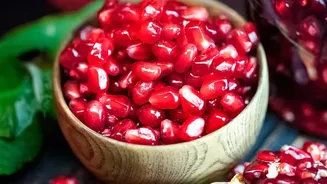
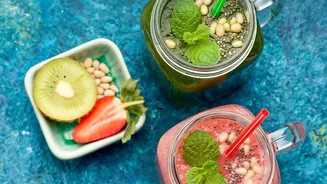
Berries like strawberries, blueberries, and raspberries are not just delicious; they are loaded with antioxidants called anthocyanins. These compounds give the fruits their vibrant red and purple colours and are key to their anti-inflammatory power. Anthocyanins help neutralize free radicals, which are unstable molecules that can cause cellular damage and promote inflammation. Some studies have specifically highlighted that eating berries regularly can help lower C-reactive protein (CRP), a key marker of inflammation in the body. Tart cherries, in particular, have been studied for their ability to relieve joint pain in people with osteoarthritis.
Nuts and Seeds: Good Fats for Good Joints
While this article is about plant-based foods, it is important to mention the role of healthy fats. Walnuts and seeds like flaxseeds (alsi) and chia seeds are excellent plant-based sources of omega-3 fatty acids. These fats are known to have anti-inflammatory properties, helping to reduce the production of inflammatory compounds in the body. Studies have shown that a diet with a good ratio of omega-3 to omega-6 fats can lead to reduced arthritis pain and better joint function. A small handful of walnuts or a spoonful of ground flaxseed in your morning oatmeal or smoothie can be an easy way to boost your intake.
Cruciferous Vegetables: The Detox Defenders
Vegetables like broccoli, cauliflower, cabbage, and Brussels sprouts belong to the cruciferous family. They contain a powerful compound called sulforaphane, which has been shown to block the inflammatory process and may even slow down the deterioration of cartilage in joints. Research suggests that sulforaphane's anti-inflammatory and antioxidant properties can be beneficial for those with joint pain. Including these vegetables in your regular sabzi rotation is a great strategy for supporting long-term joint health.