



The Golden Spice: What’s in Turmeric?
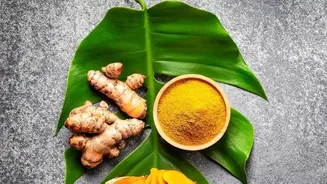
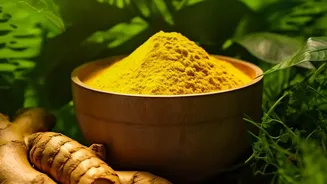
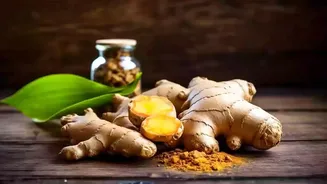
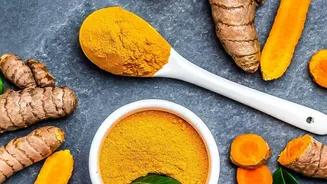
Turmeric, the vibrant yellow spice that gives curry its characteristic colour, has been a cornerstone of Ayurvedic medicine for centuries. Its fame in modern wellness circles is largely due to a group of compounds called curcuminoids, the most prominent
of which is curcumin. Curcumin is the primary active ingredient and has been the subject of extensive scientific research for its potential health benefits. Studies suggest that curcumin has antioxidant and anti-inflammatory properties. Inflammation is a natural and necessary process the body uses to protect itself from harm, but when it becomes chronic, it can contribute to various health issues. Research indicates that curcumin may help modulate some of the pathways involved in the body's inflammatory response. However, there’s a catch: curcumin makes up a relatively small percentage of turmeric and is not easily absorbed by the body on its own.
Ginger’s Zing: More Than Just Flavour
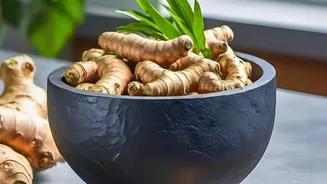
Ginger, with its pungent and spicy kick, has a long history of use for digestive ailments and nausea. Its main bioactive compounds are gingerols (in fresh ginger) and shogaols (more potent and found in dried ginger). These compounds are responsible for ginger's distinctive taste and its potential health-promoting effects. Much like curcumin, gingerols and shogaols have been studied for their antioxidant and anti-inflammatory capacities. Research suggests they work by inhibiting the production of certain pro-inflammatory mediators in the body. Some studies have explored ginger's role in easing joint pain and muscle soreness, with results suggesting a modest benefit. Scientists believe that both turmeric and ginger can help the body manage oxidative stress, a process linked to cellular damage.
Food, Not Pharmacy
Herein lies the most crucial point: using turmeric and ginger in your cooking is not the same as taking a medication. While studies show these spices contain compounds with anti-inflammatory effects, the research often uses concentrated extracts at doses much higher than what you would sprinkle on your food. For example, a therapeutic dose of curcumin is difficult to achieve just by eating turmeric root. Health experts emphasize that these spices should be considered part of a healthy, balanced diet rather than a replacement for medical treatment prescribed by a doctor. Chronic inflammation can be a sign of an underlying medical condition that requires proper diagnosis and care. Relying solely on spices to manage a health issue could delay necessary treatment. Think of them as supportive players in your overall wellness routine, not the star quarterbacks.
Getting the Most From Your Spices
If you want to enjoy the potential benefits of these spices as part of your diet, there are a few simple tricks to enhance them. For turmeric, the key is absorption. Curcumin is fat-soluble, so pairing turmeric with a source of healthy fat—like coconut oil, ghee, or avocado—can help your body absorb it more effectively. Another powerful ally is black pepper. Black pepper contains piperine, a compound that has been shown to dramatically increase the bioavailability of curcumin, by as much as 2000%. This is why many traditional curry recipes intuitively combine turmeric, fat, and black pepper. For ginger, both fresh and dried forms are beneficial. You can grate fresh ginger into stir-fries and teas or use the powdered form in baking and spice rubs. Incorporating these spices regularly and consistently into your meals is the best way to enjoy them as whole foods.