






The Real Causes of Yellow Stains
That persistent yellowing on your clothes isn't just regular dirt. It's often the result of a chemical reaction. The most common cause is the mix of proteins in your sweat with the aluminium compounds found in many antiperspirants. This combination binds
to fabric fibres and, over time, oxidises, creating a yellow stain that a standard wash cycle can't break down. Other culprits include the buildup of body oils, residue from using too much laundry detergent or fabric softener, and even minerals in hard water that deposit onto your clothes. Even if clothes look clean when put away, these invisible residues can slowly yellow over time during storage.
When the Solution Becomes the Problem
Instinct might tell you to reach for chlorine bleach to whiten your whites, but this can often make the problem worse. While chlorine bleach can be effective for short-term whitening, its harsh oxidising properties can weaken and damage fabric fibres over time, leading to yellowing. It's particularly problematic on synthetic fabrics like polyester or nylon and can even cause permanent yellowing on fabrics with even a small amount of spandex. Furthermore, many white fabrics are treated with optical brighteners to give them a crisp, slightly blue-toned appearance. Aggressive chlorine bleach can strip these brighteners away, revealing the fabric's natural, more yellowish undertone.
The Power of Pre-Treatment
For deep-set yellowing, simply tossing the garment into the wash is rarely enough. The key to success is pre-treating the stains to break them down before the main wash cycle. This gives the cleaning agents time to work directly on the concentrated stain. A simple paste made from baking soda and water is a great starting point. Apply it to the stained area, let it sit for at least 30 minutes, and then gently scrub with a soft brush before washing. This initial step helps to lift the oxidised residue from the fabric fibres, making the subsequent wash far more effective.
Your New Whitening Toolkit
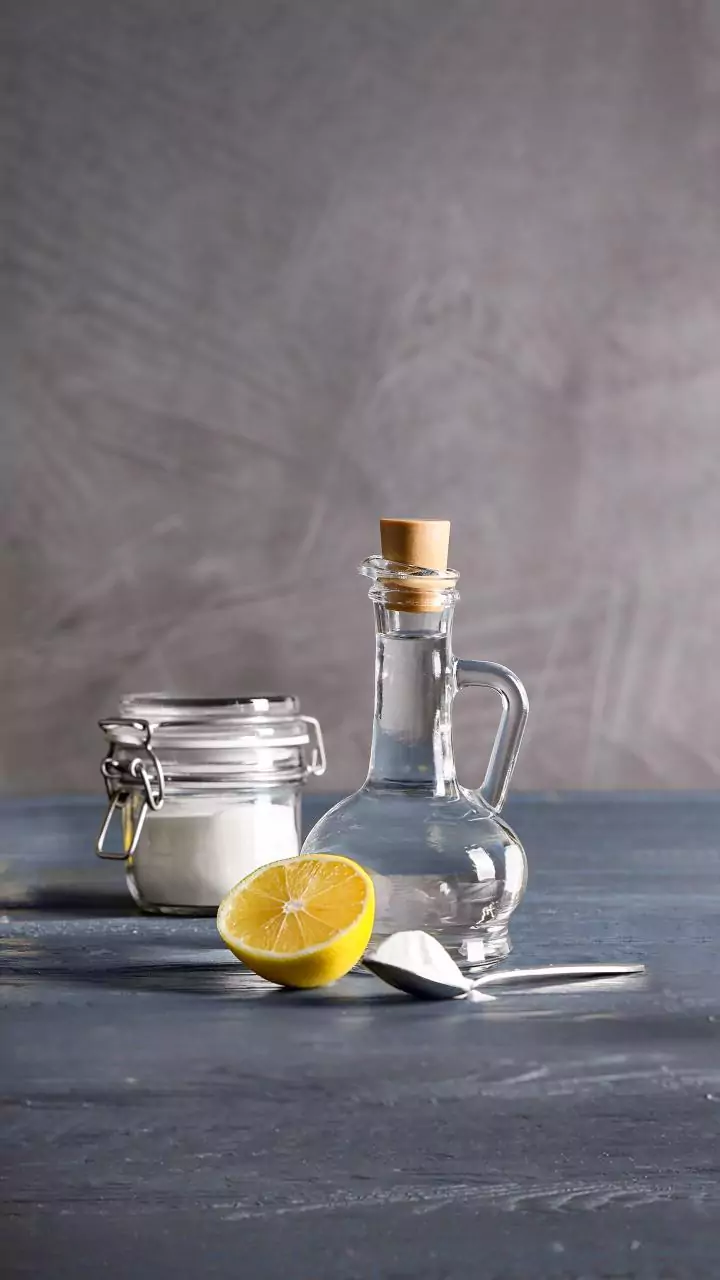
Instead of harsh chlorine bleach, consider adding gentler but powerful alternatives to your laundry routine. Oxygen bleach, often found in powdered form, is a fantastic option. It is a colour-safe bleach that works by releasing oxygen to break down stains and brighten fabrics without stripping colour or damaging fibres. For a natural approach, white vinegar is another hero. Its mild acidity helps to break down mineral deposits from hard water and dissolve residue from detergents. You can use it as a pre-soak or add a cup to the rinse cycle. Lemon juice, a natural bleaching agent, can also be effective, especially when combined with sunlight. A soak in hot water with lemon juice before washing can help brighten cotton and linen fabrics.
A Step-by-Step Soaking Strategy
To truly tackle stubborn, widespread yellowing, a long soak is your best strategy. For whites and colourfast items, fill a bucket or basin with hot water and add a scoop of powdered oxygen bleach. Submerge your yellowed garments completely and let them soak for several hours, or even overnight for the best results. The extended time allows the oxygen to penetrate deep into the fibres and break down the stains. If using a natural method, a long soak in a solution of white vinegar and water can also be very effective. After soaking, wash the clothes as you normally would, but consider adding an extra rinse cycle to ensure all residues are washed away. For best results, let the items air dry in the sun, as UV rays have a natural bleaching effect that can further brighten the fabric.