




A Crisis Without A Clear End
In recent statements, International Energy Agency (IEA) Executive Director Fatih Birol has been unequivocal: the global energy crisis is far from over and will likely extend into 2027. Speaking at events in London and Singapore, Birol expressed that he sees
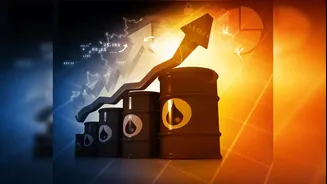
no 'credible pathway' for markets to normalize next year, citing ongoing geopolitical conflicts that have fundamentally disrupted energy supplies. The crisis, which he has described as larger than the oil shocks of the 1970s combined, is not just a temporary spike in prices but a structural shift that will require a long healing process. The core of his warning is that even if conflicts were to cease, the intricate web of global energy trade has been so damaged that it cannot simply snap back into place.
What Broke in Global Energy Trade?
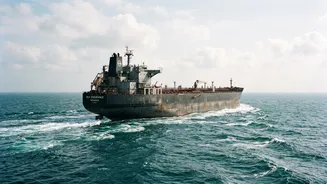
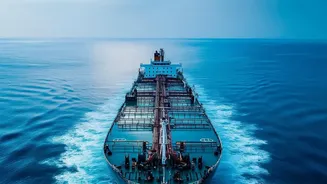
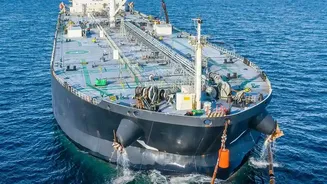
Before the recent crises, global energy trade, while complex, followed established patterns. Europe, for example, heavily relied on Russian gas, while Asia was a primary destination for crude oil and LPG from the Middle East. Geopolitical conflicts have shattered these relationships. Sanctions, physical disruptions to infrastructure, and the weaponization of energy supplies have forced a dramatic and chaotic rerouting of global energy flows. Countries have had to scramble for new suppliers, often at much higher costs, while key transit routes like the Strait of Hormuz face constant threats. This isn't just a matter of redirecting ships; it's a breakdown of long-term contracts, investment models, and the trust that underpins international trade, leaving a void that is difficult to fill quickly.
The Slow Road to Recovery
The 'long-term recovery' of energy trade refers to the immense challenge of rebuilding this broken system. It involves far more than just finding new sources of oil and gas. It requires forging new diplomatic and commercial alliances, financing and constructing new infrastructure like LNG terminals and pipelines, and recalibrating entire supply chains. This process takes years, not months. The IEA's analysis shows that while crude oil supply from some regions is beginning to recover, the flow of refined products like diesel and LPG remains severely constrained. Inventories have been depleted ahead of the winter, and the IEA warns that replenishing these stocks to comfortable levels is unlikely before the second half of 2027, directly contributing to the prolonged sense of crisis.
Implications for a Nation Like India
For major energy importers like India, the fracturing of global trade poses a significant threat to economic stability and energy security. India relies heavily on imports to meet its oil and gas needs. The IEA has noted the severe impact of supply disruptions and price volatility on developing countries, which suffer more than developed economies with stronger financial buffers. For example, the disruption of LPG exports from the Middle East has previously created a cooking fuel crisis, with import prices for India surging dramatically. While the Indian government has taken measures to mitigate these impacts, such as instructing refineries to maximize output and promoting alternatives, the nation remains vulnerable to global price shocks that can widen the trade deficit and fuel inflation.
A Push Towards a New Energy System
Amid the grim warnings, Birol and the IEA also point towards a fundamental shift. The crisis is accelerating changes in energy consumption, with a notable boost in the adoption of solar power, nuclear energy, and electric vehicles. In what the IEA calls the 'Age of Electricity', demand for power is growing at more than double the rate of overall energy demand. Birol has advocated for a major push toward electrification as a dual solution to enhance energy security and reduce emissions. The current turmoil, while painful, is forcing governments and companies to rethink their long_term strategies, potentially accelerating the transition to a more resilient, and ultimately cleaner, energy system.