




Beyond One-Note Sweetness
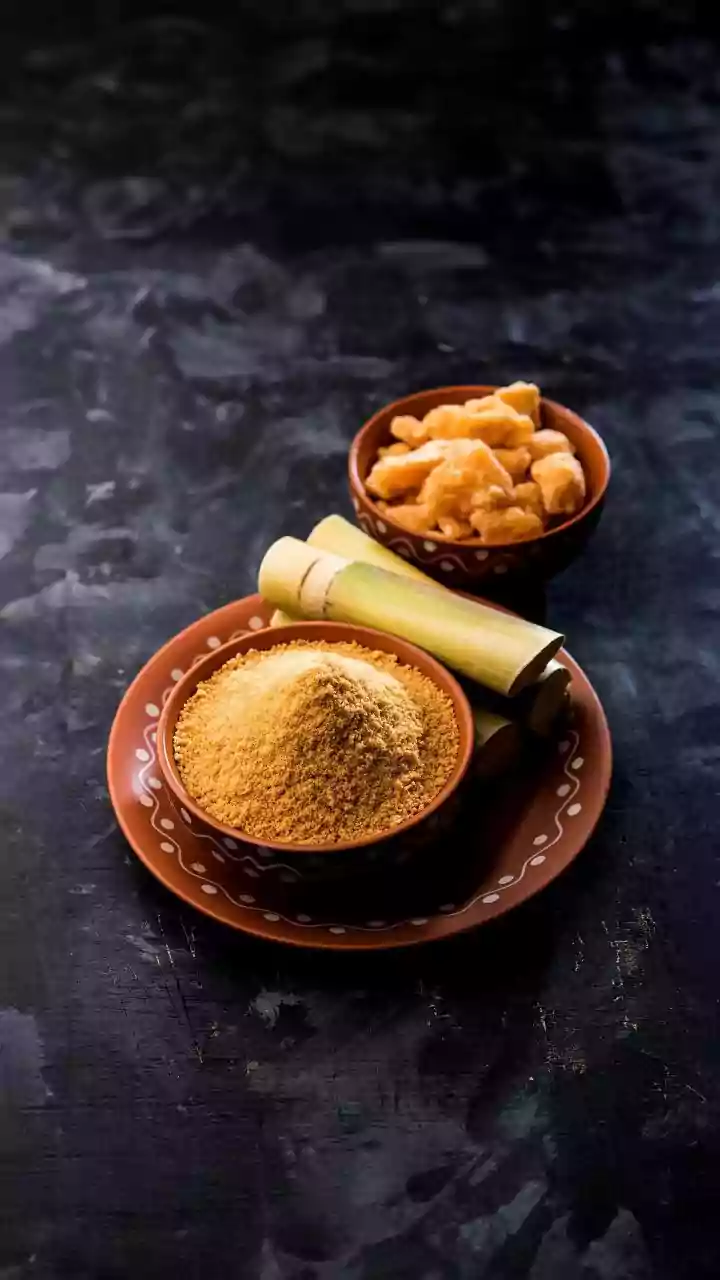
Refined white sugar offers a straightforward, intense sweetness. But when you use the sugarcane stalk itself, you unlock a more nuanced and aromatic flavour profile. The juice within the fibrous stalk carries grassy, earthy, and sometimes caramel-like
notes that processed sugar leaves behind during refining. This process often strips away trace minerals like potassium and calcium that remain in the raw juice. The goal isn't just to sweeten, but to add a layer of authentic, rustic flavour that enhances the entire dish. It's a shift in perspective: from adding a sweetener to incorporating a whole-food ingredient.
The Technique of Infusion
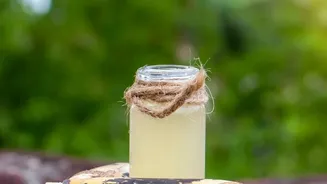
The primary method for cooking with sugarcane stalks is infusion. You don't eat the woody stalk; you use it to lend its flavour to liquids. To begin, you need to prepare the cane. First, use a heavy, sharp knife to peel away the tough outer bark. Once peeled, the inner core can be chopped into chunks or cut into spears. For maximum flavour release, it's often best to bruise the pieces slightly with the back of a knife or a mallet. These prepared stalks can then be added directly to simmering liquids, where they will slowly release their sweet, complex juice. For a more concentrated flavour, some cooks boil the stalks in a small amount of water to create a homemade syrup or 'juice'.
In Savoury Curries and Broths
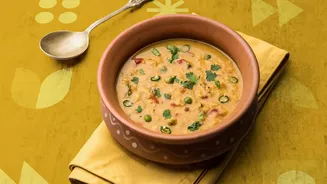
One of the most exciting applications for sugarcane is in savoury cooking. In many Asian cuisines, a touch of sweetness is essential for balancing spicy, sour, and salty flavours. Adding a few bruised sugarcane chunks to a simmering pot of sambar, a tangy rasam, or a Thai-style coconut curry can provide this balance naturally. The stalk slowly leaches its sweetness, preventing the dish from becoming cloying and adding a subtle depth that white sugar can't replicate. It works particularly well in slow-cooked dishes, where the long cooking time allows for a full flavour infusion. Another popular technique, especially in Vietnamese cuisine, is to use stalks as skewers for grilling shrimp paste or minced meat. As the food cooks, the cane's juice bastes the meat from the inside out, adding moisture and a delicate sweetness.
Refreshing Drinks and Natural Desserts
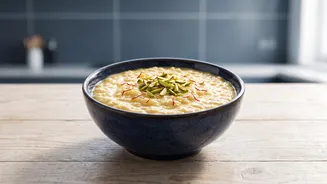
Beyond savoury dishes, sugarcane stalks are a natural fit for drinks and desserts. You can create a simple, refreshing beverage by simmering peeled stalks in water with ginger and lime. The resulting drink is a world away from overly sweet commercial juices. The stalks can also be used as rustic swizzle sticks for mocktails and cocktails, infusing the drink with flavour as it's stirred. In traditional Indian sweets, sugarcane juice or infused milk can replace refined sugar in recipes like kheer or payasam. To make a sugarcane kheer, rice is slow-cooked in milk, and instead of adding sugar, it's finished with concentrated sugarcane juice, cardamom, and nuts for a more wholesome and aromatic result.
A Return to Natural Ingredients
Cooking with sugarcane stalks is less about a strict health swap and more about a culinary philosophy. While the juice is still a form of sugar, using it in its whole form connects us to the ingredient's origin. It encourages a mindful approach to cooking, where flavour is built through technique rather than by simply adding processed sweeteners. Chewing on a piece of raw cane is a nostalgic snack for many in India, a direct taste of the land. By bringing the stalk into the kitchen, we're not just finding a substitute for sugar; we're rediscovering an ingredient that has been part of our culinary landscape for centuries, used in everything from celebratory rituals like Chhath Puja to everyday refreshments.