

A New Era for Wildlife Tourism
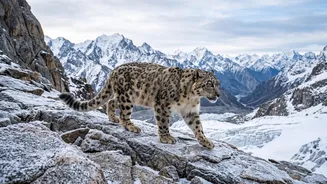
In a significant move for conservation and tourism, Ladakh has officially launched India's first high-altitude wildlife safari. Flagged off in early October 2026, this programme formalises the search for one of the world's most elusive big cats. While
snow leopard tours have existed for years, this new initiative, run by the Snow Leopard and High-Altitude Nature Conservation (SHAN) Society and the local government, aims to regulate tourism, prevent illegal off-roading that disturbs wildlife, and create a sustainable model that benefits both the environment and the local population. Initially, six specially designed, open-back safari vehicles will operate in key sighting areas like Rumbak, Shang, and Uley, with plans to expand routes across Hemis National Park and other wildlife sanctuaries.
Conservation Through Community
The core of this new programme isn't just about spotting wildlife; it's a unique model of community-led conservation. For years, organisations like the Snow Leopard Conservancy India Trust have worked to change the perception of the snow leopard from a livestock pest to a valuable asset. Previously, herders would sometimes kill the cats in retaliation for lost animals. The rise of responsible tourism, including award-winning Himalayan Homestay programmes, has provided local communities with an alternative income, giving them a direct economic incentive to protect the leopards. This new safari builds on that foundation, ensuring that local youths are trained as professional drivers and wildlife guides, turning them into custodians of their fragile ecosystem. This approach ensures tourism revenue directly supports the people who share their home with the snow leopards.
Planning Your Expedition
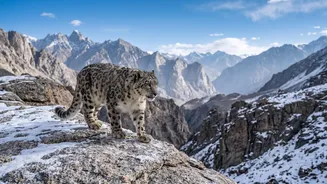
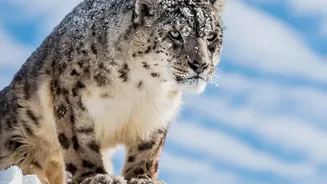
A trip to see the 'Ghost of the Mountains' requires careful planning. The best time for sightings is during the harsh winter months, from November to March. During this period, the snow leopard's primary prey, like the bharal (blue sheep) and ibex, move down to lower altitudes to graze, and the leopards follow them. February is often cited as a peak month as it coincides with the mating season when the cats are more active. Be prepared for extreme cold, with daytime temperatures hovering around freezing and nights dropping to -25°C. Expeditions take place at high altitudes, typically between 3,500 and 4,500 metres, so acclimatisation is critical. Travellers are advised to spend at least two full days in Leh (3,524m) to adjust before venturing into higher regions to avoid altitude sickness.
The Safari Experience
A typical expedition lasts around 10 to 12 days. Days begin early, with expert local trackers scanning the vast, snowy ridges for any sign of movement. These trackers, who grew up in these mountains, possess an intimate knowledge of the leopard's behaviour. While sightings are never guaranteed, the expertise of these guides in areas like the Ulley Valley and Hemis National Park makes Ladakh one of the best places in the world for a chance to see a snow leopard. The journey itself is an adventure, traversing breathtaking landscapes of frozen rivers and stark mountains. Beyond leopards, you may also spot other unique high-altitude wildlife, including the Tibetan wolf, red fox, Ladakhi urial (a type of wild sheep), and majestic birds like the golden eagle and lammergeier vulture.
More Than Just a Safari
The experience extends far beyond wildlife tracking. It's a deep cultural immersion into the land and its people. Many tours are based out of community-run lodges or homestays, offering a warm, authentic glimpse into Ladakhi life. These lodges, while sometimes simple, provide comfort against the cold and serve home-cooked meals. The journey also includes opportunities to visit ancient Buddhist monasteries, such as those in Leh, Thiksey, and Likir, whose spiritual art and architecture stand in stunning contrast to the rugged wilderness. Engaging with the resilient mountain communities and understanding their compassionate Buddhist faith offers a profound perspective that enriches the entire adventure.