




From Zen Monks to Urban Cafes
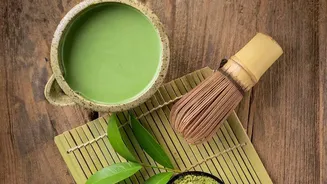
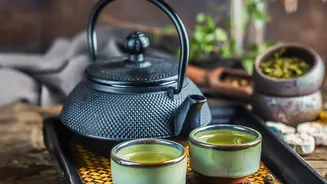
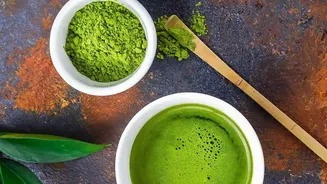
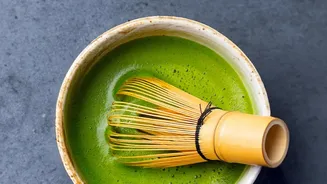
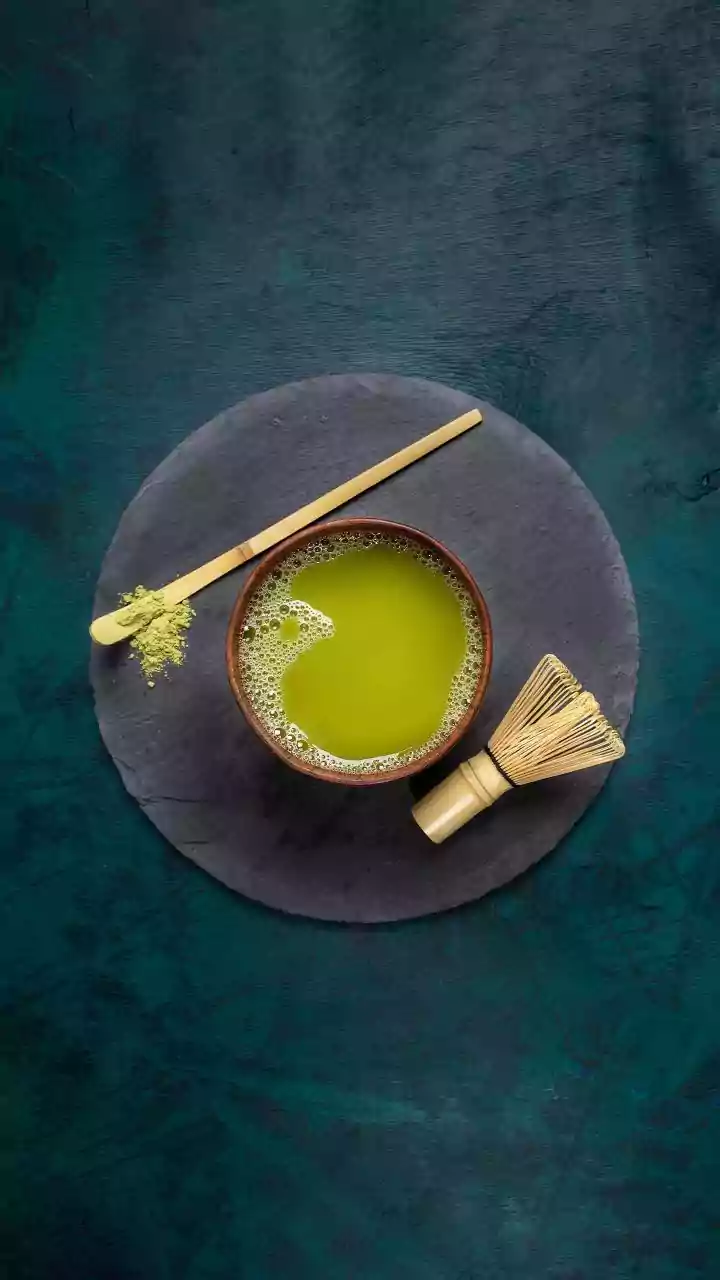
So, what exactly is matcha? It's not just regular green tea. Matcha is a finely ground powder made from specially grown and processed green tea leaves. Originating in China during the Tang Dynasty, the practice was refined in Japan, where it became central
to traditional tea ceremonies and Zen Buddhist meditation. The key difference is in its cultivation—the tea plants are shade-grown for about three weeks before harvest, which boosts their chlorophyll and L-theanine content. This process gives matcha its bright green colour and its unique, calming-yet-alert effect. Its modern appeal is twofold: wellness and aesthetics. It is packed with antioxidants and compounds like L-theanine, which provides sustained energy without the jitters of coffee. And, of course, its vibrant colour makes it incredibly 'Instagrammable', a key factor in its global rise.
India's Green Wave
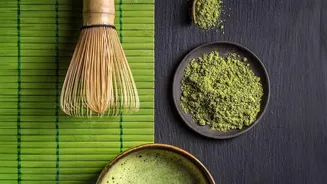
India, a nation with a deep-rooted chai culture, has wholeheartedly embraced this green newcomer. The Indian matcha market was valued at over USD 40 million in 2024 and is growing at a rate of over 8% annually, nearly double the pace of the broader tea market. This boom is driven almost entirely by urban millennials and Gen Z, typically aged 22-35, who are exposed to global trends and prioritise wellness. Major coffee chains were among the first to add matcha lattes to their menus, positioning it as a 'craft beverage' for a health-conscious generation. But the interest is moving beyond cafes. Google search data from India shows a massive spike in searches for 'how to make matcha' (+1300%), 'matcha health' (+1000%), and even 'matcha whisk', indicating a shift from just trying it to adopting it as a home ritual. This isn't just a drink; it's seen as a lifestyle choice.
The Price of Popularity
This global surge in demand, with India as a key growth market, is putting unprecedented strain on its country of origin. Japan is facing a perfect storm of supply-side challenges. Firstly, the meticulous, labour-intensive process of creating high-quality matcha limits scalability. Many of Japan's tea farms are small, family-run operations. Secondly, Japan is grappling with a severe demographic crisis in its agricultural sector. The average age of a tea farmer is over 65, and younger generations are not taking over the farms, leading to a critical labour shortage. The number of commercial tea farms has plummeted in recent decades. Compounding this are the effects of climate change, with unpredictable weather and rising temperatures damaging harvests in famous tea-growing regions like Uji and Shizuoka.
A Global Scramble for Green Gold
The result of soaring demand and a constrained supply is simple economics: prices are skyrocketing. The price for tencha, the leaves used to make matcha, has shot up, in some cases nearly tripling in a single year. This has led to purchase restrictions and shortages for cafes and suppliers worldwide. As Japan's production capacity struggles—with harvestable tea fields shrinking—the supply chain is under immense pressure. This has opened the door for other countries, particularly China, to ramp up production to meet the global appetite. However, Japan remains the gold standard for premium, ceremonial-grade matcha, and its supply issues affect the entire market. For consumers in India, this could mean higher prices for their favourite green latte and a greater need to be aware of the quality and origin of the powder they are buying.