



A Radical Bet on Reusability
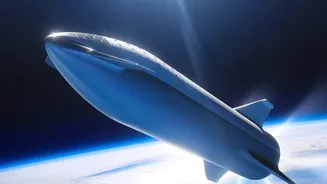
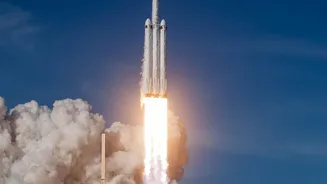
The fundamental reason for Starship's success lies in a concept that has driven SpaceX from the beginning: full and rapid reusability. Unlike traditional rockets that are discarded after one use, both parts of the Starship system—the Super Heavy booster
and the Starship spacecraft itself—are designed to fly again and again. This single principle changes everything. It forced engineers to solve incredibly difficult problems, from developing durable heat shields to mastering controlled landings. While previous test flights often ended in spectacular explosions, each was a deliberate step in a rapid iterative process: fly, fail, learn, and fly again. This philosophy, while costly and dramatic, allowed SpaceX to gather real-world data at a speed unheard of in the traditional aerospace industry, ultimately leading to a vehicle that could withstand the rigors of an orbital flight.
The Engine That Changes the Game
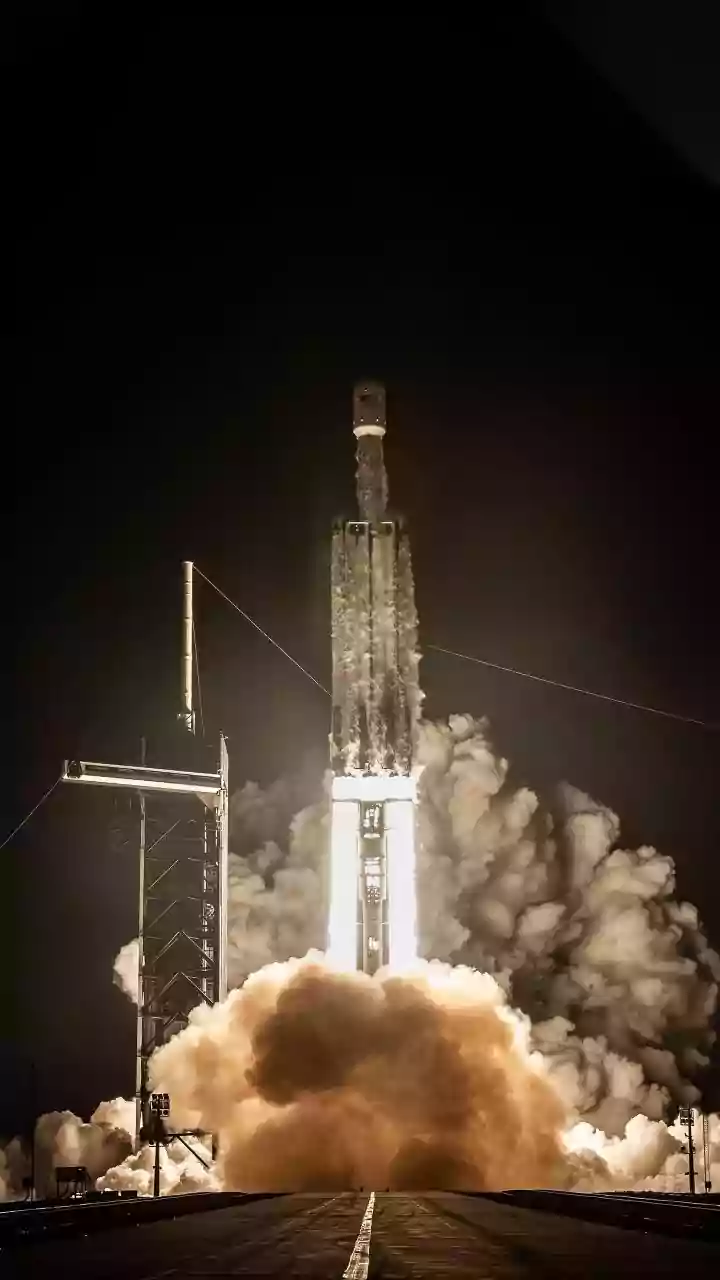
A revolutionary rocket needs a revolutionary engine. Starship is powered by multiple Raptor engines, which are a breakthrough in themselves. They are the first full-flow staged combustion engines to ever fly, a complex design that maximizes efficiency and power. Furthermore, they run on liquid methane and liquid oxygen, which are not only highly efficient but are also the resources astronauts could potentially produce on Mars, aligning with SpaceX's long-term goal of making humanity multi-planetary. The sheer number of these engines on the Super Heavy booster provides immense power and redundancy. Even during the successful orbital mission on September 28, an engine on the upper stage shut down early, but the vehicle was still able to complete its primary mission and reach orbit, demonstrating the resilience of the design.
More Than a Rocket, It's a Platform
Starship is much more than just a powerful rocket; it is a versatile transportation system. Its enormous size, standing over 120 meters tall, allows it to carry payloads larger than any other rocket in history. For its first orbital mission, Starship deployed 26 next-generation Starlink V3 satellites, instantly adding massive capacity to SpaceX's internet constellation. This highlights Starship's immediate business case: it is the only rocket capable of launching the satellites that will power the growth of Starlink, SpaceX's most profitable division. This internal demand provides a clear financial incentive to perfect the rocket, turning the Starship program from a pure research and development cost into a revenue-generating asset.
The Economic Imperative
Ultimately, the drive to reach orbit was fueled by economics. The high cost of expendable rockets has long been the primary barrier to expanding humanity's presence in space. By achieving full reusability, SpaceX aims to slash the cost of launching a kilogram to orbit by a factor of 100 or more. This drastic cost reduction is what makes ambitions like building a base on the Moon or a city on Mars economically feasible. NASA has also bet on Starship, selecting it as the vehicle to land Artemis astronauts on the Moon. The successful orbital flight was a critical step in validating the system for these future missions, proving that the world's most powerful launch vehicle is not just a dream, but a functional reality.