

The Case for Roasting: Deep Flavour
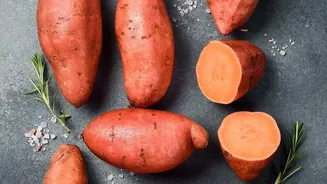
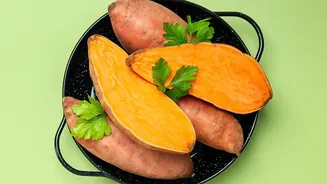
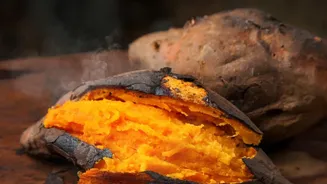
Roasting is a method that uses the dry, ambient heat of an oven to cook food. For sweet potatoes, this is where the magic happens. When you roast cubed or halved sweet potatoes at a high temperature (around 200-220°C), their natural sugars begin to caramelize.
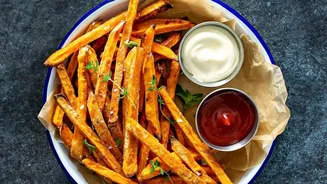
This process transforms the starches into maltose, a type of sugar, resulting in a deep, concentrated sweetness and a nutty, complex flavour that other methods can't replicate. The result is an exterior with deliciously browned, slightly crispy edges and an interior that is wonderfully soft, creamy, and fluffy. Roasting is also one of the healthiest ways to cook sweet potatoes, as it requires minimal oil and retains more nutrients than methods like boiling.
The Case for Pan-Cooking: Speed and Sizzle
Pan-cooking, or sautéing, involves cooking food quickly in a skillet over direct, medium-high heat with a bit of oil. This method is all about speed and texture. For home cooks short on time, pan-cooking diced sweet potatoes is a game-changer. They can be ready in 15-20 minutes, making them a perfect addition to a quick weeknight dinner or breakfast hash. Instead of the deep caramelization from roasting, pan-cooking creates a different kind of browning. The direct contact with the hot pan sears the outside, yielding golden, crisp-tender chunks with a satisfying bite. While the inside becomes tender, it remains slightly firmer compared to a roasted sweet potato, retaining more of its fresh, earthy flavour.
Texture Showdown: Creamy vs. Crisp-Tender
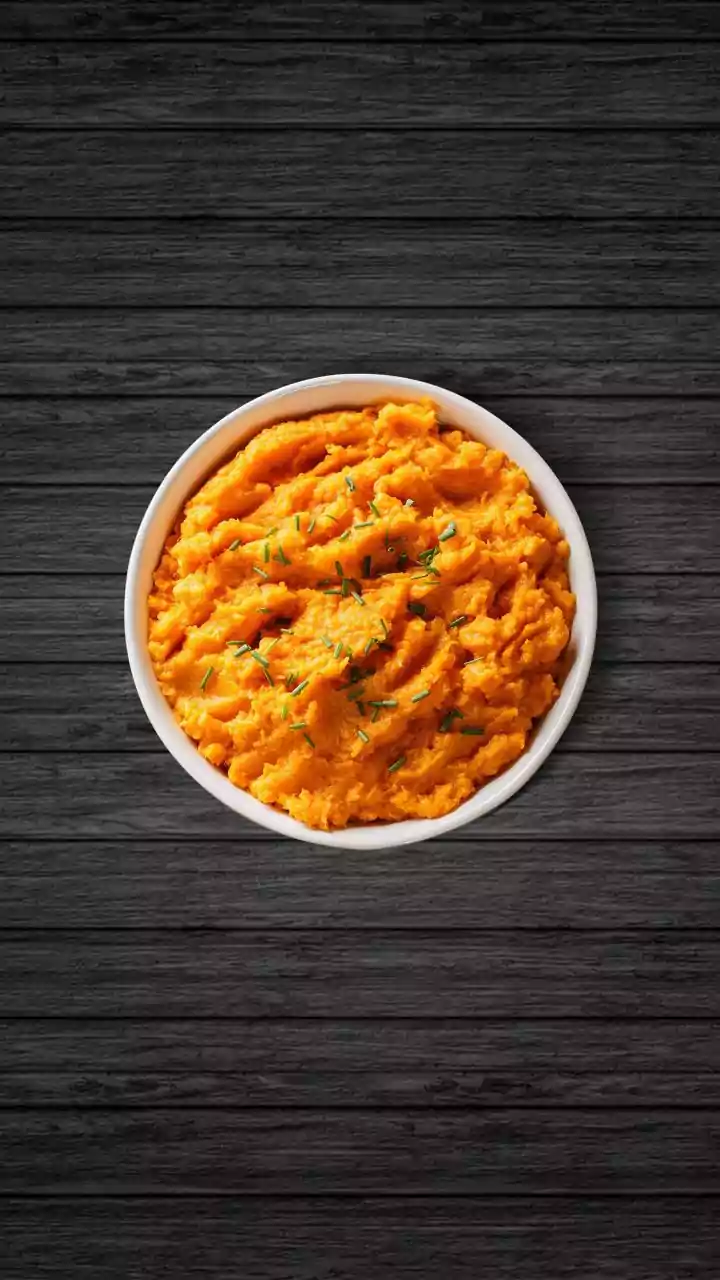
Your ideal texture is the biggest factor in this decision. Roasting, with its longer, slower cooking time, breaks down the potato's structure more thoroughly, creating a meltingly soft and creamy interior. This makes roasted sweet potatoes perfect for mashing, puréeing, or simply enjoying as a pillowy-soft side dish. For the best results, ensure your cubes are cut to a uniform size and spread in a single layer on the baking sheet to prevent steaming. Pan-cooking, on the other hand, excels at creating a contrast in textures. The high, direct heat gives the edges a delightful crispness while the inside becomes just tender enough to be pleasant. This crisp-tender result is ideal for adding textural variety to salads, grain bowls, and stir-fries where you don't want the potato to become mushy.
Time and Effort: Hands-Off vs. Hands-On
While roasting takes longer—typically 30-45 minutes for cubes—most of that is inactive time. Once the potatoes are in the oven, you're free to prepare the rest of your meal with only a single flip halfway through cooking. This makes roasting ideal for meal prep and batch cooking. Pan-cooking is significantly faster, often taking less than 20 minutes from start to finish. However, this speed requires your full attention. To prevent the sweet potatoes from burning due to their high sugar content, you need to stir them frequently. It's a hands-on method that trades a longer, passive cook time for a shorter, more active one.
The Verdict: When to Choose Each Method
There is no single 'best' way; there is only the best way for the meal you're making. Choose roasting when: You want a deep, sweet, caramelized flavour. You desire a soft, creamy, or fluffy texture. You are making a side dish for a roast dinner, mashing the potatoes, or meal prepping for the week. The longer, hands-off cooking time fits your schedule. Choose pan-cooking when: You are short on time and need a quick side dish. You want a crisp-tender texture that holds its shape. You are adding the sweet potatoes to a breakfast hash, salad, stir-fry, or tacos. A hands-on, faster method is more convenient for you.