




India's roads are steadily turning electric. In October 2026, the country saw 37,049 new electric passenger vehicles sold, a stunning 76.47% jump from the previous year. This isn't just a number; it's a milestone. What's behind this charge?
Putting the Surge in Perspective
The October
sales figure marks a significant moment for India's automotive industry. While showing a modest 2.61% increase from September 2026, the massive 76.47% year-on-year growth is the real story. Last year, in October 2025, only 20,995 electric cars were sold. This leap means that EVs now constitute 7.3% of all new passenger vehicles, more than doubling their 3.5% market share from a year ago. This sustained, high-double-digit growth signals a fundamental shift in consumer preference and market maturity, moving EVs from a niche interest to a mainstream consideration for car buyers across the nation.
The Brands Leading the Charge
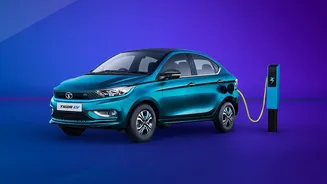
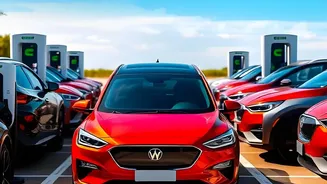
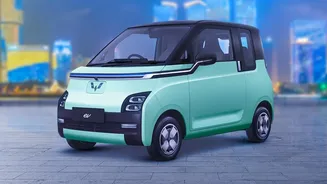
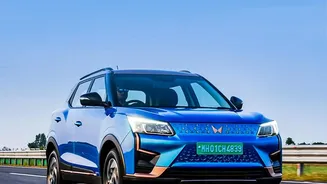
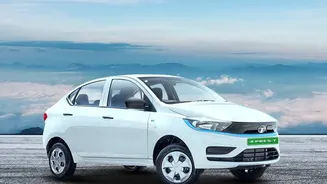
The market's expansion is largely driven by homegrown automakers. Tata Motors continues its reign as the market leader, retailing 14,669 EVs in October. This figure alone represents a 77.6% growth over its own sales from the previous year. Not far behind, Mahindra & Mahindra has aggressively secured the second spot with 8,538 units sold, an impressive 85.7% year-on-year growth, solidifying its position with a strengthening electric SUV portfolio. Together, these two Indian giants command over 62% of the entire EV market. JSW MG Motor, another key player, held onto the third position with 5,939 units sold. The data shows a market that is both expanding and becoming more competitive, with new models from companies like VinFast and Maruti Suzuki also beginning to make their mark.
The Triple Boost: Policy, Price, and Product
This sales boom isn't happening in a vacuum. A confluence of factors is making EVs more attractive than ever. Government initiatives, such as the FAME (Faster Adoption and Manufacturing of Hybrid and Electric Vehicles) scheme and its successor, PM E-DRIVE, have played a crucial role. These schemes, along with state-level subsidies and road tax waivers, significantly lower the upfront cost of EVs. Furthermore, a 5% GST on EVs, compared to 28% or more on petrol cars, creates a massive price advantage. This financial support is coupled with a wider-than-ever range of models available. Carmakers are now offering EVs across various price points, from the accessible Tata Punch EV, which has seen immense success, to more premium offerings, catering to a broader spectrum of buyers.
Is Range Anxiety Finally Fading?
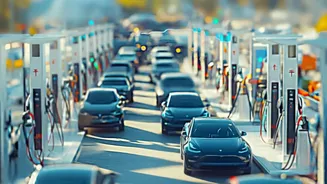
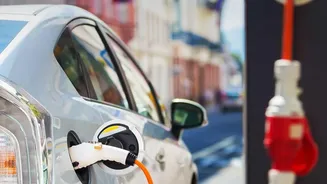
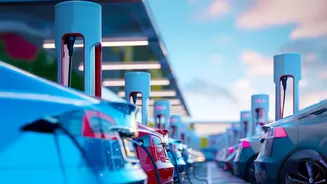
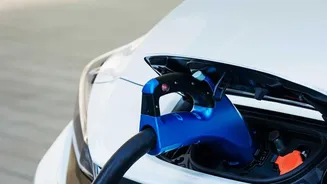
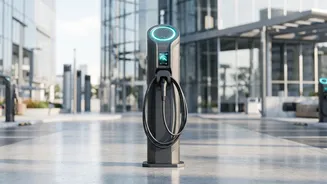
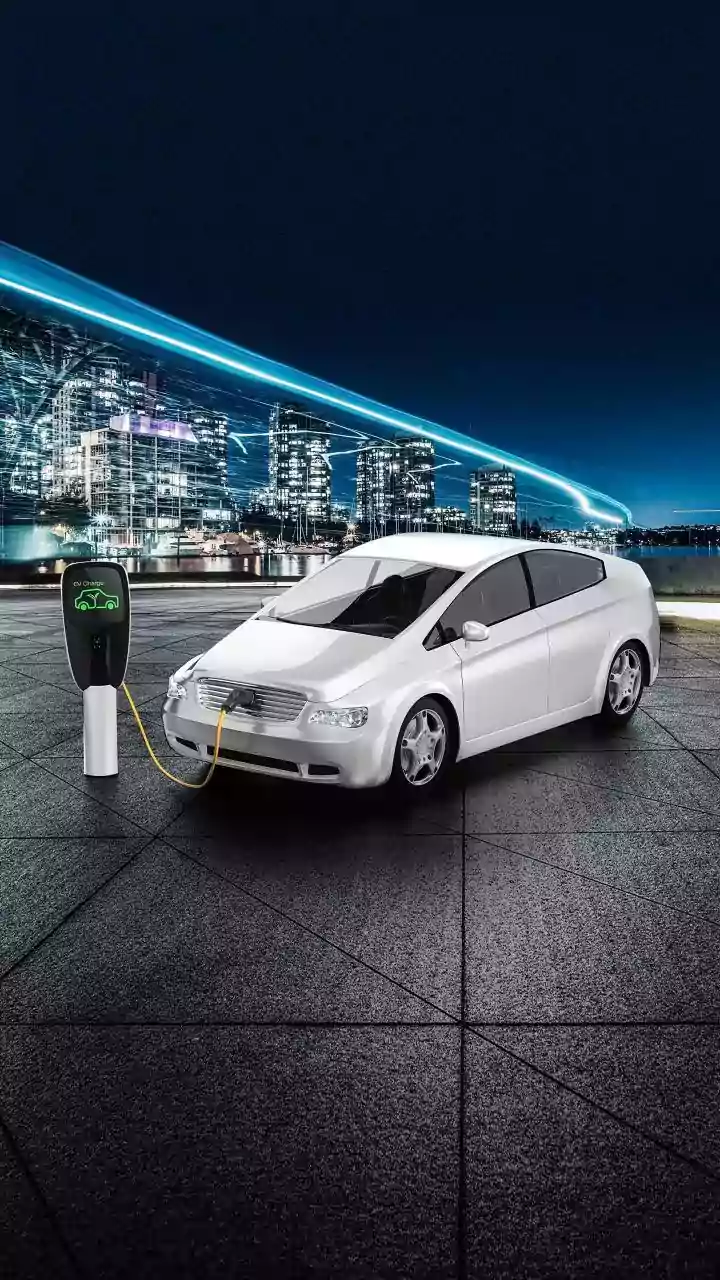
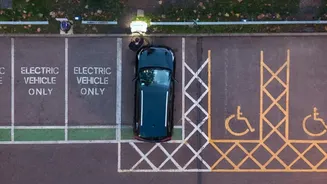
One of the biggest historical barriers to EV adoption has been 'range anxiety'—the fear of running out of power with no charging station in sight. This concern is beginning to ease as India's charging infrastructure rapidly expands. As of early 2026, the country had significantly increased its network of public charging stations, with a strong government push to add tens of thousands more by 2028 under the PM E_DRIVE scheme. Major public sector undertakings like HPCL are aggressively setting up chargers at their fuel outlets, with a focus on installing DC fast chargers along major highways. With an estimated need for 25,000 additional fast chargers over the next three years to keep pace with sales, the race is on. While there's still a long way to go, the visible growth in charging points is giving more consumers the confidence to make the switch.
The Road Ahead: Hurdles Remain
Despite the celebratory sales figures, the journey is far from over. The upfront cost of an EV, even with subsidies, remains higher than its internal combustion engine (ICE) counterpart for many models. The reliability and uptime of public chargers are persistent issues that need addressing. Furthermore, the supply chain for critical components like batteries is still developing, and the electricity powering these 'green' cars needs to come from greener sources to maximize the environmental benefits. The industry is also witnessing intensified competition, which, while great for consumers, will pressure manufacturers on margins and innovation. The October surge is a powerful indicator of progress, but sustaining this momentum will require continued focus on solving these core challenges.