

An Unexpected Culinary Mashup
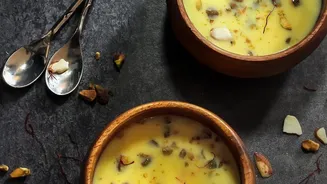
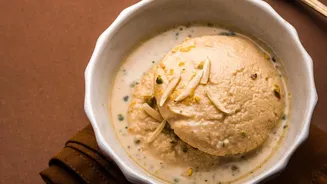
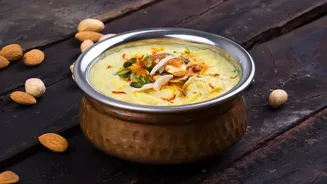
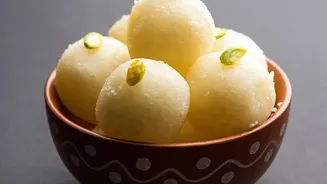
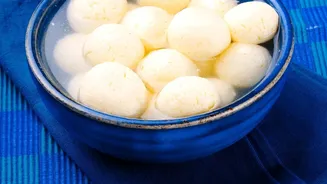
At first glance, Sabudana Rasmalai seems like an unlikely pairing. Traditional rasmalai features soft, flattened discs of chenna (a fresh, unripened cheese) soaked in a sweet, creamy, cardamom-scented milk rabri. Sabudana, or tapioca pearls, is most famous
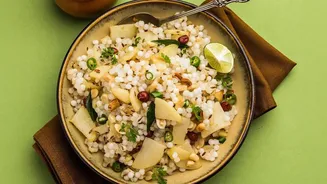
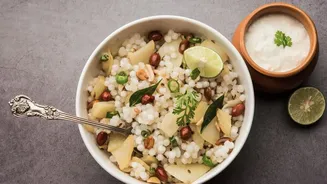
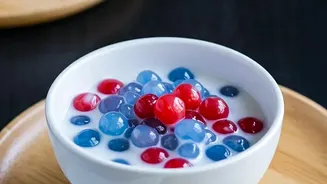
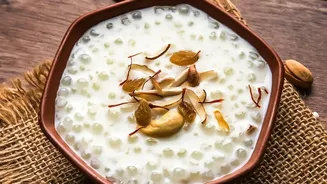
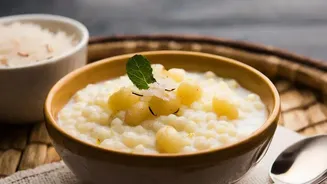
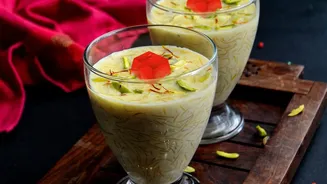
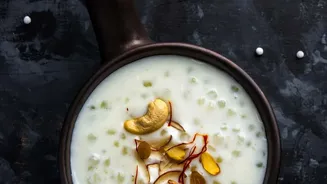
for its role in fasting dishes like khichdi and kheer, celebrated for its chewy, starchy texture. The fusion dessert creatively substitutes the classic chenna patties with ones made from cooked and shaped sabudana. These pearly, translucent cakes are then submerged in the familiar chilled rabri, creating a dish that is both recognisable and entirely new. This trend is part of a larger movement in Indian culinary arts, where chefs and home cooks are reimagining traditional sweets in modern forms, such as Gulab Jamun Cheesecake and Gajar Halwa Truffles.
The Allure of Novelty and Texture
The primary appeal of Sabudana Rasmalai is its inventiveness. It takes two well-known components of the Indian palate and combines them to create a surprising new experience. The textural contrast is a major part of its charm. Instead of the spongy, delicate bite of chenna, the sabudana version offers a soft, slightly gelatinous, and chewy sensation. This unique mouthfeel is what makes it a culinary curiosity worth trying. It’s a playful twist on a classic, transforming a dessert many have known for years into something that feels fresh and exciting. The dish thrives on this element of surprise, offering a new way to enjoy familiar flavours like saffron, cardamom, and pistachio-laden milk.
Deconstructing the 'Health' Halo
Sabudana is often associated with fasting and light eating, which can sometimes create a misplaced health halo around it. While it's gluten-free and easy to digest, sabudana is nutritionally composed almost entirely of carbohydrates and starch, making it a source of quick energy but offering very little protein, fibre, or essential vitamins. A 100-gram serving contains around 87 grams of carbs and only about 0.2 grams of protein. On the other hand, traditional rasmalai, with its base of milk and chenna, provides a moderate amount of protein and calcium, but is also typically high in sugar and fat. A 100g serving of rasmalai can contain around 160-250 calories and significant sugar content. Combining sabudana with the rich, sweetened milk of rasmalai does not create a low-calorie or 'healthy' dessert. The result is a dish that is dense in both carbohydrates and sugar.
Enjoy It for What It Is: A Treat
The verdict on Sabudana Rasmalai is clear: its value is in its creativity, not its nutritional benefits. It should be viewed and enjoyed as a dessert—a treat for a special occasion rather than a dietary staple. Labelling it as 'healthy' because it contains sabudana is a misunderstanding of its core ingredients. The dish remains a sweet indulgence, defined by the rich rabri it's served in. The substitution of chenna with sabudana primarily changes the texture and adds more carbohydrates, without fundamentally altering its profile as a high-calorie sweet. Think of it as an inventive experiment, much like a brownie sundae or a croissant-muffin hybrid; its purpose is to delight the senses, not to tick nutritional boxes.