





The Current Bloom: A 2026 Surprise
To clear up the confusion: yes, Neelakurinji is currently blooming in parts of Munnar as of September 2026. However, this is not the famous, landscape-engulfing event that occurred in Eravikulam National Park in 2018. The Western Ghats host different
populations of the Strobilanthes kunthiana shrub, and not all follow the same 12-year clock. The current spectacle is concentrated around the hills of Chokramudi, Mattupetty, and Korandakadu. This specific plant population last flowered in 2014, making 2026 its scheduled year to burst into colour. So, while it is a genuine and beautiful bloom, it is a separate, more localised event than the one anticipated for 2030, which will cover the famous slopes of Eravikulam.
What Exactly Is Neelakurinji?
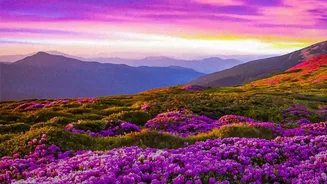
Neelakurinji, or Strobilanthes kunthiana, is a shrub native to the high-altitude shola grasslands of the Western Ghats. Its name comes from the Malayalam and Tamil words 'Neela' (blue) and 'Kurinji' (flower). The plant is what is known as a plietesial, a species that flowers at long intervals. Most famously, it follows a 12-year cycle of gregarious flowering. This means that for over a decade, the plants grow vegetatively before all flowering in synchrony, setting seed, and then dying. This mass blooming creates an overwhelming visual spectacle, but it's also a survival strategy, producing so many seeds at once that predators cannot consume them all, ensuring the next generation can take root. The Nilgiri Mountains, which literally means 'Blue Mountains', are believed to have been named after the breathtaking sight of these slopes covered in Neelakurinji.
The Deeper Meaning: Culture And Ecology
The Neelakurinji is far more than just a pretty flower; it is deeply woven into the cultural and ecological fabric of the region. For the indigenous Paliyan tribal community of the Western Ghats, the bloom has historically been used as a way to calculate their age. Its appearance is also a vital ecological event. The mass flowering provides a sudden, abundant source of nectar for native bees and other pollinators, leading to the production of a highly prized 'Kurinji honey'. The plant itself is an indicator species, meaning its health and presence reflect the overall health of the fragile shola grassland ecosystem. Its survival is intrinsically linked to the preservation of these high-altitude landscapes, which are threatened by habitat loss and tourism pressure. In recognition of its importance, the species is now listed as threatened on the IUCN Red List.
How To See The 2026 Bloom Responsibly
For those hoping to witness the current bloom, the peak viewing window is from late August through September and potentially into October 2026. The main areas to focus on are the Chokramudi and Mattupetty-Korandakadu hills near Munnar. Authorities have opened designated viewing areas at Chokramudi to manage the influx of visitors. It is crucial for tourists to act responsibly. The shola grasslands are a fragile ecosystem. Visitors must stick to designated paths to avoid trampling the plants, which are a protected species. Plucking or uprooting the flowers is strictly prohibited. Supporting local businesses and respecting the community's connection to this natural heritage ensures that tourism remains a positive force. Remember, the flowers seen in 2026 at Chokramudi will not return until around 2038, making this a fleeting and precious event.