








The Heart of the Dispute: A GI Tag
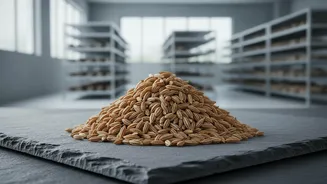
A major conflict has recently erupted between farmers in Gujarat and Rajasthan over two of India's most common spices: cumin (jeera) and fennel (saunf). The controversy ignited when the Agricultural Produce Market Committee (APMC) in Unjha, a town in Gujarat's
Mehsana district, was granted Geographical Indication (GI) tags for 'Unjha Jeera' and 'Unjha Fennel'. A GI tag is a form of intellectual property that identifies a product as originating from a specific geographical location, implying a certain quality or reputation. While this was celebrated in Gujarat as a move to protect the brand value of its spices, it caused immediate backlash from farmers in Rajasthan.
Rajasthan's Argument: We Grow It, Unjha Sells It
Farmers and agricultural groups in Rajasthan argue that the GI tag is misleading. They contend that Unjha is primarily a massive trading and processing hub, not the main cultivation area for these spices. Rajasthan is one of India's largest producers of cumin and fennel. Due to market proximity and superior infrastructure, a significant portion of this produce is transported to the Unjha APMC for sale. Rajasthani farmers state, “Jeera ki kheti hum karte hain, Unjha toh sirf mandi hai” (we cultivate cumin, Unjha is just a market). Their fear is that the GI tag gives Unjha legal ownership over a brand identity that is built on crops grown elsewhere, potentially allowing traders to devalue their produce and market it as inferior.
Unjha's Position: A Hub of Value and Commerce
From the perspective of traders and authorities in Unjha, the market's role is central to the spice economy. The Unjha APMC is one of Asia's largest spice markets, attracting buyers from across India and the world. They argue that the value of 'Unjha Jeera' comes not just from where it's grown, but from the cleaning, grading, processing, and packaging that happens within the Unjha ecosystem. For decades, the market has built a reputation for quality control and has become a price-setter for these commodities. Supporters of the GI tag believe it recognizes this entire value chain and Unjha's long-standing reputation in global trade. The APMC Chairman noted that the tag is expected to boost the products' global reputation, leading to better returns for both farmers and traders.
The Economic Stakes and Broader Implications
The conflict goes beyond just a name. It touches on the core economics of agricultural branding. A GI tag can create a premium for a product, but the question is who benefits from that premium. Rajasthan farmers worry they will be pushed to accept lower prices for their non-tagged produce, while their crops are ultimately sold under the newly protected 'Unjha' brand. This dispute highlights a wider challenge within India's GI framework: how to assign geographical ownership when a product is grown in one state but gains its commercial identity in another. Farmer groups from Rajasthan have formally submitted objections to the GI Registry, seeking a revocation of the tags.