



The Philosophy: Control vs. Intensity
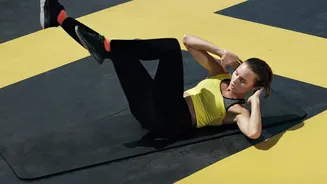
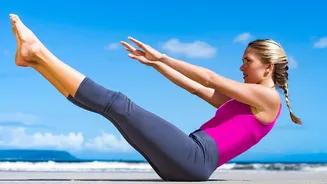
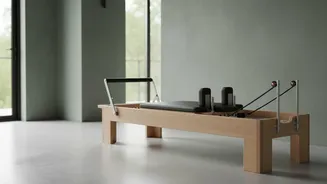
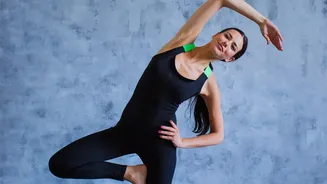
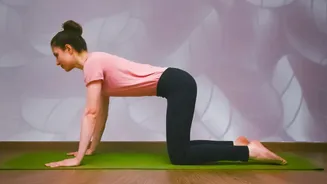
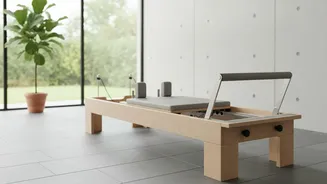
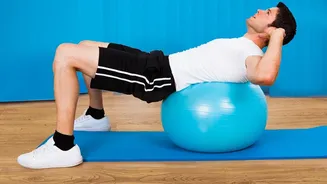
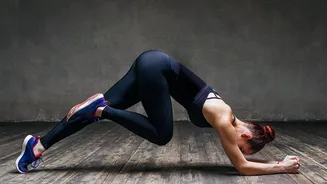
Pilates is a low-impact exercise method built on the principles of control, precision, and concentration. It focuses on strengthening the deep, stabilising muscles of your core, including the pelvic floor and transverse abdominis, through slow, deliberate
movements synchronised with your breath. The goal is to build strength from the inside out, improving posture, balance, and body awareness. Circuit training, on the other hand, is a high-intensity workout style. It involves performing a series of different exercises in quick succession with minimal rest in between. These circuits typically combine strength training and cardiovascular exercises to work the entire body, elevate your heart rate, and maximise calorie burn in a short amount of time.
The Strength Showdown
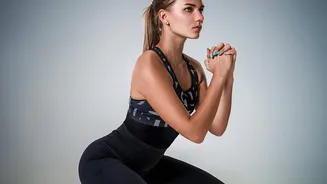
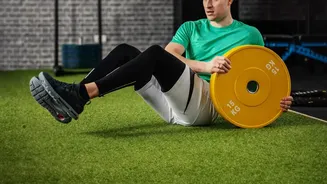
When it comes to strength, the two workouts deliver different kinds. Pilates excels at building deep core stability and muscular endurance. By focusing on controlled movements, it teaches your body to activate the correct core muscles, which is crucial for supporting your spine and preventing injury. This leads to better functional strength for everyday movements. Circuit training is more geared towards building overall muscular strength and power. By incorporating resistance exercises like squats, lunges, or dumbbell presses, it can stimulate muscle growth (hypertrophy) more directly than bodyweight-focused Pilates. While circuits can and do include core-specific exercises, the primary focus is often on total-body strength and conditioning.
The Quest for ‘Tonal Results’
The “toned” look that many people seek is a combination of visible muscle definition and a relatively low level of body fat. Both workouts can help you achieve this, but through different mechanisms. Circuit training has a distinct advantage in the calorie-burning department. Its high-intensity nature keeps your metabolism elevated during and after the workout, which is highly effective for fat loss. As fat is reduced, the muscle built through the strength components of the circuit becomes more visible. Pilates contributes to a sculpted appearance by developing long, lean-looking muscles and dramatically improving posture. While it typically burns fewer calories per session than a high-intensity circuit, its focus on muscle engagement and alignment can create a defined, graceful physique.
Who Should Choose Pilates?
Pilates is an excellent choice if your primary goals are to improve posture, increase flexibility, and build deep foundational core strength. It’s a low-impact option, making it ideal for those recovering from injury, experiencing joint pain, or just starting their fitness journey. If you want to feel more connected to your body, stand taller, and develop a lean, sculpted look without adding bulk, Pilates will serve you well. It is also a fantastic complementary workout for athletes and weightlifters looking to improve stability and movement efficiency.
Who Should Choose Circuit Training?
If your main objective is fat loss, overall strength gain, and improved cardiovascular health in a time-efficient manner, circuit training is likely the better fit. This style of workout is perfect for those who get bored easily, as the variety of exercises keeps things engaging. If you enjoy a fast-paced, high-energy environment and want to see noticeable changes in both your strength and body composition, the combination of cardio and resistance in circuit training delivers powerful results.