







Why Bother Rotating Grains?
For generations, Indian diets have heavily relied on wheat and rice. While these are excellent sources of energy, relying on just one or two grains can lead to a monotonous diet and a narrower range of nutrients. Diversifying your grain intake is similar
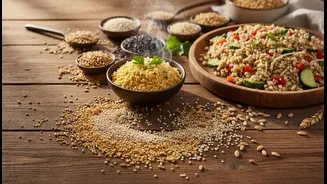
to diversifying an investment portfolio; it spreads the benefits and reduces risks. Different grains offer unique nutritional profiles. By rotating them, you provide your body with a wider spectrum of vitamins, minerals, and essential amino acids. This practice can lead to improved gut health by feeding different beneficial gut bacteria, better blood sugar regulation, and increased satiety, which aids in weight management.
Jowar (Sorghum): The All-Rounder
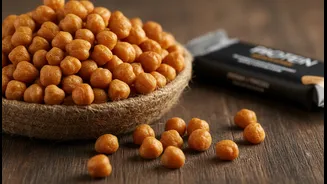
Jowar is a fantastic and versatile gluten-free grain that can be enjoyed year-round. It is particularly celebrated for being high in dietary fibre, protein, and B-vitamins. This combination helps in promoting a feeling of fullness, which can assist with weight management. Its low glycaemic index makes it a great option for those keeping an eye on their blood sugar levels. In the kitchen, jowar flour can be easily used to make soft bhakris or rotis, which pair beautifully with any sabzi or dal. You can also use it to make porridge or even pop the grains like popcorn for a healthy snack. Price-wise, jowar is often comparable to or only slightly more expensive than whole wheat, making it an accessible first step into grain rotation.
Bajra (Pearl Millet): The Winter Powerhouse
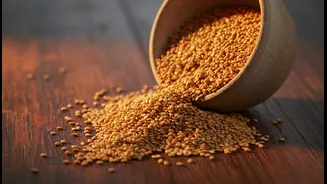
Bajra is a dense, nutrient-rich millet that is traditionally consumed during the winter months for its warming properties. It is a true powerhouse of nutrition, packed with iron, magnesium, and protein. Its high fibre content aids digestion and contributes to heart health. While bajra rotis are a staple in states like Rajasthan and Gujarat, this grain is incredibly versatile. You can use its flour to make khichdi, porridge, or even mix it with buttermilk for a cooling summer drink, challenging its winter-only reputation. Though its market price can fluctuate, it generally remains an affordable alternative, especially when purchased from local markets.
Ragi (Finger Millet): The Calcium Champion
Often called the “calcium powerhouse,” ragi is one of the best plant-based sources of this vital mineral, making it excellent for bone health. It is also rich in iron and fibre. Due to its impressive nutritional profile, ragi is a popular choice for everyone from growing children to adults. It is gluten-free and easy to digest, making it a gentle grain for those new to millets. Ragi can be used to make everything from dosas and rotis to porridge (ragi malt) and even baked goods like cookies and cakes. Its flour has a distinct reddish-brown colour and a unique, earthy flavour. Like other millets, its price is competitive, ensuring you get a high nutritional return for your investment.
Making the Switch Without the Pinch
The perception that alternative grains are expensive can be a barrier. While some speciality grains can be pricey, traditional Indian millets are often very affordable. The key is to know where to look. Buying from local kirana stores or directly from farmers' markets is often cheaper than purchasing from large supermarkets. The supply chain for millets is not as optimised as it is for rice and wheat, which can sometimes affect the price, but this is changing. To make the transition easier on your palate and your wallet, start small. Begin by mixing millet flour with your regular wheat atta to make multigrain rotis. Try substituting rice with a millet like foxtail or kodo millet in one meal per week. This gradual approach allows your family to get accustomed to the new tastes and textures while you discover the versatility of these ancient grains.