



A Foundation for the Future
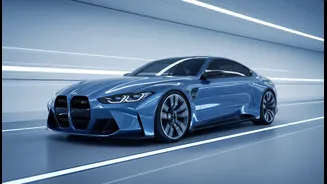
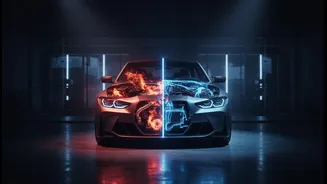
The answer from Munich begins with a nameplate resurrected from its past: 'Neue Klasse' (New Class). This isn't just a new model, but a complete ground-up rethinking of what a BMW can be. The Neue Klasse is a dedicated electric vehicle platform that will
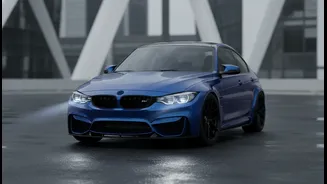
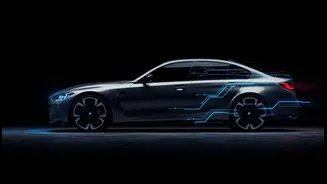
underpin the next generation of BMWs, including the much-anticipated, fully electric successor to the M3 performance sedan, expected around 2027. Unlike some earlier EVs that retrofitted batteries into existing chassis, the Neue Klasse is a purpose-built architecture. It features an advanced 800-volt system for rapid charging and a new generation of more energy-dense batteries, promising impressive range and efficiency. But for a performance brand, the real revolution lies in the software and control systems that manage the power.
The 'Heart of Joy'
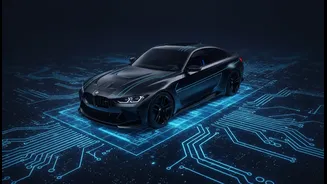
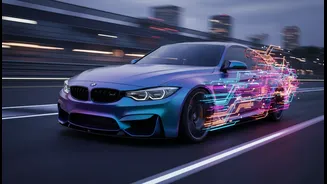
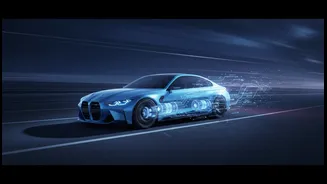
At the core of the Neue Klasse's performance credentials is a new, centralized super-computer that BMW has poetically named the 'Heart of Joy'. This single, powerful control unit is a significant departure from previous systems where different computers managed the powertrain and driving dynamics separately. The 'Heart of Joy' integrates and controls everything that affects how the car feels—acceleration, braking, steering, and traction—processing information up to ten times faster than older systems. This leap in processing speed allows for incredibly precise and rapid adjustments. The system can manage power delivery to each individual wheel with millisecond-level accuracy, opening up new possibilities for agility, stability, and that elusive 'driving feel' that has long defined BMW's M cars. It’s a system designed not just for speed, but for a harmonious and intuitive connection between driver and machine.
Composing the Sound of Speed
A crucial piece of the heritage puzzle is sound. Without the mechanical crescendo of a combustion engine, how does a driver connect emotionally with the car's performance? To solve this, BMW has collaborated with none other than Academy Award-winning film composer Hans Zimmer. Together, they have created 'BMW IconicSounds Electric', a suite of synthesized sounds that respond to driver inputs. The goal isn't to simply fake the noise of a petrol engine, which engineers say can feel inauthentic. Instead, the soundscapes are designed to accentuate the emotional experience, providing audible feedback that reflects the car's speed and power delivery. In Comfort mode, the sound might be subtle and immersive, but switch to a sportier setting, and it builds in intensity, providing a futuristic yet visceral sensation that helps the driver gauge speed and connect with the car's performance.
More Than Just Raw Power
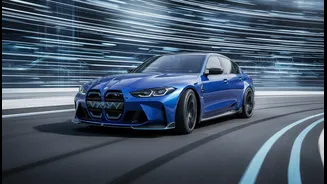
While early glimpses of the electric M concept suggest a quad-motor setup with potentially staggering horsepower, BMW executives insist they are not interested in a pointless numbers game. The focus, they say, is on usable, repeatable performance and classic M driving dynamics. The 'Heart of Joy' controller is key here, enabling finely tuned torque vectoring and even simulated gear shifts. These 'stepped' progressions in acceleration are designed to give drivers a better sense of speed and control, rather than one relentless, undifferentiated surge of power. It's about translating the instant torque of electric motors into a dynamic experience that is thrilling in the corners, not just in a straight line. By focusing on chassis balance, steering feedback, and intelligent power control, BMW aims to prove that its electric M3 will be a true driver's car, upholding a legacy born on the racetrack.