

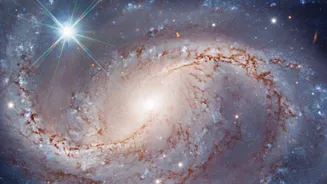
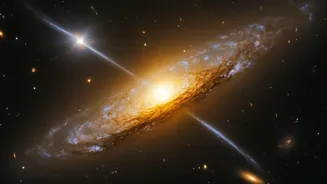
A Trio of Galactic Tales
On August 10, 2026, NASA's Astronomy Picture of the Day presented a captivating view of the Centaurus Galaxy Cluster, featuring three distinct galactic pairings in a single frame. Captured by an astrophotographer, the image serves as a powerful visual
lesson in galactic dynamics. Each pair tells a different story: one of a past collision's aftermath, one of a close pass that isn't what it seems, and one of an active merger that will forge a new, single galaxy in the distant future. By observing these different states, astronomers can piece together the lifecycle of galaxies, understanding how they grow, change, and evolve over billions of years.
The Aftermath and The Deception
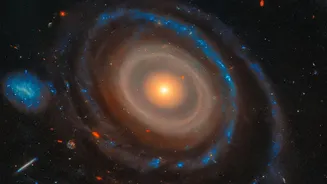
The top pair in the image showcases a galaxy with a peculiar blue stripe, identified as NGC 4650A. This feature is a polar ring—a structure of gas, dust, and stars orbiting the galaxy's poles—which astronomers believe is the remnant of a past galactic collision. Its neighbor appears close, but they are likely not interacting at present. The middle pair presents a different kind of cosmic story. At first glance, NGC 4650 and its smaller companion look like they are gravitationally entwined. However, analysis of their relative speeds suggests this is an illusion of perspective; they are unlikely to be interacting. This serves as a crucial reminder that in the vastness of space, proximity doesn't always mean connection.
A Merger in Real Time
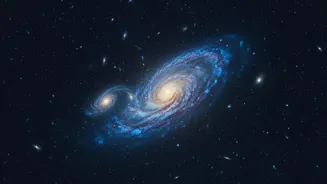
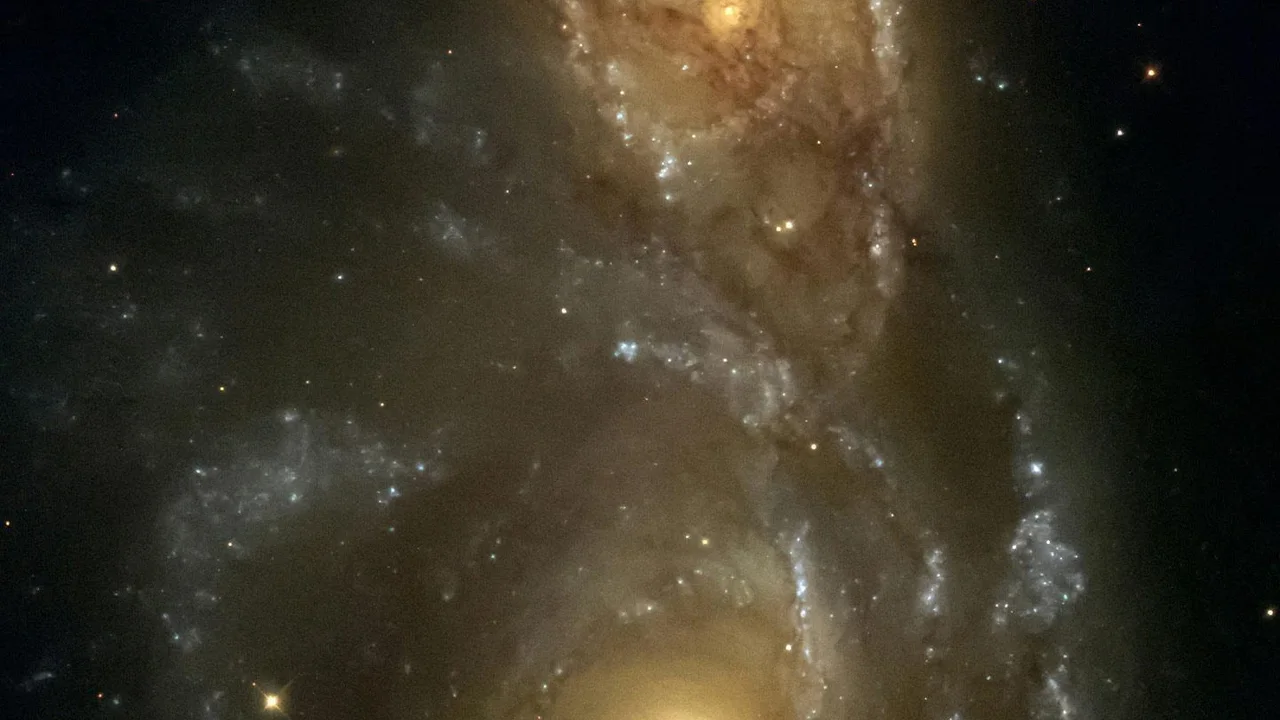
The main event is at the bottom of the image, where the galactic pair NGC 4622A and NGC 4622B are actively interacting. Pulled together by immense gravitational forces, these two galaxies are in the slow-motion process of merging. Over the next billion years or so, they will continue to dance around each other, tearing away streams of stars and gas before finally coalescing into one larger galaxy. This process of galactic merger is a fundamental force of cosmic evolution. Such collisions can trigger frenzied bursts of star formation, known as starbursts, creating new stars at a rate far exceeding that of a quiet galaxy like our own Milky Way.
Why These Interactions Matter
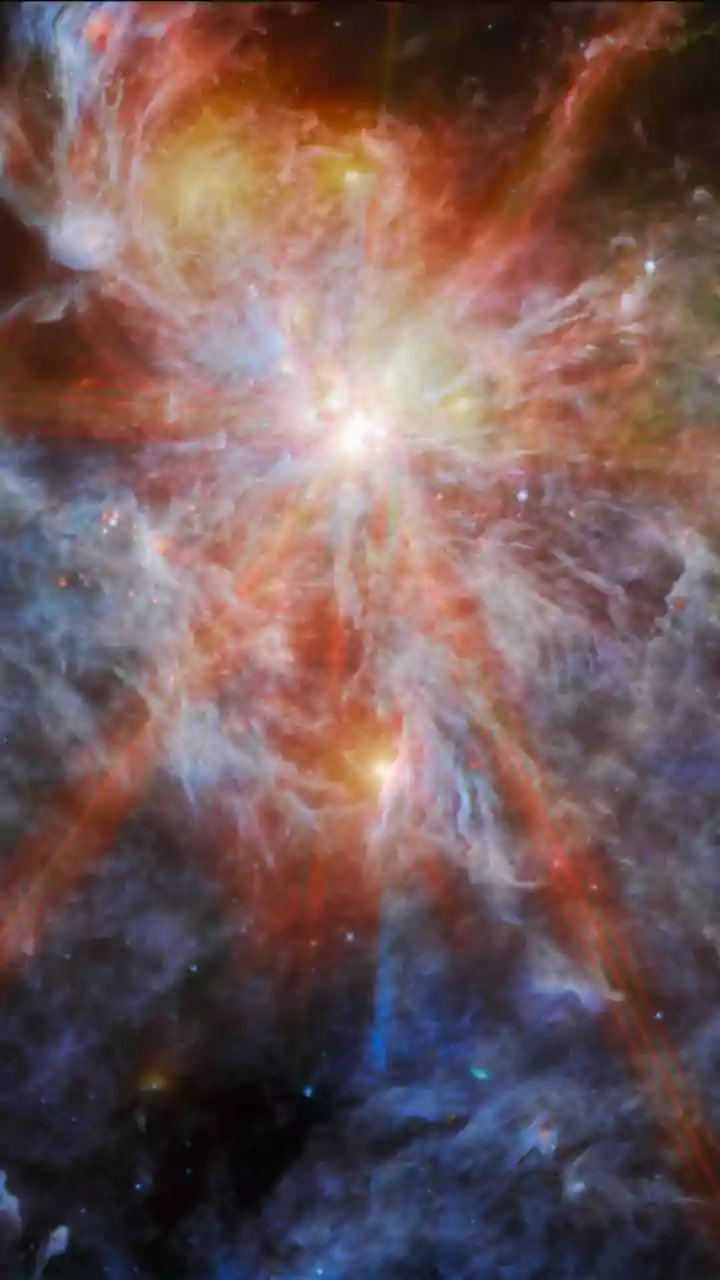
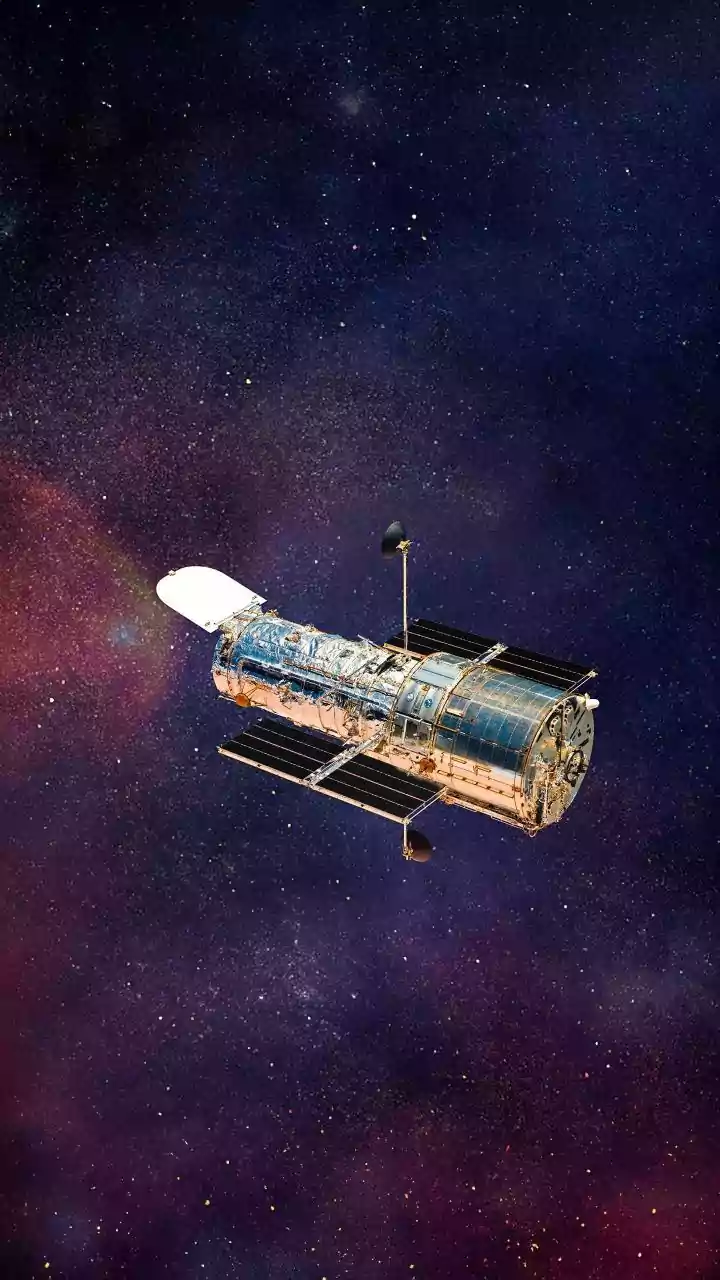
Studying interacting galaxies isn't just about capturing beautiful images. These events are cosmic laboratories that help scientists understand the universe's history and future. The tidal tails of stars and gas pulled from colliding galaxies, like those seen in systems such as Arp 72, reveal the power of gravity on a colossal scale. Instruments on the Hubble and James Webb Space Telescopes are crucial for this work. Webb, with its infrared sensitivity, can peer through the thick dust that often shrouds the cores of merging galaxies, revealing the bright, compact centers where supermassive black holes may be forming. These observations provide a blueprint for events across the cosmos, including the future of our own galaxy. The Milky Way is on a collision course with the neighboring Andromeda galaxy, set to merge in about 4.5 billion years.