




The Unstable Water Towers
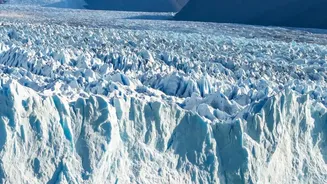
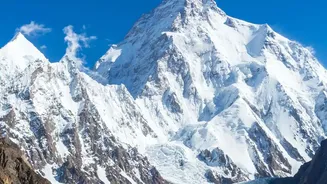
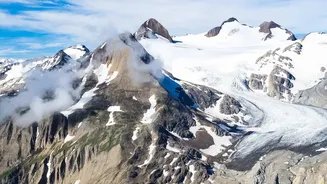
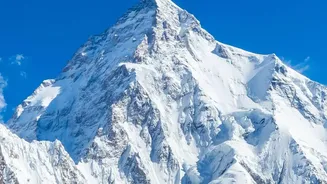
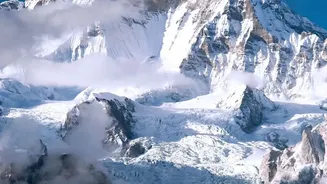
The Hindu Kush Himalaya region is often called the 'Third Pole' for its vast ice fields. These glaciers are the source of major rivers that provide water for nearly two billion people. However, these vital water towers are becoming dangerously unstable.
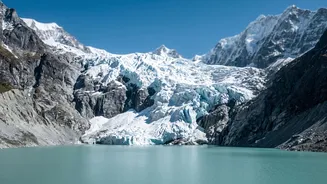
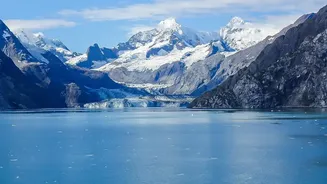
As global temperatures rise, glaciers are retreating at an alarming rate, giving birth to thousands of new glacial lakes and causing existing ones to expand. Meltwater collects behind natural dams made of moraine—a loose jumble of rock, soil, and ice left behind by retreating glaciers. These natural dams are often weak and unpredictable, turning the serene-looking lakes into ticking time bombs.
The Anatomy of a GLOF
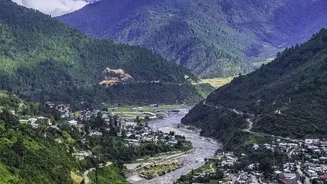
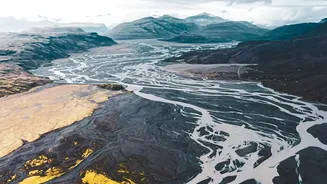
The primary danger is a Glacial Lake Outburst Flood, or GLOF. This is not a slow, seasonal flood; it is a sudden, violent event. A GLOF occurs when the fragile moraine dam fails. This failure can be triggered by a number of factors, including a rock or ice avalanche crashing into the lake, an earthquake, or simply the immense pressure of the growing body of water. When the dam breaches, a massive volume of water is released in minutes or hours, creating a torrent that barrels down steep mountain valleys at high speed, carrying with it boulders, sediment, and debris. These floods can be an order of magnitude larger than regular river discharges, destroying everything in their path—homes, bridges, roads, and hydropower plants.
A Clear and Present Danger for India
This threat is not theoretical. The 2021 disaster in Chamoli, Uttarakhand, where a glacier collapse triggered a flood that killed over 200 people and destroyed two power projects, was a grim reminder of the region's vulnerability. More recently, the catastrophic GLOF at Sikkim's South Lhonak Lake in October 2023, which had been identified as a high-risk site for years, resulted in dozens of deaths and widespread devastation. National agencies have identified hundreds of vulnerable glacial lakes across Himalayan states like Himachal Pradesh, Sikkim, and Uttarakhand. In Himachal alone, 67 glacial lakes are considered vulnerable, prompting the state to begin planning for early warning systems. An estimated 15 million people globally are exposed to GLOF risks, with a significant number living in India.
Technology as a Lifeline
While stopping glaciers from melting requires long-term global climate action, early warning systems (EWS) offer a practical, immediate way to save lives. These systems use a combination of technologies to monitor high-risk lakes in real time. Sensors can track changes in water level, while seismic monitors can detect ground vibrations from avalanches or dam instability. This data is transmitted via satellite to a control centre. If trigger points are crossed, automated alerts in the form of sirens, SMS messages, and public announcements can be sent to downstream communities, providing crucial lead time—sometimes only minutes, but minutes that can make the difference between life and death.
The Challenges on the Ground
Implementing these systems is a formidable challenge. Many of these high-risk lakes are in extremely remote, high-altitude locations with no network connectivity and difficult terrain, making sensor installation and maintenance a major hurdle. Furthermore, a successful EWS is more than just technology; it requires end-to-end connectivity that ensures the warning reaches the last mile. This involves creating clear communication channels, establishing pre-defined evacuation routes, and training local communities to respond effectively. Budgetary constraints and procedural delays in deploying funds for mitigation projects also pose significant obstacles. Despite these issues, efforts are underway. India has deployed its first GLOF early warning system in Sikkim and is testing others in Himachal Pradesh.