





The 'Best-Before' Date: A Mark of Quality
The 'Best-Before' date is all about quality, not safety. As per the Food Safety and Standards Authority of India (FSSAI), this date indicates the period during which the food will retain its optimal flavour, texture, and nutritional value. Think of it as
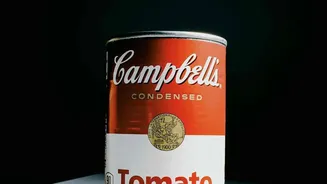
the manufacturer's guarantee of peak freshness. Foods like biscuits, canned goods, cereals, and spices often carry a 'Best-Before' date. You can safely consume these items after the date has passed, although their quality might have slightly diminished. For instance, a biscuit might be less crisp or a spice might have a milder aroma, but it is not necessarily unsafe to eat. This distinction is crucial for preventing unnecessary food waste.
The 'Use-By' or 'Expiry' Date: A Guide for Safety
This is the date to take seriously. The 'Use-By' or 'Expiry' date is about safety and marks the last day a food is considered safe to eat. After this date, the food could be unsafe, even if it looks and smells perfectly fine. This is because harmful bacteria that you cannot see, smell, or taste can grow to dangerous levels. This label is typically found on highly perishable items such as fresh meat, packaged dairy products like milk and paneer, and ready-to-eat salads. FSSAI is clear: never consume food after its 'Use-By' or 'Expiry' date has passed, as it may cause health hazards.
The 'Packed-On' Date: Tracing a Product's Journey
The 'Date of Manufacture' (Mfg. Date) or 'Date of Packaging' tells you when the food was made or packed. This date serves as the starting point for its shelf life and helps you gauge the freshness of a product. For many items, the 'Best-Before' or 'Use-By' date is calculated from this manufacturing date. For example, a product manufactured in July with a 'Best Before' period of three months is best consumed before October. While less critical for immediate consumption decisions, it’s a useful piece of information that provides transparency about how long a product has been on the shelf.
Beyond the Label: Trust Your Senses
While date labels are important guides, they aren’t the only tool you have. For foods past their 'Best-Before' date, your own senses are invaluable. Before eating, always inspect the food. Look for signs of spoilage like mould, a change in colour, or a damaged package. Smell the food for any off odours. If a dairy product smells sour or a packaged item has a strange scent, it’s best to discard it. A slimy texture on meats or vegetables is another clear warning sign. The old adage holds true: when in doubt, throw it out. But for quality-related dates, a quick sensory check can prevent perfectly good food from going to waste.
Smart Shopping and Reducing Food Waste
Understanding these labels empowers you to be a smarter shopper and a more conscious consumer. By knowing that 'Best-Before' relates to quality, you can avoid discarding food that is still perfectly edible, saving money and reducing household waste. When shopping, always check the dates. Pick products with a longer shelf life if you don't plan to use them immediately. Proper storage is also key; refrigerating perishable items promptly and keeping pantry goods in cool, dry places can help them last until their indicated date and sometimes beyond. Following the storage instructions on the package is the best way to ensure food remains safe and at its best quality for as long as possible.