

The Himalayan Marvels
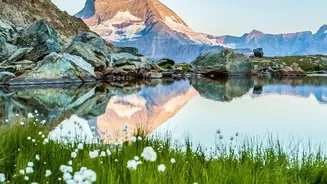
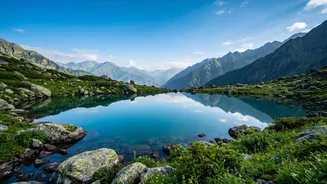
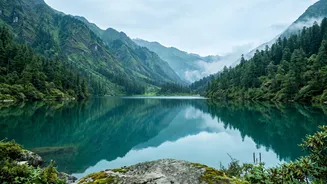
When you picture a mountain-framed lake, chances are you're imagining something from the mighty Himalayas. These high-altitude lakes are often born from glaciers, resulting in crystal-clear, frigid waters that reflect the surrounding snow-capped peaks
with stunning clarity. They are not just geographical wonders but are often steeped in spiritual significance, considered sacred by local communities. Visiting them is more than a trip; it's an adventure that often requires acclimatisation to the thin air, but the reward is a vista of unparalleled and often surreal beauty.
Pangong Tso, Ladakh: The Colour-Changing Wonder
Famously captured in Bollywood films, Pangong Tso is a high-altitude saline lake stretching from India to Tibet at over 14,000 feet. Its most mesmerising feature is its ability to change colours, shifting from azure blue to green and even grey throughout the day. Spanning 134 kilometres, only about a third of this boomerang-shaped lake lies in India. Surrounded by the rugged, barren mountains of the Changchenmo and Pangong ranges, its stark beauty is hypnotic. Despite being a saltwater lake, it freezes completely solid during the harsh winters, creating a vast, icy expanse.
Dal Lake, Kashmir: The Floating City
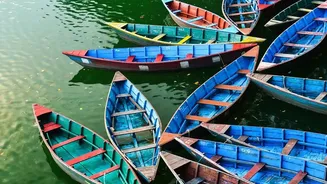
More than just a lake, Dal Lake is the cultural and historical heart of Srinagar. It’s famous for its traditional wooden houseboats, or 'shikaras', where visitors can stay and experience life on the water. With the majestic Pir Panjal mountains as a backdrop, the lake is a hub of activity. Floating markets for vegetables and flowers appear in the early mornings, creating a vibrant spectacle. Unlike the remote quiet of other Himalayan lakes, Dal Lake is a living, breathing ecosystem where commerce, daily life, and tourism gracefully coexist on its shimmering surface. A stay here offers a unique window into Kashmiri life and hospitality.
The Unspoiled Gems of Northeast India
Moving to the country's verdant eastern corner, the lakes of Northeast India offer a different kind of charm. Here, the water bodies are nestled amidst rolling green hills, dense forests, and unique cultural landscapes. They are vital to the local ecosystems and the communities that depend on them, offering tranquil escapes and fascinating natural phenomena found nowhere else in the world.
Tsomgo Lake, Sikkim: The Sacred Glacial Pool
Located at an elevation of 12,313 feet on the way to Nathula Pass, Tsomgo Lake, or Changu Lake, is a glacial lake revered by the Sikkimese people. Fed by melting snow from the surrounding mountains, its surface reflects different colours with the changing seasons, and Buddhist monks historically used to make prophecies based on its hue. The lake remains frozen during winter, surrounded by a snowy wonderland. During warmer months, the area is alive with blooming rhododendrons and primulas, and visitors can enjoy rides on colourfully decorated yaks along its banks.
Gurudongmar Lake, Sikkim: The High-Altitude Oasis
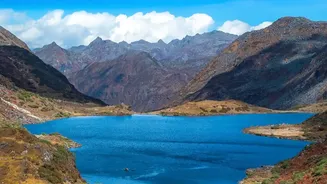
Situated at a breathtaking altitude of over 17,000 feet, Gurudongmar Lake is one of the highest lakes in the world. Considered sacred by both Buddhists and Sikhs, the lake is named after Guru Padmasambhava, who is said to have visited it. A fascinating legend explains why a portion of the lake never freezes, even in extreme winter: the Guru is believed to have touched that spot to provide a source of drinking water for the local people year-round. Its emerald-blue waters, set against a backdrop of stark, snow-dusted peaks near the Tibetan border, create a truly ethereal and spiritual atmosphere.
Loktak Lake, Manipur: The Lake of Floating Islands
Loktak Lake is the largest freshwater lake in Northeast India and is famous for its 'phumdis'—heterogeneous masses of vegetation, soil, and organic matter that float on its surface. These phumdis are so significant that the world's only floating national park, Keibul Lamjao National Park, is situated on the largest one. This park is the last natural refuge for the endangered Sangai, or brow-antlered deer. Fishermen live in floating huts on these islands, creating a unique human and ecological landscape. A boat ride through this 'miniature inland sea' reveals a way of life deeply intertwined with the lake's rhythms.
Umiam Lake, Meghalaya: The Man-Made Marvel
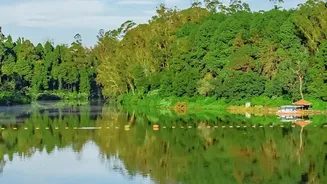
Known locally as 'Bara Pani' (Big Water), Umiam Lake is a vast reservoir formed in the early 1960s by damming the Umiam River. Though man-made for hydroelectric power, it has seamlessly blended into the landscape of the Khasi Hills. Surrounded by lush greenery, it has become a major tourist attraction and a popular spot for water sports like kayaking and boating. The scenic drive from Guwahati to Shillong offers a stunning first glimpse of the lake, making it an unmissable part of any trip to Meghalaya.