

The Creamy Conundrum
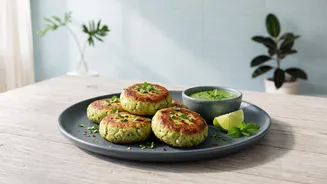
At first glance, avocado and paneer seem like a match made in culinary heaven. Both are celebrated for their soft, yielding textures and rich, mild flavours. However, when you mash them together to form a kebab patty, their best qualities become a structural
challenge. Avocado has a high moisture and fat content, which makes any mixture it's in incredibly soft and luscious. Paneer, especially when freshly grated, is also delicate. Combine the two without a proper binding strategy, and you get a mixture that’s too wet and loose to hold its shape. The moment it hits a warm pan, it’s prone to collapsing, leaving you with something closer to a scramble than a beautifully browned kebab.
Choosing Your Champion Binder
The hero of this story is the binding agent. Its job is to absorb excess moisture and create a structural web that holds the delicate ingredients together during cooking. You have several excellent options, each with its own unique properties. Roasted gram flour, or besan, is a classic choice in Indian cuisine for a reason; roasting it first removes the raw taste and enhances its nutty flavour and binding power. Breadcrumbs are another effective option, readily available and great at soaking up liquid to provide stability. For a gluten-free alternative, powdered rolled oats or even potato starch can work wonders. Some recipes even call for a small amount of mashed boiled potato, which adds both starch and structure. The key is to add just enough to make the mixture pliable and shapeable, but not so much that you mask the delicate flavours of the avocado and paneer.
Preparation is Everything
Success starts before you even begin mixing. First, address the paneer. If it seems watery, gently squeeze it in a muslin cloth or press it under a weight for a short time to remove excess moisture. For the avocado, choose one that is perfectly ripe—soft to the touch but not mushy or brown. An under-ripe avocado will leave hard chunks in your kebab, while an over-ripe one will be excessively watery. Once you’ve scooped out the flesh, mash it, but don’t puree it into a liquid. You want to retain some texture. For your spices, consider a gentle blend of cumin, garam masala, and perhaps some finely chopped green chillies for a bit of heat.
Mastering the Mix and Shape
When it's time to combine your ingredients, be gentle. Add the mashed avocado, grated paneer, your chosen binding agent, and spices to a bowl. Mix them with your hands just until everything is incorporated. Over-mixing can further break down the ingredients, making the mixture even softer and more difficult to handle. Once mixed, let the mixture rest in the refrigerator for about 20-30 minutes. Chilling the mixture helps it firm up, making the patties much easier to shape and less likely to fall apart during cooking. When you’re ready to cook, lightly oil your hands and gently form the mixture into small- to medium-sized patties. Don’t make them too large, as they will be harder to flip.
The Gentle Art of Pan-Cooking
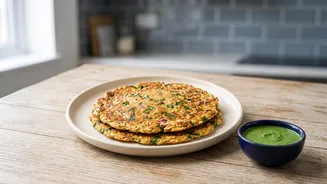
These are not the kind of kebabs you can aggressively flip and move around. Heat a non-stick pan over medium heat with a drizzle of oil. Once the pan is hot, carefully place the kebabs, ensuring you don’t overcrowd them. Let them cook undisturbed for 3-4 minutes on the first side until a golden-brown crust forms. This crust is crucial for stability. When it's time to flip, use a thin, wide spatula and be deliberate. Gently turn them once and cook for another 3-4 minutes on the other side. Avoid pressing down on the kebabs with your spatula, as this will squeeze out moisture and fat, making them dry and more likely to break.