

1. The Turmeric & Yogurt Glow-Getter
For centuries, turmeric has been a staple in beauty rituals for its brightening properties. Its active compound, curcumin, has antioxidant and anti-inflammatory effects that can help even out skin tone and give you a vibrant glow. Yogurt contains lactic
acid, a mild alpha-hydroxy acid (AHA) that gently exfoliates dead skin cells to reveal brighter skin underneath. To make the mask, mix one teaspoon of turmeric powder with two tablespoons of plain, unsweetened yogurt to form a smooth paste. Apply a thin, even layer to a clean face, avoiding the eye area. Let it sit for 10-15 minutes before rinsing with lukewarm water. The Caution: Turmeric’s powerful yellow pigment can temporarily stain the skin, especially on lighter complexions. It can also cause irritation or allergic reactions in those with sensitive skin. Always perform a patch test on your jawline 24 hours before full-face application. If you have a known spice allergy, it's best to avoid this mask.
2. The Lemon & Honey Clarifier
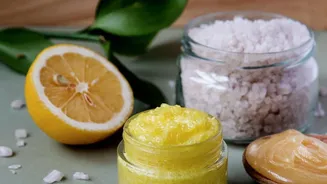
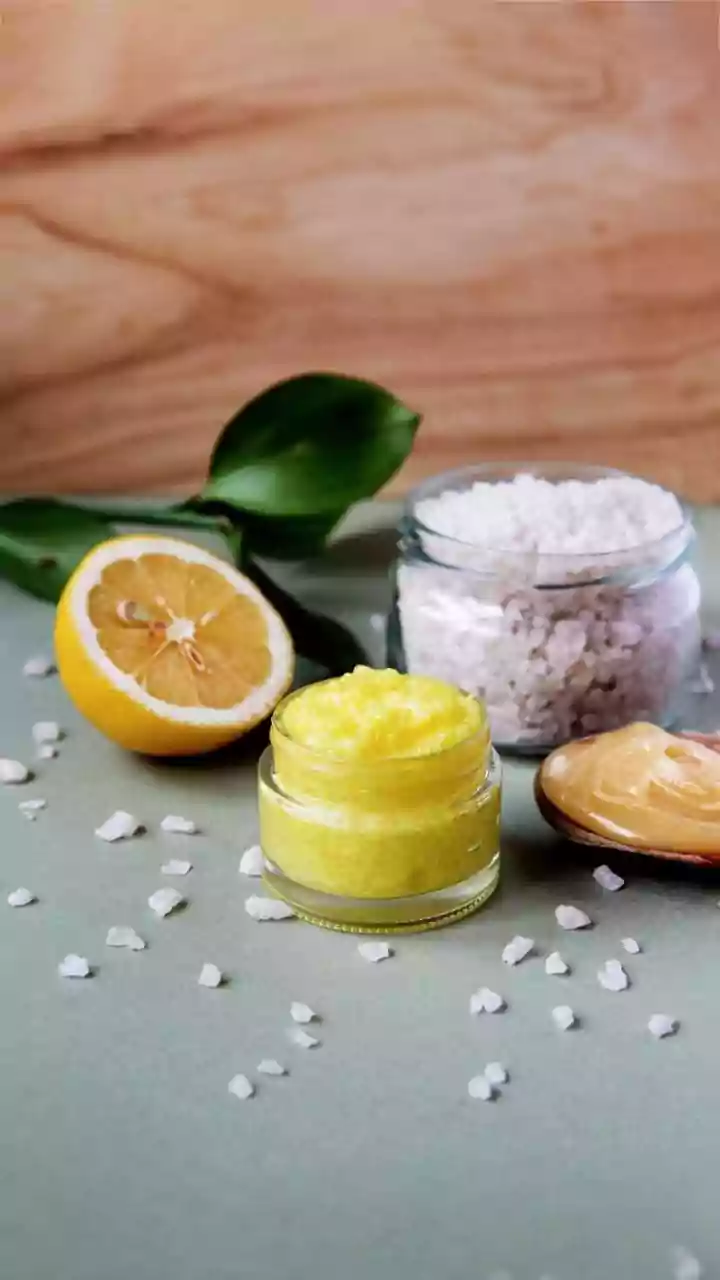
Lemon juice is often touted as a natural skin lightener due to its high concentration of citric acid, an AHA that can help fade dark spots. Honey is a natural humectant, meaning it draws moisture into the skin, and it possesses antibacterial properties that can calm inflammation. For this mask, mix one teaspoon of fresh lemon juice with two tablespoons of raw honey. Apply carefully to the face and leave on for no more than 10 minutes before rinsing thoroughly. The Caution: This is the riskiest ingredient on the list. Undiluted or improperly used lemon juice is highly acidic and can disrupt your skin's protective barrier, causing severe irritation. More dangerously, compounds in lemon juice called furocoumarins can cause a serious chemical burn known as phytophotodermatitis when skin is exposed to sunlight, leading to blisters and long-lasting hyperpigmentation. If you choose to use this mask, apply it only at night, rinse it off completely, and be diligent with sunscreen the next day.
3. The Papaya Enzyme Refresher
Papaya contains an enzyme called papain, which acts as a natural exfoliant. It works by breaking down the proteins that hold dead skin cells together, helping to slough them away and reveal a smoother, brighter complexion. It’s a gentle way to achieve the effects of exfoliation without harsh scrubbing. To create the mask, mash a few small pieces of ripe papaya into a smooth pulp. You can apply this directly to your face or mix it with a tablespoon of honey for added hydration. Leave it on for 15 minutes and rinse. The Caution: While gentler than many chemical exfoliants, the papain enzyme can still be potent. Some studies have shown it can disrupt the skin's barrier and cause allergic reactions, especially in those with sensitive skin. If you feel any tingling or stinging, wash the mask off immediately. A patch test is highly recommended.
4. The Sandalwood (Chandan) Soother
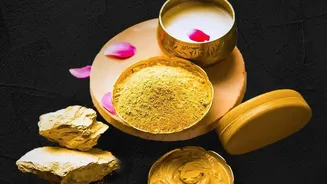
A cornerstone of Ayurvedic skincare, sandalwood (chandan) is praised for its cooling and skin-brightening abilities. Its active compound, alpha-santalol, is believed to inhibit the enzyme responsible for melanin production, helping to gradually fade dark spots and even out skin tone. It also has anti-inflammatory properties that can soothe irritated skin. Mix one tablespoon of pure sandalwood powder with enough rose water or milk to form a creamy paste. Apply to the face and neck, let it dry for about 15-20 minutes, and then rinse off. The Caution: The biggest concern with sandalwood powder is its purity. Adulterated products can contain synthetic dyes or other additives that may irritate the skin. Always purchase from a reputable source. Sandalwood can also be drying for some skin types, so it's wise to follow up with a good moisturizer. While generally considered non-irritating, skin reactions are still possible.
5. The Manuka Honey Healer
While regular honey is great, Manuka honey is a powerhouse. It has stronger antibacterial and anti-inflammatory properties due to a compound called methylglyoxal (MGO). These properties help in healing, reducing redness, and improving the appearance of post-acne marks. Its natural enzymes also provide gentle exfoliation, contributing to a brighter complexion over time. Simply apply a thin layer of high-quality Manuka honey directly onto clean, damp skin. Let it sit for 20 minutes before rinsing with warm water. The Caution: Ensure you are using genuine Manuka honey, as its potency is measured by a UMF (Unique Manuka Factor) or MGO rating. People with allergies to bees or pollen should avoid this mask. Though it's typically very gentle, it’s always a good practice to patch test any new product.
6. The Oatmeal Calming Mask
Oatmeal is less of a direct brightener and more of a supportive player that enables healthy, radiant skin. It's incredibly soothing and contains compounds that reduce inflammation and redness. It also acts as a very gentle exfoliant and helps strengthen the skin's barrier, which is essential for an even, glowing tone. It's perfect for calming skin that's been irritated by other products or environmental factors. Grind half a cup of plain, uncooked oats into a fine powder using a blender. Mix with a few tablespoons of warm water or milk until you form a paste. Apply to the face, leave on for 10-15 minutes, and rinse. The Caution: There are very few risks associated with oatmeal, making it ideal for sensitive skin. However, ensure the oats are finely ground to avoid a coarse, abrasive texture that could cause micro-tears in the skin. Also, use plain oats without any added sugars or flavorings.
7. The Full-Fat Yogurt Exfoliator
Plain yogurt is a fantastic source of lactic acid, a gentle AHA that dissolves dead skin cells, improves skin texture, and helps fade hyperpigmentation. It also contains fats and proteins that moisturize and hydrate the skin, leaving it feeling soft and looking luminous. The probiotics in yogurt can also help support the skin's natural barrier. Apply a few tablespoons of plain, full-fat, unsweetened yogurt directly to your clean face. Let it sit for about 20 minutes, allowing the lactic acid to work its magic, then rinse with cool water. The Caution: While lactic acid is one of the gentler AHAs, it can still cause irritation for those with very sensitive skin. If you have a dairy allergy, do not apply yogurt topically. Always choose plain, unflavored, and unsweetened yogurt to avoid putting unnecessary sugars and additives on your skin.