







Philosophy of Movement: Internal vs. External
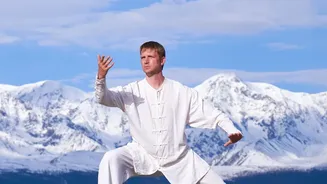
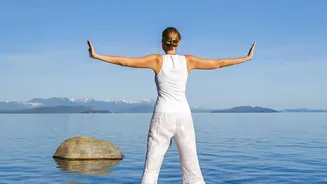
At their core, Tai Chi and kayaking operate on different philosophies. Tai Chi is often described as 'meditation in motion'. It is an internal practice focused on slow, flowing sequences, coordinating breath with gentle movements to cultivate balance
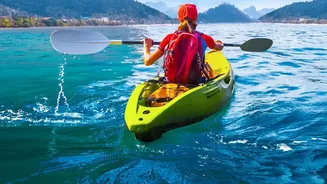
and internal energy, or 'Qi'. The goal is mindfulness and precise, controlled posture. Kayaking, on the other hand, is an external activity that connects you with your environment. The rhythmic motion of paddling across water offers its own meditative quality, but the focus is on navigating and responding to the external world—the water, the wind, and the scenery. It is about propulsion and exploration.
Core Strength and Full-Body Workout
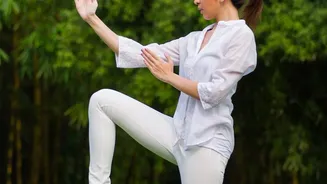
Both activities are excellent for building core strength, but they do it in unique ways. In kayaking, your core is constantly engaged to maintain balance and transfer power from your torso rotation into each paddle stroke. It's a full-body workout that particularly strengthens the back, shoulders, arms, and chest. Tai Chi builds core stability through slow, deliberate weight shifts and maintaining an upright, aligned posture. While it appears less strenuous, the sustained control required to move from one posture to the next engages deep stabilizing muscles throughout the trunk and lower body, significantly improving balance.
Joint-Friendly Gradual Movements
This is where both practices shine for beginners. Tai Chi is exceptionally low-impact, with its circular, gentle motions designed to reduce stiffness and improve flexibility without straining joints. Studies have shown it can significantly reduce pain for those with arthritis. The movements are learned gradually, allowing beginners to start with a small, comfortable range of motion. Kayaking is also a low-impact activity, as the water supports your body, preventing the jarring stress on knees and hips associated with exercises like running. For beginners, starting on calm water with short trips allows for a gradual increase in duration and intensity as strength and endurance build.
Mental Benefits and Stress Reduction
While both activities are lauded for their mental health benefits, they offer different avenues to tranquility. Tai Chi's focus on deep breathing and mindful concentration actively calms the nervous system, making it a powerful tool for stress and anxiety reduction. The practice trains the mind to be present and calm. Kayaking provides mental relaxation through immersion in nature and the rhythmic, repetitive motion of paddling. Being on the water, away from daily distractions, can create a profound sense of peace and well-being, helping to clear the mind.
Accessibility, Cost, and Equipment
In terms of accessibility, Tai Chi is the clear winner. It requires no special equipment, can be practiced in a small space, and has a very low risk of injury for beginners. You can start learning from online videos or find a local class. Kayaking involves a higher barrier to entry. It requires access to a body of water, and you'll need a kayak, a paddle, and a personal flotation device (PFD), which is non-negotiable for safety. While renting equipment is a great way to start, purchasing your own can be a significant investment.