





An Ancient Staple with Modern Appeal
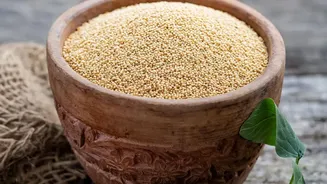
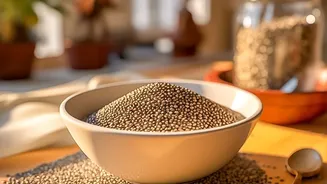
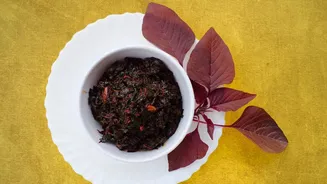
Amaranth is not a new discovery; it's a pseudocereal that has been cultivated for thousands of years, including in India. Often called rajgira or ramdana, these tiny seeds have long been used in fasting recipes and traditional sweets. While it is cooked
and used like a grain, amaranth is naturally gluten-free and belongs to the same family as spinach and beets. Its resurgence in modern kitchens is thanks to an impressive nutritional profile that stands out even among other healthy grains. It offers a unique combination of plant-based protein, fibre, and essential minerals, making it a powerful ingredient for anyone looking to enhance their daily diet.
The Nutritional Case for Bone Health
When it comes to bone health, calcium is the first nutrient that comes to mind. Amaranth provides a good measure of it, making it a valuable plant-based source. But strong bones require more than just calcium. Amaranth delivers a powerful combination of minerals essential for bone structure and maintenance. It is exceptionally rich in magnesium, which is crucial for calcium absorption and bone formation. One cooked cup provides a significant portion of your daily magnesium needs. It is also an excellent source of phosphorus, another key mineral that makes up bone, and manganese, which supports the bone formation process.
More Than Just Minerals
Beyond its mineral content, amaranth offers other benefits for bone support. It is a source of high-quality, complete protein, containing all essential amino acids, including lysine, which is often lacking in other grains. Protein is a critical component of bone tissue and helps build muscle mass, which supports skeletal strength. Furthermore, some studies suggest amaranth possesses anti-inflammatory properties. Chronic inflammation is increasingly seen as a factor that can contribute to bone loss over time, so foods that help manage inflammation may offer indirect benefits for bone health.
Amaranth vs. Other Breakfast Grains
How does an amaranth porridge stack up against a classic bowl of oatmeal? While both are healthy choices, their nutritional profiles differ. Amaranth generally contains more protein than oats. It also boasts higher levels of key bone-supporting minerals like magnesium, phosphorus, and potassium. Oats are well-regarded for their soluble fibre content, but amaranth also provides a good amount of fibre to support digestion and promote feelings of fullness. For those seeking a gluten-free option with a slightly higher concentration of protein and minerals, amaranth makes an excellent alternative to start the day.
Simple Ways to Start Your Day with Amaranth
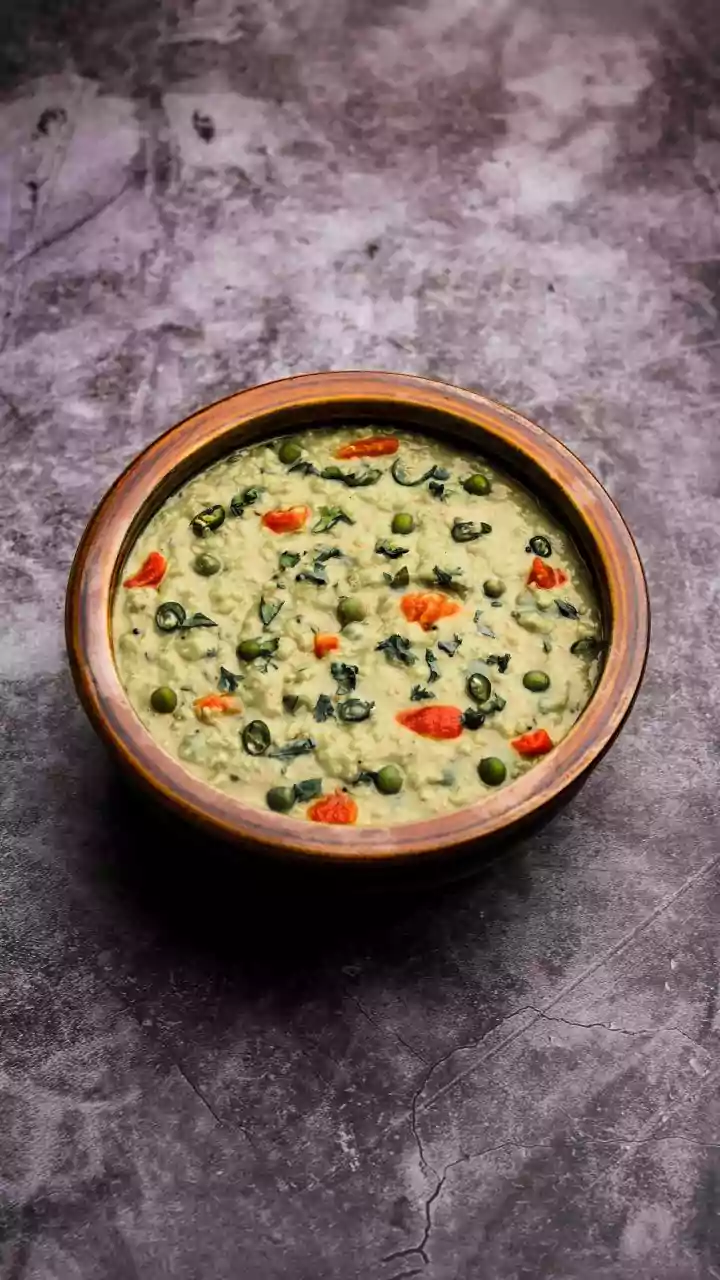
Incorporating amaranth into your breakfast is simple. The most common method is to cook it into a porridge. Use a ratio of about one part amaranth to two-and-a-half or three parts water or milk, and simmer until it becomes creamy, which takes about 20-25 minutes. You can then top it with fruit, nuts, and seeds, just like you would with oatmeal. For a quicker option, add puffed amaranth to smoothies, yogurt bowls, or even sprinkle it over toast with nut butter for extra crunch. You can also make savory breakfast bowls by pairing cooked amaranth with sautéed greens, avocado, and a fried egg.