







1. Manage Your Textiles and Surfaces
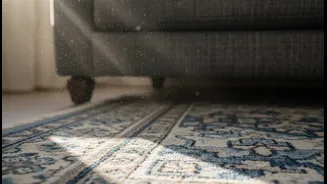
Much of the dust in our homes is made up of tiny fibres from clothes, upholstery, carpets, and curtains. Add to that the dead skin cells that we and our pets shed, and you have a constant source of dust. One of the most effective habits is to manage these
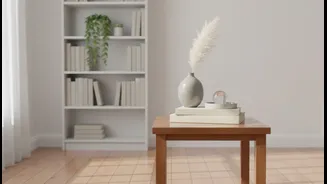
sources proactively. Start by decluttering surfaces; fewer knick-knacks mean fewer places for dust to settle. Consider swapping heavy, hard-to-clean drapes for washable curtains or blinds that can be easily wiped down. Regularly wash throw blankets and cushion covers, as these are major dust traps. For bedding, a weekly wash in hot water is recommended to control dust mites, which thrive in these environments. By reducing the number of dust-collecting items, you simplify your cleaning routine and lower the overall dust load in your home.
2. Prioritise Your Indoor Air Quality
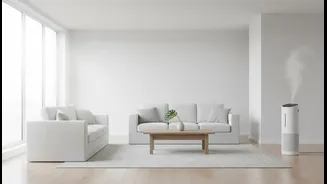
What you can't see can certainly contribute to the dust you can. Airborne particles are a huge component of the problem. Your home’s heating, ventilation, and air conditioning (HVAC) system is your first line of defence. Make it a habit to check your air filters monthly and replace them regularly. For superior dust capture, consider upgrading to a filter with a higher MERV (Minimum Efficiency Reporting Value) rating, such as MERV 8 or higher, which are designed to trap smaller particles like dust mite debris and pollen. To supplement your HVAC system, running an air purifier with a True HEPA filter in high-traffic areas or bedrooms can continuously capture airborne dust before it has a chance to settle on your furniture. These devices are particularly effective at removing microscopic particles that regular dusting can miss.
3. Clean from the Top Down
This may sound simple, but adopting a top-to-bottom cleaning method is a game-changing habit. Dust is subject to gravity. When you clean a low surface first, like a coffee table, and then move to a higher one, like a ceiling fan or bookshelf, you inevitably knock dust down onto the area you just cleaned. By reversing the order, you work with gravity, not against it. Start by dusting the highest points in a room—think ceiling fans, light fixtures, the tops of cabinets, and picture frames. Work your way down to furniture, windowsills, and baseboards. Save vacuuming and mopping the floor for the very last step. This ensures that you are capturing all the dislodged dust in one final swoop, preventing you from having to clean surfaces twice.
4. Use Tools That Trap, Not Spread
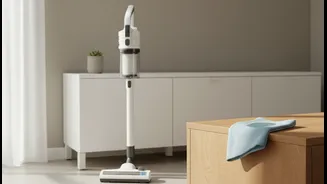
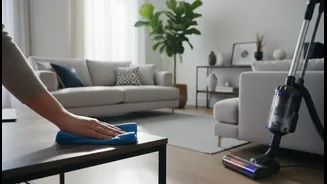
The tools you use are just as important as the act of cleaning itself. A traditional feather duster might look the part, but it often does little more than flick dust particles into the air, only for them to resettle elsewhere. The habit to adopt here is using tools that trap dust. A damp cloth or a microfiber duster is far more effective because the moisture and fine fibres capture and hold onto dust particles. Similarly, when you vacuum, ensure your machine is equipped with a HEPA filter. Vacuums without proper filtration can suck up dust from the carpet only to exhaust the smallest, most irritating particles right back into the air. A HEPA filter traps these microscopic allergens, ensuring that when you vacuum, you’re actually removing dust from the room.
5. Fortify Your Home’s Entry Points
A surprising amount of dust, estimated to be around 60%, originates from outside, brought in on shoes, clothing, and through open doors and windows. A simple yet powerful habit is to strengthen your home's defences at these entry points. Place high-quality doormats both outside and inside every exterior door to trap dirt, pollen, and other particles before they can be tracked through the house. Another habit is to adopt a no-shoes-in-the-house policy, which can dramatically reduce the amount of soil and pollutants entering your living space. Finally, be strategic about when you open your windows. While fresh air is great, on windy or high-pollen days, it might be better to keep them closed and rely on your air conditioning or purifier to circulate clean air.