


The Secret is the Liner
The biggest challenge in using a natural fiber basket for a plant is water. Without protection, the basket will quickly rot and leak. The simplest designer trick is to keep your plant in its original plastic nursery pot. Place a plastic saucer or drip
tray in the bottom of the basket, then simply drop the potted plant inside. This method, often called a 'cachepot,' lets you easily remove the plant for watering, preventing any sogginess. For a more permanent solution, you can line the basket. A heavy-duty plastic liner, like a section cut from a durable trash bag or a purpose-made planter liner, is essential. Some designers even use a waterproof spray like Thompson's WaterSeal on the basket's exterior and interior before adding a liner for maximum protection.
Choose the Right Basket and Plant Pairing
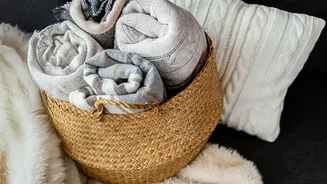
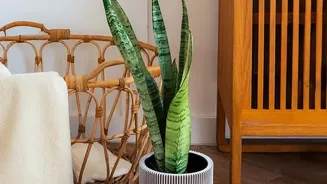
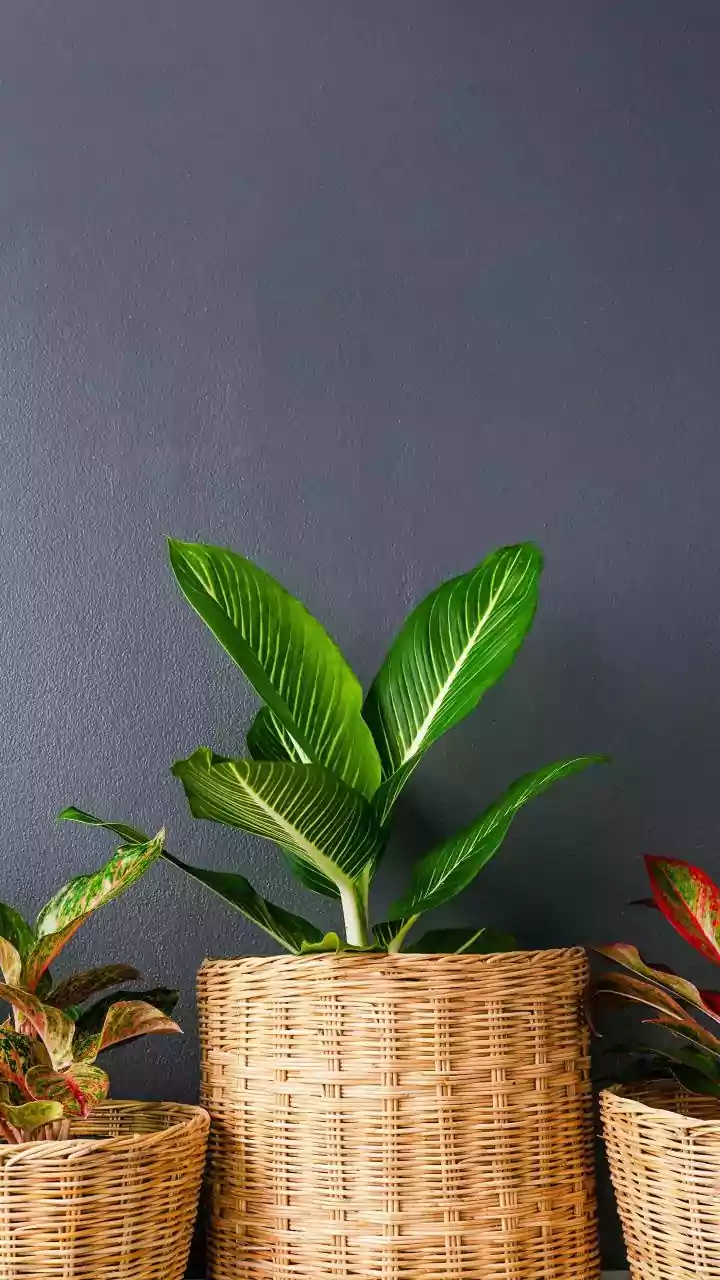
Not all baskets are created equal. For a large floor plant like a Fiddle Leaf Fig or an Olive Tree, you'll need a sturdy, roomy basket with a strong weave. Materials like seagrass, rattan, and water hyacinth are not only durable but also offer different textures that can complement your decor. When choosing a plant, consider its needs. A plant that is already in a simple pot is the easiest to work with. Trailing plants such as Golden Pothos, String of Pearls, or English Ivy look stunning as their vines cascade over the woven edges. For a more upright look, a Snake Plant or ZZ plant is a hardy, low-maintenance choice that pairs well with the natural look of a basket.
Play With Scale and Placement
Using baskets of varying sizes is a key design principle. A single, oversized basket holding a tall tree can anchor a corner of your living room, creating a powerful focal point. Don't be afraid to think beyond the floor. Smaller baskets can be used to bring life to bookshelves, desks, or console tables. Grouping baskets together can create a beautiful, layered display. Try clustering three baskets of different heights and textures in an empty corner or near a sunny window. This creates more visual interest than a single, isolated planter. You can mix and match basket styles, but keeping them within a similar colour palette—like various shades of tan and brown—will ensure the arrangement feels cohesive rather than cluttered.
Create a Hanging Masterpiece
Hanging planters add dimension to a room by drawing the eye upward. Many baskets come with built-in handles that are perfect for this purpose. You can easily loop a sturdy rope or leather strap through the handles to hang it from a ceiling hook. Lightweight trailing plants are ideal for this application. A Pilea glauca, with its delicate, silvery-green leaves, or a classic Spider Plant can create an ethereal, cascading effect. When creating a hanging basket planter, ensure your lining is secure and lightweight, as the entire assembly can become heavy, especially after watering. A coco fiber liner is a great option for hanging baskets as it provides good drainage and aeration.
Beyond the Living Plant
If you're not blessed with a green thumb, you can still get the look. High-quality faux plants, like olive trees, are often styled in baskets by designers to add maintenance-free greenery to a space. You can also use baskets to display dried arrangements. A tall basket filled with dried pampas grass, eucalyptus stems, or other long-lasting botanicals can add texture and a rustic, organic feel to your decor. This is a wonderful way to bring natural elements into your home without worrying about watering schedules or light conditions. For a festive touch, you can even change out the contents seasonally, using pinecones in the winter or dried lavender in the summer.