





What Exactly Is Rooibos?
Despite its common nickname 'red tea', rooibos is not a true tea at all. It doesn't come from the Camellia sinensis plant that gives us black and green tea. Instead, it’s an herbal infusion made from the leaves of Aspalathus linearis, a shrub that grows
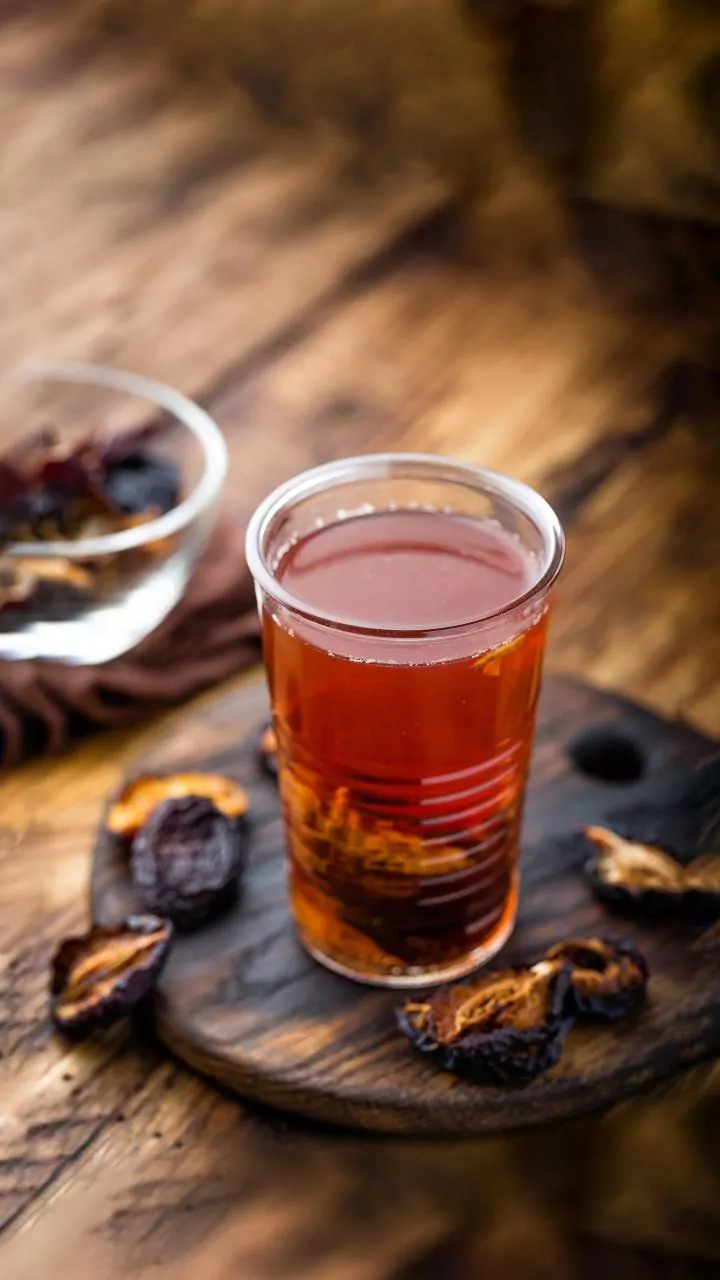
exclusively in the Cederberg mountains of South Africa. The name, pronounced 'roy-boss', means 'red bush' in Afrikaans. For centuries, the indigenous Khoisan people of the region harvested the wild plant for its perceived medicinal qualities. The traditional method involves fermenting the leaves, which gives the brew its signature deep red-brown colour and enhances its earthy, naturally sweet flavour. There is also a green, unfermented version which is less common but contains even more antioxidants.
The Caffeine-Free Advantage
One of the most celebrated qualities of rooibos is that it is entirely, naturally caffeine-free. Unlike decaffeinated black tea, the rooibos plant has no caffeine in its genetic makeup. This makes it an excellent choice for anyone looking to reduce their caffeine intake, including pregnant women or those sensitive to stimulants. You can enjoy a warm cup in the evening as part of a relaxing bedtime ritual without worrying about it disrupting your sleep. It’s also low in tannins, the compounds that can sometimes give black tea a bitter taste and, in high amounts, may interfere with the body's absorption of nutrients like iron.
A Unique Powerhouse of Antioxidants
The health buzz around rooibos is largely due to its rich and unique blend of antioxidants. These compounds help protect the body against damage from free radicals, which are unstable molecules linked to chronic diseases. Rooibos contains several powerful flavonoids, including quercetin and luteolin. But its most notable antioxidant is aspalathin, a compound found only in the rooibos plant. Research suggests these antioxidants may play a role in reducing inflammation and protecting cells from damage. While more human studies are needed to confirm the full extent of its benefits, the antioxidant profile of rooibos is a key reason for its growing reputation as a healthy beverage.
Potential Benefits for Heart Health and More
Ongoing research highlights several other promising areas where rooibos may offer support. Studies suggest that regular consumption may contribute to heart health by helping to improve blood pressure and cholesterol levels. The antioxidants in rooibos may help relax blood vessels and have been linked in some studies to a reduction in 'bad' LDL cholesterol and an increase in 'good' HDL cholesterol. Additionally, the unique antioxidant aspalathin is being studied for its potential role in helping to manage blood sugar levels, making it of interest for those with type 2 diabetes. Again, while these findings are promising, rooibos should be seen as a supportive part of a healthy lifestyle, not a cure.
Are There Any Downsides?
For the vast majority of people, rooibos is considered very safe to drink daily. Side effects are extremely rare and have typically been linked to consuming very large quantities. In a few documented cases, excessive intake was associated with an increase in liver enzymes, so individuals with pre-existing liver conditions should consult a doctor before making it a regular habit. Some compounds in rooibos may also interact with certain medications, including those for blood pressure and cholesterol, or with hormone therapies, so it's always wise to speak with a healthcare provider if you have underlying health concerns.
How to Brew the Perfect Cup
Brewing rooibos is simple and forgiving. Unlike many teas, it doesn't become bitter if you steep it for a long time. For a hot brew, use one to two teaspoons of loose-leaf rooibos or one teabag per cup. Bring fresh water to a full boil (about 100°C) and pour it over the leaves. Let it steep for at least 5 to 7 minutes to draw out its full, rich flavour, though you can leave it for 10 minutes or more if you prefer a stronger brew. It can be enjoyed plain, where its natural sweetness shines, or with a splash of milk and a bit of honey or sugar. It also makes a fantastic, refreshing iced tea.