






Why Your Vegetable Bill Is Growing
If your trips to the vegetable market are becoming more expensive, you are not alone. Food inflation has been a persistent concern, with recent data from July 2026 showing a significant spike. Prices for everyday essentials like onions, tomatoes, and
ginger have seen sharp increases. This surge is largely due to a combination of factors, including intense summer heatwaves and an uneven monsoon, which have disrupted crop supplies across the country. Reports indicate that food inflation climbed to 5.32% in June 2026, pushing overall retail inflation to an 18-month high and putting a noticeable strain on household budgets. While these economic trends are beyond our individual control, how we respond in our own kitchens is not.
The Smart Swap: Tomatoes
Tomatoes form the base of countless Indian curries, but when prices soar, they can become a luxury. Thankfully, several alternatives can replicate their essential tangy and thickening properties. For sourness (khattaas), tamarind paste is an excellent and traditional substitute. A small amount dissolved in warm water can provide the acidic kick you need. Another great option is plain yogurt (dahi), which adds both tartness and a creamy texture to gravies; just be sure to add it towards the end of cooking on low heat to prevent curdling. For creating a thick base, pureed pumpkin or even bottle gourd (lauki) can work wonders. In some dishes, aamchoor (dry mango powder) can be sprinkled in to provide a fruity tartness without adding liquid.
Affordable Alternatives for Onions and More
Onions have also seen a steep price rise of nearly 25% in recent months. While it's hard to completely replace their unique pungent flavour, you can stretch your supply by using less onion and more of other aromatics like ginger and garlic. In some recipes, the white part of spring onions or even finely chopped cabbage can provide a milder base. When it comes to other pricey vegetables, think about texture and function. Instead of expensive bell peppers (shimla mirch), try using Bhavnagri chillies, which offer a similar crunch with less heat. If broccoli is out of budget, cauliflower offers a similar floret structure and works beautifully in Indian preparations. Don't be afraid to experiment with the vast family of gourds; ridge gourd (turai) and bottle gourd can often be used interchangeably.
Embrace Local and Leafy Greens
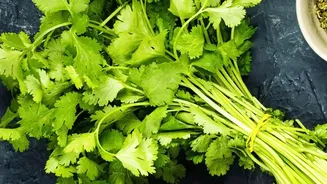
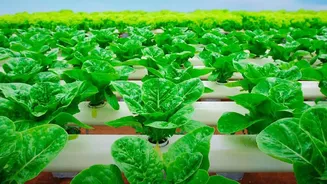
Often, the most affordable vegetables are the ones grown locally that don't always get the spotlight. Instead of reaching for spinach (paalak) every time, explore other leafy greens. Amaranth leaves (chaulai saag), fenugreek leaves (methi), and purslane (kulfa) are not only cost-effective but also packed with nutrients like iron, calcium, and essential vitamins. These can be used in dals, sabzis, and parathas just as you would use spinach. Exploring these lesser-known greens can introduce new flavours and textures to your meals. Many of these local vegetables are nutritional powerhouses, ensuring that saving money doesn't mean sacrificing health.