


The All-Important Weight Test
The core principle is simple: a heavier lychee is almost always a juicier lychee. This is because the fruit is made up of about 82% water, and that water content translates directly to the luscious, refreshing burst of flavour you're looking for. When
you're at the market, pick up a few lychees of similar size. The ones that feel surprisingly dense and heavy for their size are packed with more pulp and juice. A lightweight fruit, by contrast, is often an early sign that it has started to dry out, and its flesh will likely be less succulent.
Look for Vibrant, Consistent Colour
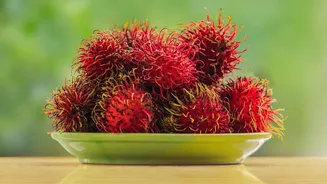
A ripe lychee signals its readiness through its colour. For most common varieties in India, like the Shahi or Bombai, you should look for a vibrant, bright pinkish-red skin. Some varieties may naturally have a more orange or yellowish tint, but the key is a lively, consistent colour. Avoid lychees that are predominantly green, as they are likely underripe and will not ripen further once picked from the tree. On the other end, while some browning can occur naturally after harvesting, excessive brown patches or a dull, dark appearance can indicate the fruit is old or starting to spoil.
Feel for a Firm but Springy Texture
Gently press the lychee with your thumb. A perfectly ripe fruit should feel firm but have a slight give, similar to a ripe avocado. It should feel full and spring back a little. If it's rock hard, it’s likely not ready. Conversely, if your finger sinks in easily, the fruit is overripe, mushy, and possibly starting to ferment. You should also avoid any lychees with cracked, punctured, or leaking skins, as these are signs of spoilage and can quickly affect the rest of the bunch.
Trust Your Nose: The Scent of Sweetness
A good lychee should have a subtle, sweet, and floral fragrance. This delicate aroma is a strong indicator of its freshness and flavour profile, often described as a mix of rose, pear, and watermelon. If you bring a handful of lychees closer and detect a sour, acidic, or fermented smell, it’s a clear sign that they have gone bad. A fresh, pleasant scent promises a delicious experience, while an 'off' smell means you should move on to the next batch.
Storing Your Perfect Picks for Lasting Freshness
Once you've brought your carefully selected lychees home, proper storage is crucial. Do not wash them until you are ready to eat, as excess moisture can speed up spoilage. The best way to preserve their freshness is to place them in a perforated plastic bag or a container lined with a paper towel and store them in the refrigerator. This method helps maintain humidity while allowing some airflow, preventing the skin from browning too quickly and keeping the fruit juicy for up to a week. Left at room temperature, even the best lychees will only last for two to three days.