





The Science of Volume
At its core, a layered haircut involves cutting hair so that it falls at different lengths. This technique is a rebellion against flatness. By removing weight from certain sections, shorter layers are free to lift at the root and create body, while longer
layers underneath preserve the overall length. The result is hair that feels lighter and has more movement and dimension. For those with fine hair that tends to fall flat, layers can introduce much-needed texture. For those with thick, heavy hair, layers can remove bulk, preventing the dreaded 'triangle' shape where hair becomes wide at the bottom.
Layers for Straight Hair
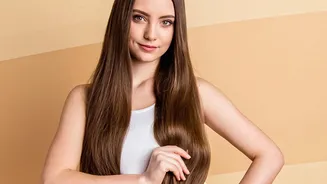
Straight hair often struggles with a lack of volume and can appear lifeless. Layers are an excellent way to introduce movement and the illusion of thickness. Softer, blended layers can create a seamless shape that adds body without looking choppy. For a more modern and textured look, styles like the shag or even 'invisible' internal layers can remove weight from within the hair, allowing it to move more freely while keeping a sharp perimeter. Even subtle, face-framing layers starting around the cheekbones or jaw can add dimension and draw attention to your features.
Enhancing Wavy Hair
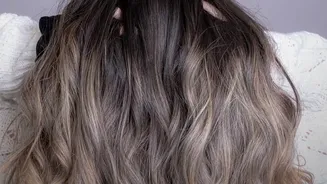
For wavy hair, layers are a game-changer. They work with your hair's natural bend, enhancing the wave pattern instead of fighting against it. Without layers, wavy hair can become heavy, pulling the waves down and creating flatness at the crown. Strategic layering allows the waves to spring up, creating a more defined and bouncy texture. Popular styles like the 'wolf cut' or a layered lob (long bob) use choppy layers to create a beautifully undone, voluminous look that requires minimal styling. The key is to remove weight in the right places, allowing each wave the space it needs to form.
Defining Curly Hair
Curly hair requires layers to achieve its full potential. A one-length cut can cause curls to become weighed down, resulting in flat roots and an undefined shape. Layers are essential for distributing volume evenly, giving each curl space to form its natural pattern without being stretched out. This not only enhances definition and reduces frizz but also makes the hair feel lighter and more manageable. Whether you opt for long layers to maintain length or short layers to create a rounded, voluminous silhouette, the technique is crucial for giving curls life and movement.
How to Ask for the Right Layers
Clear communication with your stylist is the key to getting the haircut you want. Instead of simply asking for 'layers', be specific. Bringing inspiration photos of people with a similar hair texture to yours is incredibly helpful. Point out what you like—whether it's the face-framing pieces, the volume at the crown, or the soft, blended ends. Use descriptive words. For example, you might say, "I want long, blended layers that add movement but keep my ends looking full," or "I'd like to remove some weight with internal layers, but I don't want a visibly layered look." Discussing your daily styling routine will also help your stylist tailor the cut to your lifestyle.