





The Mystique of the Mountain Ghost
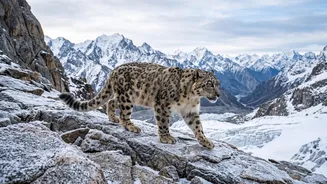
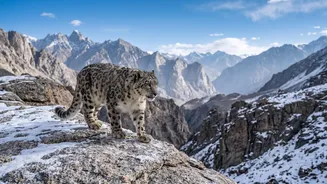
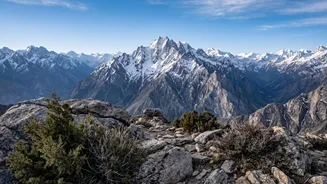
The snow leopard, or 'Shan' as it's known in Ladakhi, is one of the world's most elusive predators. Perfectly camouflaged against the rugged, snow-dusted terrain of the Himalayas, it reigns over a vast, challenging kingdom. Seeing one in the wild is the ultimate
goal for many wildlife enthusiasts. For years, this remained a near-impossible dream. But today, carefully managed expeditions into its territory are turning that dream into a possibility, offering a profound connection to a fragile ecosystem and the communities that coexist with this magnificent cat.
Planning Your Expedition: When and Where
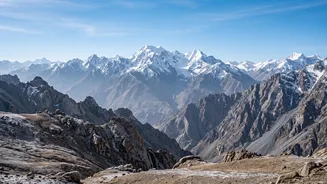
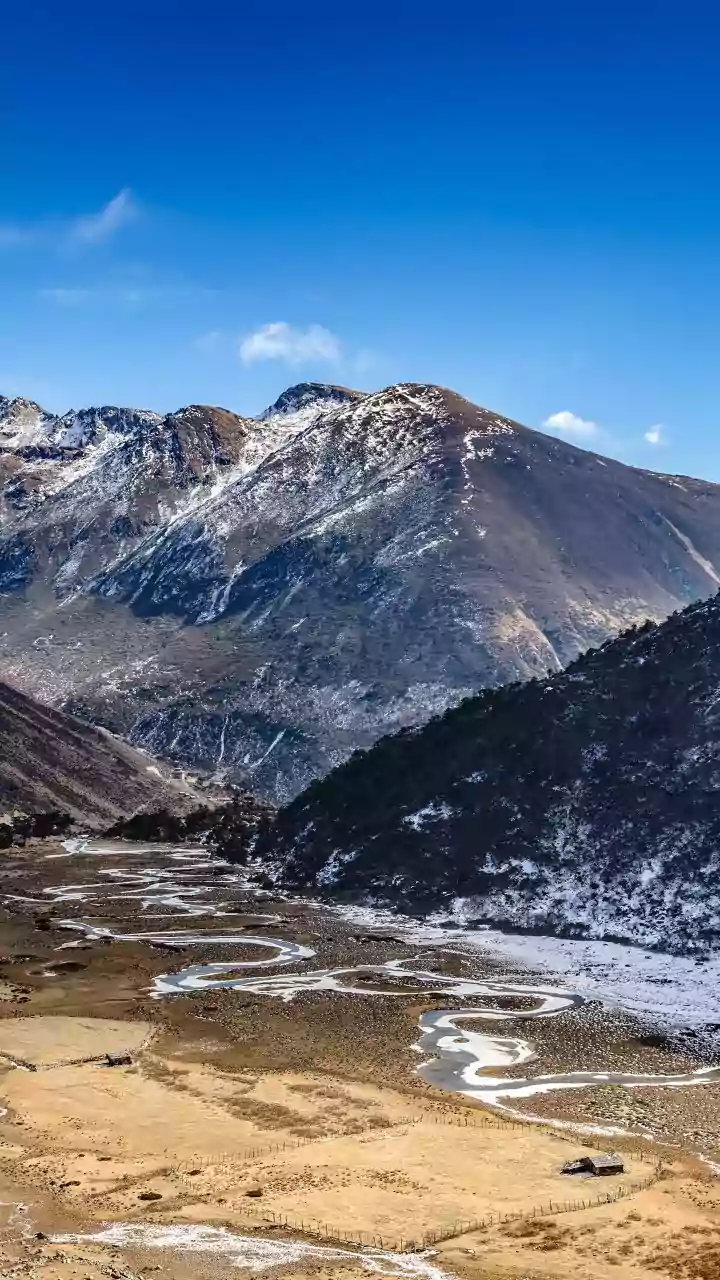
The prime season for a snow leopard safari is during the harsh winter, from November to March. During these months, the snow leopard's primary prey, such as the bharal (blue sheep) and ibex, move down to lower altitudes in search of food. The leopards follow, bringing them into a more accessible range for tracking. The heart of this activity is Hemis National Park, a vast protected area with one of the highest densities of snow leopards in the world. Other promising locations include the Ulley and Rumbak Valleys, which have become hotspots for sightings. A typical expedition starts in Leh, where spending at least two to three days is crucial for acclimatising to the altitude, which hovers around 3,500 metres, before heading into even higher terrain.
The Core of Responsible Travel
What makes these safaris special is the focus on 'responsible tourism'. This isn't just a buzzword; it's a model that directly benefits local communities and conservation. For years, human-wildlife conflict was a major issue, as leopards would prey on local livestock. Pioneering organisations like the Snow Leopard Conservancy India Trust (SLC-IT) helped change this narrative by developing community-based tourism. Many tours now use a network of award-winning Himalayan Homestays, where travellers stay with local families. This provides families with an alternative income source, turning the snow leopard from a threat into a valuable asset worth protecting. A portion of tourism revenue often goes into community funds for conservation projects or to build predator-proof livestock corrals, further reducing conflict.
A Day on the Trail
Patience and perseverance are paramount on a snow leopard trek. Days start early, with expert local trackers—often villagers who have an intimate, generational knowledge of the landscape—scanning the ridges for any sign of movement. These trackers are the key to a successful trip, using their trained eyes to spot a flick of a tail or the subtle outline of a cat against the rocks. Treks can involve several hours of hiking in cold, rugged terrain, so a good level of physical fitness is essential. While the search for the 'shan' is the main objective, the journey offers sightings of other rare high-altitude wildlife, including Tibetan wolves, red foxes, and golden eagles, all set against the stark, breathtaking beauty of the Himalayan winter.
Managing Expectations and Altitude
While sightings have become more reliable, they are never guaranteed. The snow leopard’s camouflage is legendary, and the vastness of the terrain means luck plays a significant role. It is vital for travellers to understand that the trip is about the entire experience: the stunning landscapes, the unique Ladakhi culture experienced through homestays, and the knowledge that your visit is contributing to conservation. The other major challenge is the altitude. Acute Mountain Sickness (AMS) is a real risk. Proper acclimatisation in Leh is non-negotiable, and it's essential to stay hydrated, ascend slowly, and listen to your body and your guides. Tour operators are well-versed in managing these risks, but personal preparation and caution are key.