



The Foundation of Flavour
The journey to a sublime gravy begins not with cream, but with the humble onion and tomato. This duo forms the foundation of countless Indian curries, and in Malai Kofta, its preparation is everything. The key is to cook them slowly and patiently. Start
by sautéing finely chopped onions until they are translucent and sweet, not just softened. Then, add ginger, garlic, and tomatoes, and cook the mixture down. This slow-cooking process, known as 'bhunao', is essential. It involves roasting the masala until the raw smells disappear, the colour deepens, and you see a glossy sheen as the oil begins to separate from the paste. Rushing this step is a cardinal sin; a well-cooked base provides a depth of flavour and natural thickness that cream alone can never replicate.
The Real Secret to Creaminess
While 'malai' means cream, the true textural magic in this gravy comes from nuts. A generous portion of cashews, sometimes supplemented with almonds or melon seeds, is the real workhorse behind that luxurious, velvety feel. The nuts should be soaked in warm water or milk for at least 15-30 minutes to soften them before being blended into a super-fine paste. Some chefs even cook the cashews along with the onion-tomato mixture before blending everything together for an even smoother result. This nut paste doesn't just add richness; it acts as a powerful thickening agent, creating a body and consistency that is stable and won't thin out. This is the core technique that separates a passable gravy from a truly exceptional one.
Patience on a Low Flame
Once you've combined your beautifully cooked onion-tomato base with the fine-spun cashew paste, the next ingredient is time. This is where patience truly pays off. The gravy must be simmered gently on a low flame. This slow cooking allows the raw taste of the cashew paste to cook out completely, letting its nutty sweetness meld with the savoury base. You'll need to stir frequently to prevent the nut-based gravy from catching at the bottom of the pan. This stage can take 10-15 minutes, but it's non-negotiable. During this simmer, the gravy will thicken further and develop a complex, layered flavour profile. This is the moment when all the individual components harmonize into a single, cohesive sauce.
The Finishing Touch
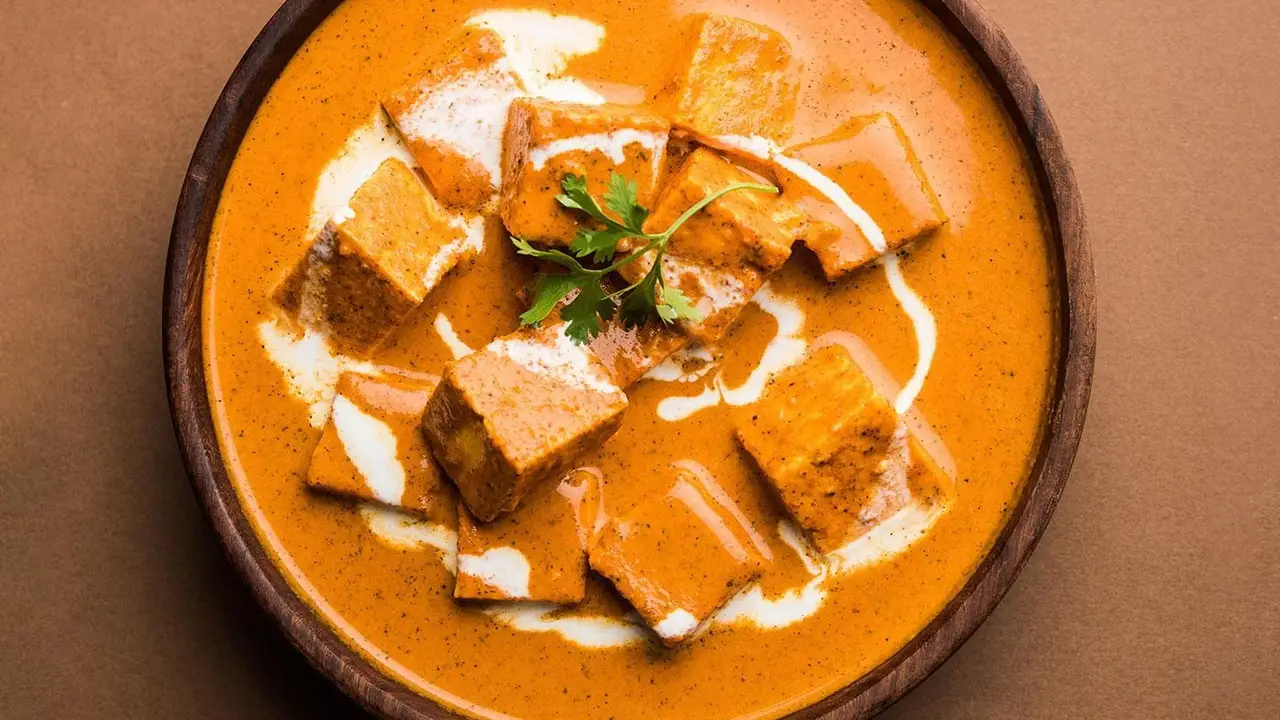
Only now, at the very end, do we talk about cream. Think of cream not as the primary source of creaminess, but as a final flourish for richness and a glossy finish. The heavy lifting has already been done by the patient cooking of the base and the emulsification of the nut paste. Just a few tablespoons of fresh cream should be stirred in right at the end, often after turning off the heat or keeping it on the lowest possible setting. This prevents the cream from splitting or curdling, which can happen if it's boiled aggressively. A final sprinkle of kasuri methi (dried fenugreek leaves), crushed between your palms to release its aroma, adds the final, signature touch to the gravy.